Buy Temporary Fence Ideas For Renters
Renters often need temporary fencing to define outdoor space, enhance privacy, secure pets, or comply with property rules without making permanent alterations. Unlike homeowners, renters face
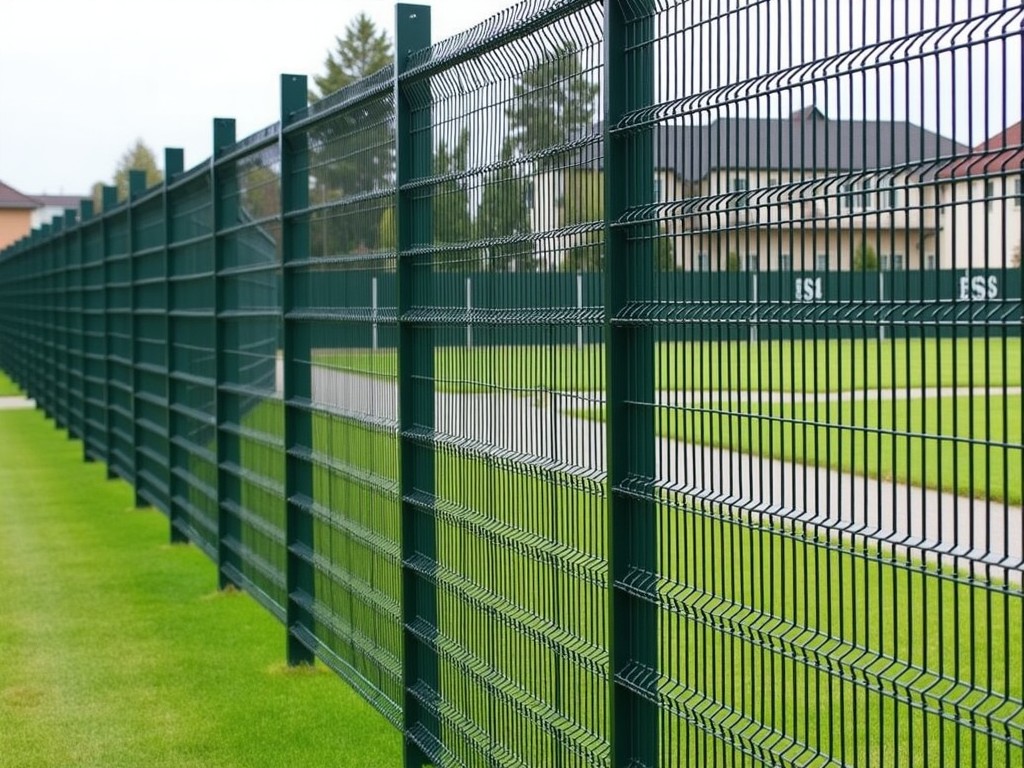
Temporary Fence Solutions for Renters: Practical Options and Considerations
Renters often need temporary fencing to define outdoor space, enhance privacy, secure pets, or comply with property rules without making permanent alterations. Unlike homeowners, renters face restrictions on drilling, digging, or modifying structures, which limits fence options to non-invasive, reusable systems. Understanding the trade-offs between stability, ease of installation, material durability, and compliance with lease agreements is essential before selecting a solution. This page outlines common temporary fence types suitable for rental properties, focusing on technical characteristics that impact real-world use.
Common Temporary Fence Types for Rental Use
Several fence systems are designed for short-term deployment without anchoring to the ground or damaging surfaces. Each type balances portability, wind resistance, and visual screening based on its structural design and materials.
- Freestanding panel systems: Interlocking vertical panels made from PVC, powder-coated steel, or wood-composite that stand via weighted bases or tension frames.
- Tension-based barriers: Fabric or mesh screens stretched between existing structures (e.g., railings, posts) using bungee cords or ratchet straps.
- Weighted barrier systems: Hollow plastic or metal bases filled with sand or water to stabilize upright posts supporting mesh or slat infill.
- Retractable screens: Roll-up mesh or vinyl panels housed in a cassette that deploy vertically and lock into a bottom rail.
Material Selection and Environmental Performance
Material choice affects longevity, maintenance, and suitability for specific climates. PVC panels resist moisture and UV degradation but may become brittle in prolonged freezing temperatures. Powder-coated steel offers high impact resistance but requires inspection for chip damage that could lead to rust. Wood-composite materials mimic wood appearance without splintering or rotting but can expand/contract with humidity changes. Fabric mesh (typically polyethylene or polyester) provides wind permeability, reducing load on supports, while solid vinyl slats offer maximum privacy but act as wind sails.
For coastal or high-wind areas, open-mesh designs reduce overturning moment. In sunny climates, UV-stabilized polymers prevent yellowing and embrittlement. Renters should verify that materials are free of hazardous substances (e.g., lead, phthalates) if children or pets are present, particularly with imported products.
Stability and Installation Mechanics
Stability depends on the center of gravity, base weight, and wind load distribution. Freestanding panels typically require bases weighing 15–25 kg per linear meter to resist tipping in 30–40 km/h winds, assuming a panel height of 90–120 cm. Water-filled bases offer adjustable weight but risk leakage or freezing in cold climates; sand-filled alternatives are heavier when dry but absorb moisture over time. Tension-based systems rely on existing structure integrity—railings must withstand lateral loads of 50–100 N without deformation.
Installation should avoid damaging surfaces. Non-marking rubber pads under bases prevent scratching on decks or patios. For railing-mounted systems, soft-loop straps or silicone-coated hooks protect finishes. Always consult lease agreements and property managers before installation, as some prohibit any external attachments or weight additions.
Comparison of Key System Attributes
| Attribute | Freestanding Panels | Tension-Based | Weighted Barriers | Retractable Screens |
|---|---|---|---|---|
| Typical Height Range | 90–180 cm | 100–200 cm | 120–150 cm | 100–180 cm |
| Wind Resistance (km/h) | 30–50 (with proper base) | Dependent on anchor points | 40–60 | 20–30 (retracted for storage) |
| Installation Time (per linear meter) | 5–10 min | 2–5 min | 8–15 min (filling bases) | 1–3 min |
| Surface Impact Risk | Low (with pads) | Very low | Low | None |
| Storage Volume | Moderate | Low | High (bases bulky) | Very low |
Lease Compliance and Property Manager Considerations
Before installing any temporary fence, renters must review lease clauses regarding alterations, exterior modifications, and liability. Many leases prohibit drilling, nailing, or attaching items to structural elements. Even non-invasive systems may be restricted if they obstruct walkways, violate aesthetic guidelines, or create safety hazards. Some properties require prior written approval and may impose weight limits on balconies or patios (commonly 20–40 kg per square meter). Documenting the installation date, method, and condition of surfaces beforehand helps avoid disputes over damage claims at move-out.
Transparent communication with property managers often yields better outcomes than seeking forgiveness later. Providing product specifications, installation method, and removal plan demonstrates responsibility. In cases where fencing is disallowed, alternatives like freestanding privacy planters or outdoor screens with planter bases may satisfy both privacy needs and lease terms.
Maintenance and Longevity Factors
Even temporary systems benefit from periodic inspection. PVC and metal components should be checked quarterly for cracks, warping, or corrosion, especially after extreme weather. Fabric mesh can accumulate dirt and mildew; cleaning with mild soap and water extends life. Bases filled with water require seasonal draining in freezing climates to prevent ice expansion damage. Sand-filled bases may leak over time due to abrasion; inspecting seals and replacing sand annually maintains weight stability.
UV exposure is the primary degradation factor for polymers. Products with certified UV stabilizers (e.g., ASTM G154 compliance) retain mechanical properties longer. When not in use, storing components indoors or under cover significantly extends service life. Proper disassembly and flat storage prevent warping or creasing in panel systems.
Selecting a temporary fence for rental use involves balancing practical constraints with functional needs. By focusing on material properties, installation mechanics, and lease compliance rather than marketing claims, renters can choose solutions that provide genuine value without risking deposits or violating agreements. The right system enhances outdoor usability while remaining fully reversible and low-impact.
For technical specifications, material data sheets, or lease-compliant configuration guidance, contact our team to discuss your specific requirements.
Request Technical Consultation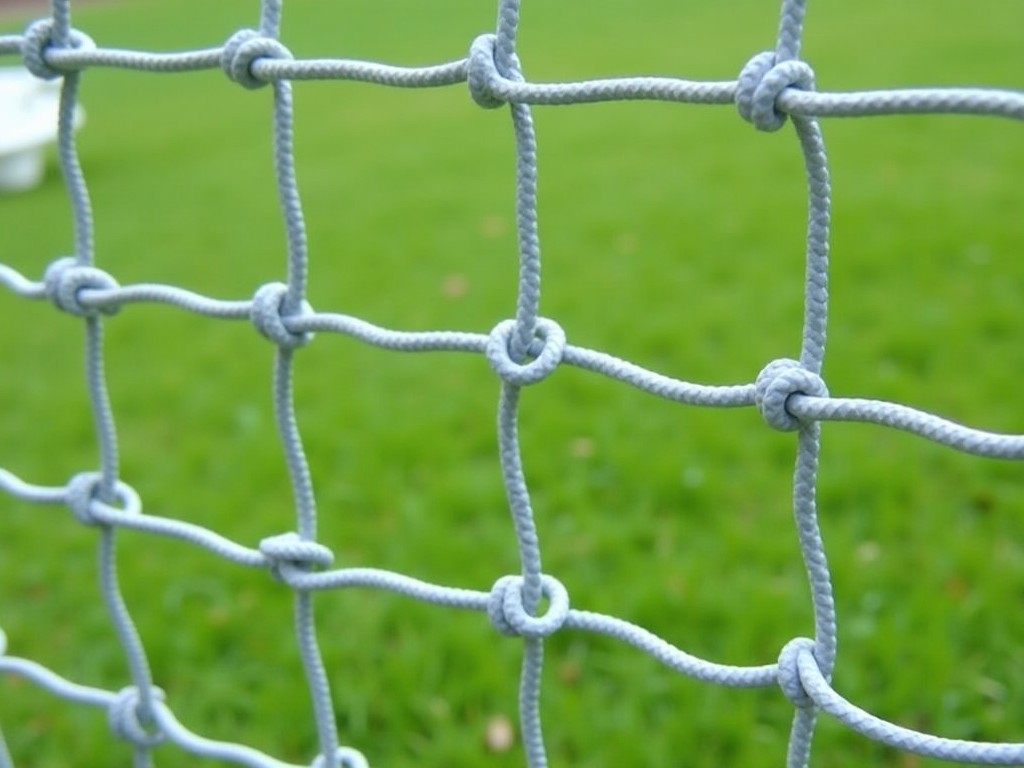
Product Categories


Send Inquiry
If you are interested in our products, leave your information here and we will be in touch shortly.