Buy Temporary High Visibility Fence
Temporary high visibility fence systems provide immediate, portable barriers for controlling pedestrian and vehicle traffic in dynamic work environments. Unlike permanent fencing, these systems are
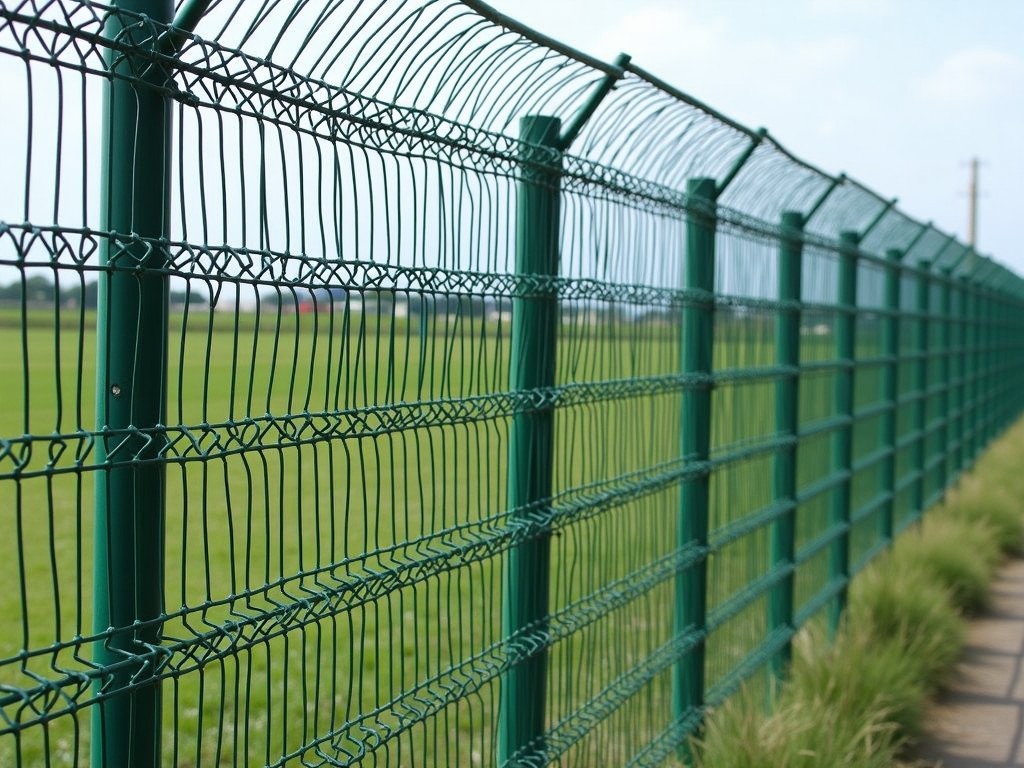
Temporary High Visibility Fence for Industrial Safety and Site Control
Temporary high visibility fence systems provide immediate, portable barriers for controlling pedestrian and vehicle traffic in dynamic work environments. Unlike permanent fencing, these systems are designed for rapid deployment, reconfiguration, and removal without damaging underlying surfaces. They combine structural integrity with high conspicuity to reduce accident risks in construction zones, utility work, event staging, and emergency response scenarios. Selection depends on material durability, visibility performance under varying light conditions, anchoring stability, and compliance with site-specific safety protocols.
Core Design Principles for Temporary Visibility Fencing
Effective temporary high visibility fencing relies on three interdependent factors: material reflectivity, structural rigidity, and anchoring effectiveness. The fence fabric must maintain minimum luminance contrast ratios under both daylight and artificial lighting, typically achieved through prismatic retro-reflective sheeting or fluorescent pigments compliant with ANSI/ISEA 107 standards. Structural members resist wind loads up to 30 mph without permanent deformation, using tubular steel or reinforced polymer frames with UV-stabilized coatings. Anchoring systems—whether weighted bases, ground spikes, or sandbags—must prevent lateral displacement exceeding 2 inches under specified force thresholds to maintain barrier integrity.
Visibility performance degrades with dirt accumulation, UV exposure, and mechanical abrasion; therefore, surface treatments include anti-static coatings to reduce particulate adhesion and UV inhibitors extending service life to 6–12 months under continuous outdoor exposure. Frame designs incorporate sacrificial elements that yield predictably under impact, absorbing kinetic energy while preserving the visibility zone. Modular coupling mechanisms allow straight runs, 90-degree corners, and variable-length configurations without tools, using spring-loaded pins or cam-lock interfaces rated for 500+ assembly cycles.
Material Options and Performance Characteristics
Fence panels typically consist of a structural frame supporting a high-visibility infill material. Frame materials vary based on required strength-to-weight ratio and environmental exposure:
- Galvanized steel tubes (1.2mm wall thickness): withstand 150 N lateral load per meter; suitable for long-term projects (>3 months)
- Powder-coated aluminum extrusions (6063-T5): 30% lighter than steel; corrosion-resistant in coastal or chemical environments
- Reinforced polypropylene composites: non-conductive, UV-stabilized; ideal for electrical substation or railway proximity work
Infill materials determine visibility and durability:
- Fluorescent orange or lime PVC-coated polyester mesh: minimum 200 cd/m² luminance under D65 illumination; tear strength >45 N
- Prismatic retro-reflective tape strips (Engineer Grade): maintain >70% reflectivity after 500 hours xenon arc UV exposure
- Solid vinyl panels with embedded glass beads: provide 360-degree visibility; resistant to paint overspray and solvent cleaning
Typical Applications Across Industrial Sectors
Temporary high visibility fencing serves distinct operational needs depending on site hazards and regulatory frameworks. In road construction, it creates longitudinal buffers between live traffic and work crews, satisfying MUTCD Chapter 6F requirements for channelizing devices. The fence’s height (typically 900–1100 mm) and continuous visibility prevent vehicle encroachment while allowing clear sightlines for flaggers and equipment operators.
Utility maintenance crews deploy these systems around open trenches, manholes, and valve chambers to establish exclusion zones. Here, non-conductive frame materials prevent step-and-touch hazards near energized equipment, while the fence’s low wind profile minimizes sail effect in exposed areas. For event management, the same systems control crowd flow around stages, vendor areas, and emergency egress paths, with quick-release couplings enabling rapid reconfiguration during schedule changes.
In emergency response, temporary fencing establishes hot, warm, and cold zones around spills, structural collapses, or hazardous material incidents. The high visibility aids nighttime operations under auxiliary lighting, and the modular design allows integration with tripod-mounted lighting or signage frames. Facilities undergoing maintenance use these barriers to segregate wet floors, overhead work areas, or confined space entries, reducing slip/trip and fall-through risks.
Selection Criteria for Project-Specific Deployment
Choosing the appropriate system begins with evaluating environmental loads and duration of use. For high-wind locations (coastal sites, open plains), select frames with higher moment of inertia and anchoring systems rated for 50+ lb ballast per linear foot. Projects exceeding 6 months benefit from powder-coated frames and UV-stabilized infill to prevent brittleness and color fading. When electrical safety is a concern, verify frame resistivity exceeds 10⁶ Ω using ASTM D257 test methods.
Site surface conditions dictate anchoring method: asphalt or concrete requires rubber-weighted bases or bolt-down plates; soil or grass accepts ground spikes with 300 mm penetration depth; indoor installations use non-marking urethane feet. Visibility class should match ambient lighting—fluorescent materials suffice for daylight-only work, while retro-reflective or photoluminescent infill is mandatory for night or low-light operations. Always confirm compliance with local jurisdictional standards (e.g., OSHA 1926.200, ANSI Z535.1) before procurement.
Comparison of Common System Configurations
| Configuration | Frame Material | Infill Type | Typical Use Case | Max Wind Resistance |
|---|---|---|---|---|
| Standard Duty | Galvanized Steel | Fluorescent PVC Mesh | General Construction | 25 mph |
| Utility Grade | Fiberglass-Reinforced Polymer | Non-conductive Vinyl with Reflective Stripes | Electrical Substations | 20 mph |
| Heavy Duty | Powder-Coated Aluminum | Prismatic Reflective Solid Panel | Highway Work Zones | 35 mph |
| Event/Flexible | Collapsible Polymer Frame | Reinforced Polyester Banner | Crowd Control, Staging | 15 mph |
Quality Control and Manufacturing Considerations
Manufacturing consistency directly impacts field performance. Frame tubing undergoes straightness tolerance checks (±0.5 mm/m) and coating adhesion testing (ASTM D3359) to prevent delamination under thermal cycling. Infill materials are tested for colorfastness (AATCC TM16E) and reflectivity retention after accelerated weathering (ASTM G154). Seam strength in mesh panels is verified via grab tensile tests (ASTM D5034) to ensure resistance to tearing under wind-induced vibration.
Final assembly includes functional testing of coupling mechanisms under repeated load cycles and impact resistance validation using pendulum impact testers (simulating 20 kg object at 3 m/s). Batch traceability is maintained through lot numbers linking raw material certificates to finished goods. Packaging uses UV-stabilized polyethylene bags with desiccant packs to prevent moisture ingress during storage, preserving material properties until deployment.
Ordering and Customization Information
Standard panel widths range from 1000 mm to 2400 mm in 200 mm increments, with heights of 900 mm, 1050 mm, or 1200 mm. Custom lengths are achievable through modular extension kits using intermediate couplers. Frame colors beyond standard safety yellow or orange (e.g., white for aviation zones, blue for water utilities) are available upon request with corresponding visibility certification. Infill can be customized with client-specific logos, barcodes, or sequential numbering for asset tracking using screen-printing or heat-transfer methods compatible with retro-reflective substrates.
Lead times depend on material selection and volume: standard configurations ship within 5–7 business days; customized orders require 10–15 days. Minimum order quantities apply to custom colors or prints (typically 50 panels). Shipping uses palletized containers with corner protectors and stretch wrapping to prevent frame deformation. Documentation includes material safety data sheets (MSDS), compliance certificates, and installation guidelines detailing anchoring procedures and inspection checklists.
Product Categories


Send Inquiry
If you are interested in our products, leave your information here and we will be in touch shortly.