Decorative Woven Wire Fence Panels Factory Direct
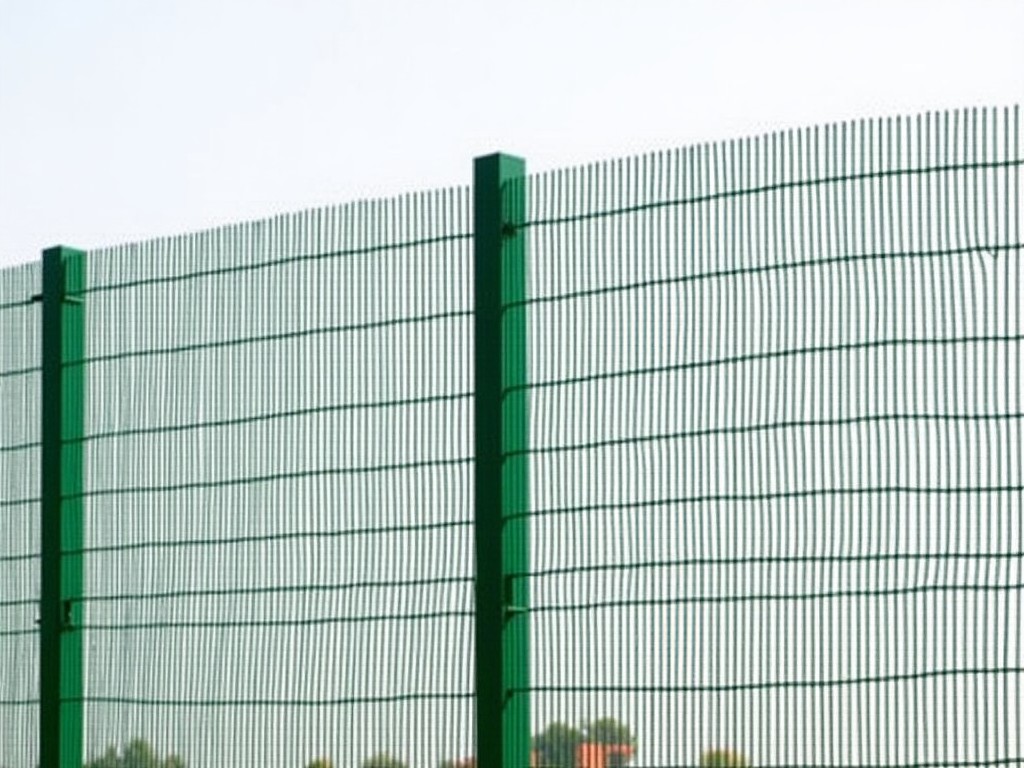
Decorative woven wire fence panels are manufactured by interlacing galvanized or stainless steel wires in precise geometric patterns to create durable, visually distinct barriers. Unlike standard
Decorative Woven Wire Fence Panels Factory Direct
Decorative woven wire fence panels are manufactured by interlacing galvanized or stainless steel wires in precise geometric patterns to create durable, visually distinct barriers. Unlike standard welded mesh or chain-link fencing, woven construction allows for intricate designs while maintaining structural integrity under tension and environmental exposure. This method produces panels suitable for architectural applications where both security and aesthetic appeal are required, such as perimeter enclosures, landscape features, and urban design projects.
Material Composition and Corrosion Resistance
The base wire for decorative woven panels is typically low-carbon steel with a zinc coating applied via hot-dip galvanizing (minimum 60 g/m²) or electro-galvanizing for lighter exposure environments. For coastal, industrial, or high-humidity installations, 304 or 316 grade stainless steel wires are used, offering inherent resistance to chloride-induced corrosion without relying on surface coatings. Wire diameters range from 2.0 mm to 4.0 mm depending on design complexity and load requirements, with tensile strength maintained between 350–550 MPa to resist sagging and impact deformation over time.
Weave Patterns and Design Flexibility
Woven wire panels are produced using specialized looms that interlace warp and weft wires in repeatable patterns such as square mesh, rectangular lattice, diamond weave, or custom ornamental motifs. Pattern repeat intervals typically range from 25 mm to 100 mm center-to-center, allowing designers to scale visual density according to viewing distance and light penetration needs. Open area ratios vary from 40% to 70%, influencing both visibility and wind load characteristics—critical factors in structural calculations for freestanding or mounted installations.
Structural Performance and Installation Considerations
Panels are commonly framed with rolled steel edges (U-channel or L-angle) to prevent wire pull-out and facilitate mounting via bolts, welds, or mechanical fasteners. Frame depth usually matches panel thickness (20–40 mm), with corner reinforcements added for panels exceeding 2.5 m in width to resist racking under lateral loads. When installed as standalone barriers, posts are typically spaced at 2.5–3.0 m intervals, with panel deflection limited to L/150 under a 500 Pa wind load (equivalent to approximately 110 km/h gust) to maintain appearance and function.
Surface Finishes and Aesthetic Options
Beyond base metal selection, panels can be finished with powder coating in RAL colors to match architectural schemes, with coating thickness typically 60–80 µm and adhesion tested per ASTM D3359. Alternative finishes include black oxide for a matte, non-reflective appearance or clear lacquer over stainless steel to preserve metallic luster while reducing fingerprints. For projects requiring weathering steel aesthetics, corten-treated wires are available, developing a stable rust patina that eliminates the need for painting while providing long-term corrosion resistance in cyclic wet-dry environments.
Customization and Dimensional Parameters
Standard panel heights range from 0.8 m to 2.4 m, with widths up to 3.0 m limited by loom capacity and handling logistics. Custom lengths are achievable through modular joining using interlocking edges or splice plates, allowing seamless transitions for long runs. Wire spacing, profile depth (achieved via crimping or profiling), and border treatments (such as scalloped tops or vertical accents) are all adjustable per project specifications, enabling integration with gates, lighting fixtures, or planter systems without redesigning the core panel geometry.
| Parameter | Typical Range | Notes |
|---|---|---|
| Wire Diameter | 2.0–4.0 mm | Selected based on span and design load |
| Mesh Opening | 25–100 mm | Center-to-center; affects visibility and rigidity |
| Panel Height | 800–2400 mm | Standard; custom heights available |
| Panel Width | Up to 3000 mm | Limited by loom width; wider via joining |
| Open Area Ratio | 40–70% | Influences wind load and visual permeability |
| Frame Depth | 20–40 mm | Matches panel thickness; reinforced at corners |
Quality Control and Testing Protocols
Each production batch undergoes wire tensile testing to confirm minimum yield strength, zinc coating weight verification via gravimetric method (ISO 1460), and visual inspection for weave consistency under 10x magnification. Panels are subjected to 48-hour salt spray testing (ASTM B117) for coated variants, with acceptable limits of less than 5% red rust appearance after test completion. Dimensional checks include wire alignment tolerance (±1.5 mm over 1 m length) and frame squareness verification (<2 mm deviation) to ensure proper fit during installation and long-term dimensional stability.
Applications in Architectural and Landscape Design
Decorative woven wire panels are specified in urban streetscapes to provide pedestrian barriers that maintain sightlines and reduce visual bulk compared to solid walls. In commercial developments, they serve as infill panels for parking garage facades, allowing ventilation while deterring unauthorized access. Landscape architects use them as trellis supports for climbing vegetation, where the open weave facilitates plant growth and light penetration, and as retaining wall accents where their linear patterns contrast with natural stone or concrete textures. Their lightweight nature relative to solid materials reduces foundation loads, making them suitable for retrofitting existing structures or installing on elevated platforms.
Factory Direct Advantages and Lead Times
Sourcing directly from the manufacturer eliminates intermediary markups and allows tighter control over material traceability, production scheduling, and specification adherence. Standard panels with common patterns and galvanized finish typically ship within 3–4 weeks after drawing approval, while custom stainless steel or powder-coated variants require 5–6 weeks due to additional processing steps. Packaging includes horizontal stacking on pallets with edge protectors and stretch wrapping to prevent surface damage during transit, with optional wooden crating available for high-value or long-distance shipments.
To request a quotation or technical data sheet for decorative woven wire fence panels, provide project dimensions, desired wire material, finish type, and any structural load requirements. Our engineering team will review inputs and return a detailed response including panel layout options, connection details, and performance data within one business day.
Request Technical Specification
Product Categories


Send Inquiry
If you are interested in our products, leave your information here and we will be in touch shortly.