Fully Automatic Chain Link Fence Making Machine Price
The price of a fully automatic chain link fence making machine depends on technical specifications that directly affect production efficiency, material compatibility, and operational longevity.
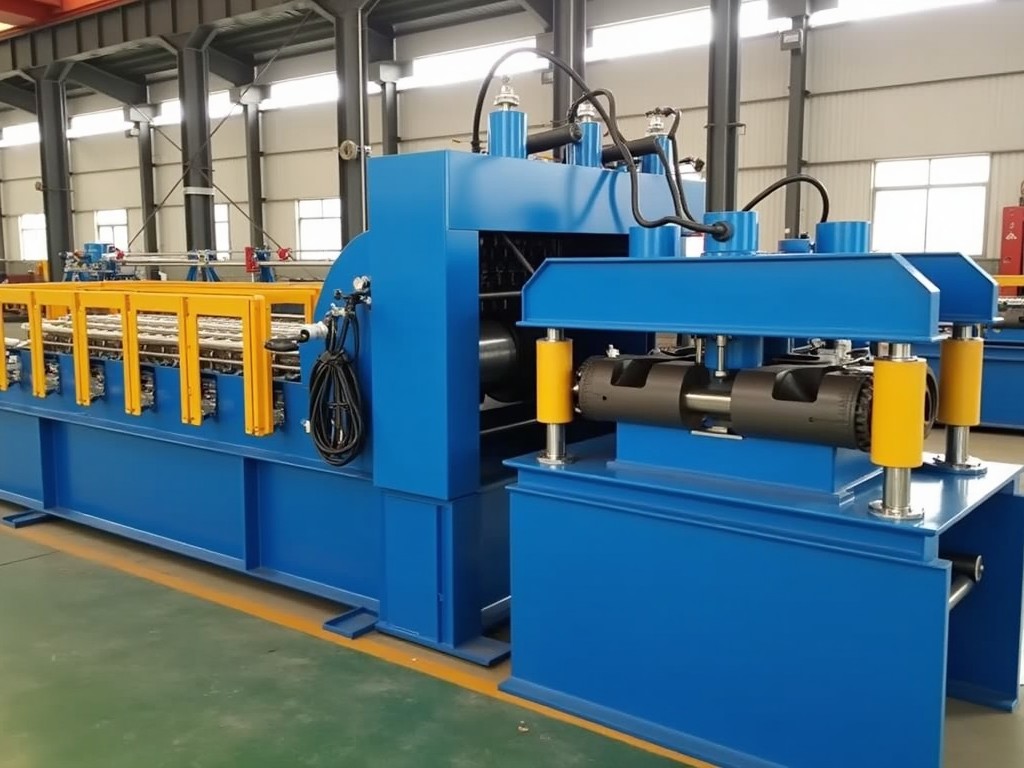
Fully Automatic Chain Link Fence Making Machine Price
The price of a fully automatic chain link fence making machine depends on technical specifications that directly affect production efficiency, material compatibility, and operational longevity. Understanding these variables helps procurement engineers evaluate total cost of ownership rather than focusing solely on upfront expenditure.
Key determinants include maximum wire diameter range, mesh opening size flexibility, automation level of tension control and cutting systems, drive motor power, and frame construction material. Machines capable of processing galvanized steel wire from 1.2mm to 4.0mm with adjustable diamond patterns from 40mm to 100mm typically require more robust servo-driven mechanisms and reinforced welding units, increasing base cost.
Additional cost factors involve integrated features such as automatic wire splicing, programmable length counters, safety interlocks compliant with ISO 13849, and data logging for production tracking. Optional upgrades like stainless steel contact parts for corrosive environments or quick-change tooling for frequent pattern shifts add 15-30% to the base configuration.
Technical Specifications Influencing Price
| Specification | Typical Range | Price Impact Rationale |
|---|---|---|
| Max Wire Diameter | 1.2mm - 4.0mm | Higher diameter requires larger drive motors (7.5kW+ vs 3kW) and reinforced feed rollers, increasing cost by 20-40% |
| Mesh Opening Adjustability | 40mm - 100mm diamond | Variable gearboxes or servo-controlled winding mechanisms add complexity; fixed-pattern machines are 25% cheaper |
| Production Speed | 15 - 40 m/min | Higher speeds demand precision tension control systems and faster response braking; each 5 m/min increase adds ~8% to cost |
| Control System | PLC with HMI touchscreen | Basic relay logic vs industrial PLC (Siemens/Mitsubishi) adds $2,000-$5,000; Ethernet/IP connectivity adds further |
| Frame Construction | Welded steel C-channel | Lightweight framing vs stress-relieved, machined bases affects vibration damping; precision mounting adds 10-15% |
Price Configuration Examples
Base models designed for standard galvanized wire (2.0mm-2.8mm) with fixed 50mm mesh opening and manual wire loading typically start in the mid-range for industrial wire forming equipment. These units prioritize mechanical simplicity with cam-driven winding and manual cut-off, suitable for low-volume production or batch processing where changeover frequency is low.
Mid-tier configurations featuring automatic wire feeding, servo-controlled mesh width adjustment, and programmable length counters accommodate varying project requirements without mechanical retooling. The addition of a touchscreen interface for recipe storage and fault diagnostics increases usability in multi-operator environments, justifying a moderate price increase over base units.
High-output systems engineered for continuous operation include dual-wire feeders for reduced splicing frequency, laser-assisted mesh alignment, and integrated coiling arms with automatic tension compensation. These configurations target high-volume fencing contractors and require three-phase power (380V/50Hz), contributing to higher electrical infrastructure costs alongside the machine price.
Cost of Ownership Considerations
Beyond acquisition price, long-term value depends on wear part availability, energy consumption per meter of fence produced, and maintenance accessibility. Machines using standardized wear components (e.g., common bearing sizes, off-the-shelf motor brushes) reduce downtime compared to proprietary designs requiring factory-sourced replacements.
Energy efficiency varies significantly between drive types; older AC motor systems with mechanical clutches consume 15-25% more power than modern servo-driven equivalents under partial load. Regular lubrication points accessible without disassembly and modular sub-assemblies (e.g., removable welding head) lower mean time to repair, a critical factor for operations running multiple shifts.
Resale value retention correlates with frame rigidity and control system upgradability. Machines built on stress-relieved steel frames with open-architecture PLCs allow easier retrofits of new software or safety modules, extending useful life beyond a decade in many industrial settings.
Requesting a Technical Quotation
To receive an accurate price quotation, suppliers require specific application details: wire material type (galvanized, aluminized, PVC-coated), diameter range, required mesh opening dimensions, target production speed, and daily operating hours. Environmental factors such as ambient temperature range, dust exposure, and corrosion risk influence material selection for contact parts and electrical enclosures.
Integration needs should be specified early—whether the machine requires standalone operation, connection to an upstream wire drawing line, or downstream packaging system. Power availability (voltage, phase, frequency) and facility floor load capacity must be verified to avoid costly modifications post-purchase.
Many manufacturers offer virtual or on-site technical consultations to validate specifications before quoting. Providing a sample of the intended wire or a detailed application sketch helps engineers recommend the optimal drive system, wire straightener configuration, and cutting mechanism, reducing the risk of over-specification or costly rework after installation.

Product Categories


Send Inquiry
If you are interested in our products, leave your information here and we will be in touch shortly.