Oem Plastic Coated Chain Wire Fencing
Plastic coated chain wire fencing combines galvanized steel core wire with a protective polymer layer to deliver corrosion resistance, impact absorption, and extended service life in demanding
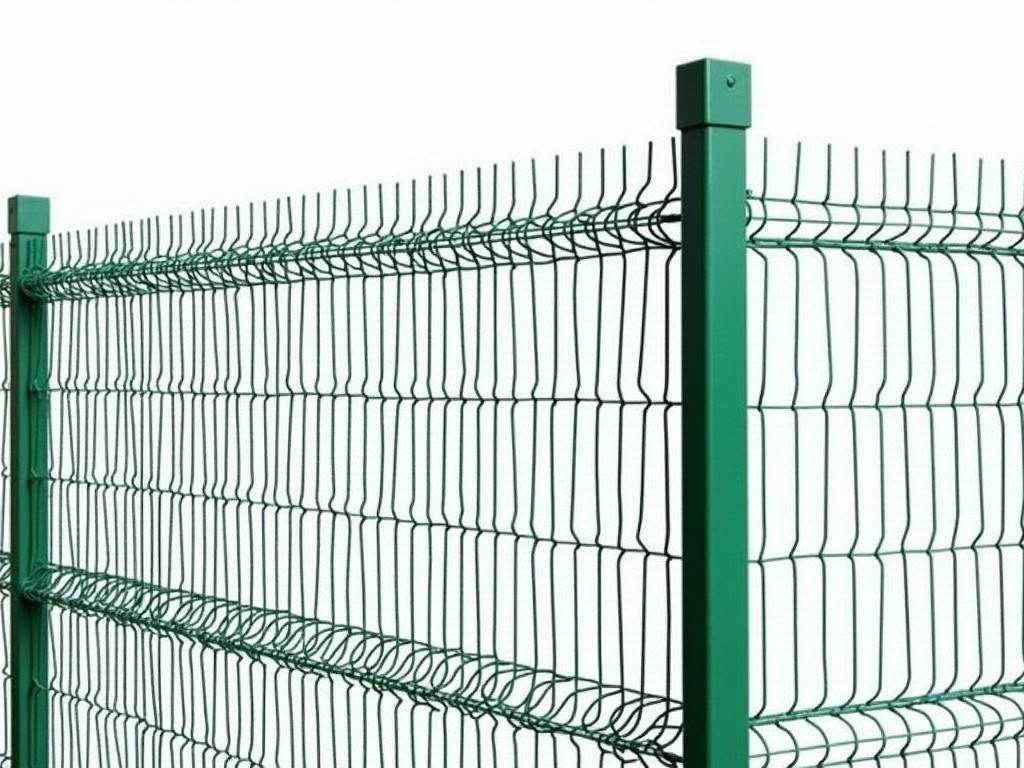
OEM Plastic Coated Chain Wire Fencing
Plastic coated chain wire fencing combines galvanized steel core wire with a protective polymer layer to deliver corrosion resistance, impact absorption, and extended service life in demanding environments. This product is engineered for OEM integration where consistent performance, dimensional stability, and long-term reliability are critical to system integrity.
Unlike standard uncoated fencing, the plastic coating acts as both a barrier against moisture and chemicals and a cushion that reduces wire-on-wire abrasion during installation and thermal cycling. The result is a fencing solution that maintains structural integrity while minimizing maintenance needs over decades of outdoor exposure.
Material Composition and Coating Technology
The base wire is typically low-carbon steel, cold-drawn to achieve tensile strengths between 350–550 MPa depending on gauge, with a zinc coating weight of 20–50 g/m² (galvanized) or higher for enhanced corrosion resistance. This core provides the mechanical foundation for load-bearing capacity and elongation resistance under tension.
The plastic coating is applied via extrusion or dip-coating using modified polyvinyl chloride (PVC) or polyethylene (PE) formulations, with thicknesses ranging from 0.3 mm to 0.8 mm. These polymers are compounded with UV stabilizers, antioxidants, and pigments to resist embrittlement, fading, and cracking under prolonged sun exposure and temperature extremes from -30°C to +60°C.
Adhesion between the steel core and polymer layer is critical; proper surface pretreatment (cleaning, phosphating) ensures coating integrity, preventing delamination that could expose the substrate to corrosion. Coating continuity is verified through spark testing during manufacturing to detect pinholes or thin spots.
Key Engineering Specifications
| Parameter | Typical Range | Notes |
|---|---|---|
| Core Wire Diameter | 1.2–3.0 mm | Determines tensile strength and flexibility |
| Coating Thickness | 0.3–0.8 mm | Measured over zinc layer; affects abrasion resistance |
| Mesh Opening (Diamond) | 25–100 mm | Standard sizes; custom available per tooling |
| Roll Width | 0.9–2.4 m | Custom slit widths available upon request |
| Roll Length | 10–50 m | Dependent on wire diameter and coating thickness |
| Tensile Strength (Coated Wire) | 300–500 MPa | Slight reduction vs. uncoated due to polymer interface |
These values represent typical production ranges; actual specifications are customized based on application load requirements, environmental exposure, and installation method. Tensile strength is measured per ASTM A641/A641M on the bare wire prior to coating, with post-coating values derived from empirical correlation.
Coating color is not merely aesthetic—darker pigments (black, dark green) absorb more UV radiation, which can accelerate polymer degradation unless stabilized with higher concentrations of HALS or UV absorbers. Lighter colors (white, gray) reflect more radiation but may show dirt more readily; selection involves trade-offs between thermal performance and visibility.
Applications Driven by Environmental and Mechanical Demands
In agricultural settings, plastic coated fencing prevents livestock injury from sharp wire ends and reduces feed contamination from rust particles, while the coating withstands ammonia-rich environments from manure and fertilizer runoff better than bare galvanized steel.
For highway and railway right-of-way barriers, the coating minimizes glare from sunlight reflection off bare wire, improving driver visibility, while also resisting chloride-induced corrosion from de-icing salts in cold climates—a common cause of premature failure in uncoated alternatives.
Industrial facilities use this fencing around chemical storage zones or wastewater treatment plants where exposure to sulfides, chlorides, or alkaline washdowns would rapidly degrade uncoated surfaces; the plastic layer provides a sacrificial barrier that maintains structural continuity even if superficially scratched.
In recreational areas such as parks or sports complexes, the smooth, rounded edges of coated wire reduce abrasion risk to users and equipment, while the availability of color-matched options allows integration with landscape design without sacrificing security function.
Customization Logic for OEM Integration
OEM buyers specify coating thickness based on expected mechanical wear—higher abrasion environments (e.g., mining conveyor guards) may require 0.7–0.8 mm PE coatings for superior impact resistance, while architectural applications prioritize UV stability and color consistency over thickness, using 0.4–0.5 mm PVC with specialized pigments.
Wire gauge selection balances flexibility for installation with rigidity for load resistance; thinner gauges (1.2–1.8 mm) are used in temporary or low-tension barriers, whereas heavier gauges (2.4–3.0 mm) are specified for permanent perimeter security or animal containment where sustained tension is expected.
Mesh geometry can be altered to modify climb resistance or visibility—smaller diamond openings (25–40 mm) deter hand/foothold for climbing, while larger openings (75–100 mm) reduce wind load and material cost in open-field applications where containment is the primary goal.
Edge finishing options include knuckled (twisted) or barbed configurations; knuckled edges eliminate sharp protrusions for safety-sensitive zones, while barbed tops add deterrent capability without requiring separate overhangs, all while maintaining coating continuity at the termination point.
Quality Control and Manufacturing Considerations
Incoming wire is tested for zinc coating adherence and tensile properties before coating; any deviation triggers rejection to prevent weak points in the final product. During extrusion, melt temperature, die pressure, and line speed are monitored in real time to ensure uniform coating thickness ±0.05 mm.
Post-coating, the fencing undergoes flex testing—typically 10,000 cycles at 180° bend radius—to detect coating cracking or adhesion failure. Samples are also subjected to accelerated weathering (UV-A 340nm, 0.89 W/m², 60°C chamber temperature) for 1,000 hours to validate color retention and embrittlement resistance.
Dimensional verification includes mesh opening width, roll width tolerance (±10 mm), and linear density (kg/m) to ensure consistency across batches. Any roll exceeding ±5% deviation in weight per meter is quarantined for investigation, as this may indicate coating inconsistency or wire diameter drift.
Packaging uses UV-stabilized polyethylene film with end caps to prevent moisture ingress during storage and transit; rolls are labeled with batch number, coating type, diameter, and length for traceability. For export shipments, desiccant packs and corner boards are added to mitigate humidity and impact risks in containerized transport.
For technical consultation, custom specification requests, or sample evaluation, contact our engineering team to discuss your project’s environmental conditions, load requirements, and integration timeline.
Request Technical Specification Sheet
Product Categories


Send Inquiry
If you are interested in our products, leave your information here and we will be in touch shortly.