Oem Temp Fence Panels For Sale
Temporary fencing systems are engineered solutions designed for rapid deployment, structural stability, and safe containment in dynamic environments. Unlike permanent barriers, these systems
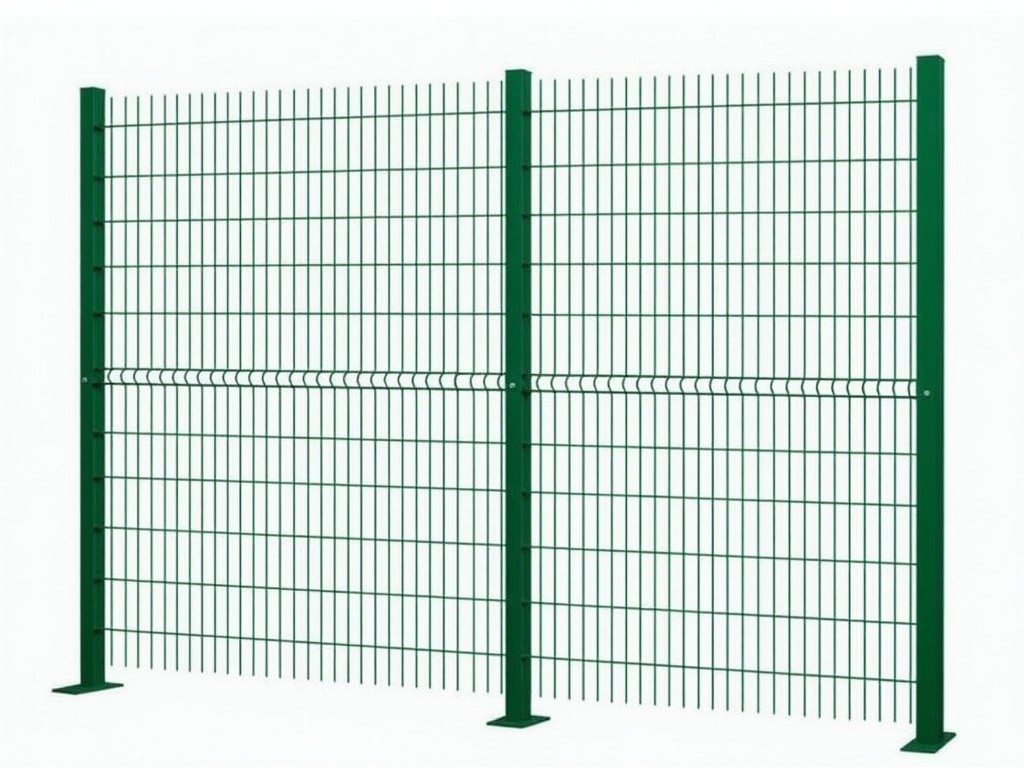
OEM Temp Fence Panels for Sale
Temporary fencing systems are engineered solutions designed for rapid deployment, structural stability, and safe containment in dynamic environments. Unlike permanent barriers, these systems prioritize modularity, ease of installation, and reusability across multiple project phases. OEM temp fence panels for sale refer to factory-produced units built to exact customer specifications, ensuring compatibility with site-specific requirements, local regulations, and integration with existing site infrastructure. Procurement decisions for these panels hinge on dimensional accuracy, material consistency, connection reliability, and long-term cost efficiency—not just initial unit price.
Core Engineering Characteristics
Standard temp fence panels typically range from 2.1 to 2.4 meters in height and 2.0 to 2.5 meters in width, though OEM variants allow customization within these bounds to match site constraints or security needs. The frame is most commonly constructed from galvanized steel tubing with outer diameters between 32mm and 48mm and wall thicknesses of 1.2mm to 2.0mm, selected based on expected wind loads, impact resistance, and service life. Infill options include welded wire mesh (typically 50x50mm or 75x50mm apertures with 3.0mm to 4.0mm wire diameter), steel palisade panels, or anti-climb mesh, each chosen for visibility, deterrence, and compliance with local safety codes.
Connection systems are critical to panel integrity and are typically engineered as either male/female tube couplers, pin-and-lug mechanisms, or overlapping flanges with bolted joints. These interfaces must resist lateral displacement under wind loads exceeding 150 km/h and prevent disengagement during accidental impact. Surface treatments follow ASTM A123 or ISO 1461 standards for hot-dip galvanizing, with minimum zinc coating weights of 610 g/m² to ensure corrosion resistance in outdoor environments for 5+ years without maintenance. Panels are designed to stack flat for storage and transport, with nominal weight ranging from 18 to 35 kg per unit depending on size and infill type.
Material Selection and Performance Trade-offs
Steel grade selection directly impacts panel durability and cost. Commonly used grades include Q195, Q235, or S235JR for structural tubing, offering yield strengths between 195 MPa and 235 MPa—sufficient for most temporary applications while maintaining weldability and formability. Higher-strength grades like Q345 or S355JR (345–355 MPa yield) are available upon request for high-wind zones or applications requiring reduced material thickness without sacrificing rigidity. The choice between grades involves balancing material cost, transportation weight, and on-site handling efficiency.
Wire mesh infill is typically low-carbon steel wire, cold-drawn and galvanized post-welding to prevent rust at weld points. Aperture size affects both visibility and climb resistance: smaller apertures (e.g., 50x50mm) deter hand and footholds but increase wind load; larger apertures (75x50mm or 100x50mm) reduce wind resistance and material cost but may require additional anti-climb measures. Some OEM specifications incorporate PVC-coated mesh in green, black, or white for aesthetic integration or reduced glare, with coating thickness typically 0.3–0.5mm to avoid cracking under flex.
Customization Logic for OEM Requirements
OEM production begins with detailed technical input from the buyer, including panel dimensions, infill type, connection method, coating specifications, and any required accessories such as base feet, stabilizer arms, or gate integration points. Unlike off-the-shelf panels, OEM units are not stocked; they are manufactured against approved drawings or samples, with first-article inspection conducted before full production run. This ensures dimensional consistency across batches and compatibility with existing rental fleets or site-specific ground conditions.
Common customization requests include non-standard heights (e.g., 1.8m for low-visibility zones or 3.0m for high-security areas), reinforced frames for crane-lifted installations, or specialized base plates designed for soft soil, asphalt, or concrete anchoring. Panels may also be pre-drilled for signage mounting, retrofitted with reflective strips for night visibility, or equipped with noise-dampening infill for urban projects. All modifications are evaluated for structural integrity, wind load impact, and compliance with local temporary fencing standards such as AS 4687 or BS 8418.
Quality Control and Manufacturing Considerations
Production follows a standardized sequence: tube cutting to length, end swaging or flaring for connections, robotic or semi-automatic welding of mesh to frame, hot-dip galvanizing, and final inspection. Dimensional checks are performed at multiple stages—cut length, frame squareness, mesh tension, and overall panel flatness—using calibrated fixtures and go/no-go gauges. Weld integrity is verified via visual inspection and periodic bend testing per ISO 9606-1, with tensile strength of weld zones expected to match or exceed base material.
Coating quality is assessed using magnetic thickness gauges, with minimum zinc coverage verified across edges, welds, and corners—areas most prone to premature corrosion. Adhesion testing (per ASTM D3359) ensures the galvanized layer remains intact after handling and stacking. Panels are subjected to stacking tests (typically 10–15 high) to confirm dimensional stability and resistance to permanent deformation. Final packaging includes plastic corner protectors and stretch-wrapped bundles to prevent surface damage during transit.
Typical Applications and Operational Rationale
Temporary fencing is deployed where permanent barriers are impractical due to cost, timeline, or site uncertainty. In construction, panels secure perimeters against unauthorized access, protect pedestrians from falling debris, and segregate work zones from public pathways—often required by OSHA or equivalent regional safety authorities. The modular nature allows rapid reconfiguration as construction phases advance, minimizing downtime and labor costs compared to erecting and dismantling fixed barriers.
In event management, temp fencing controls crowd flow, establishes VIP zones, and secures equipment storage areas. Here, aesthetics and ease of re-use are prioritized; panels are frequently cleaned, re-galvanized if needed, and reused across multiple seasons. Utility projects use these systems to safeguard excavation sites, manage traffic flow during roadworks, and protect live infrastructure—applications where panel stability under wind load and resistance to vehicular impact are critical design factors.
Agricultural and landfill operations employ temp fencing for livestock containment, site security, and windblown litter control. In these environments, corrosion resistance and resistance to UV degradation (if PVC-coated) are key longevity factors. Rental companies specify OEM panels with standardized dimensions and connection types to maintain fleet interchangeability, reduce spare part complexity, and ensure consistent performance across hundreds of units deployed simultaneously.
Comparison of Common Specifications
| Parameter | Standard Range | OEM Customization Options |
|---|---|---|
| Height | 2.1–2.4 m | 1.8–3.0 m (in 100mm increments) |
| Width | 2.0–2.5 m | 1.5–3.0 m (site-dependent) |
| Frame Tube OD | 32–48 mm | 25–60 mm (based on load) |
| Wall Thickness | 1.2–2.0 mm | 0.8–3.0 mm (galvanized or painted) |
| Mesh Aperture | 50x50 mm or 75x50 mm | 25x25 mm to 100x100 mm (wire dia. 2.0–5.0 mm) |
| Coating | Hot-dip galvanized (610 g/m²) | PVC-coated, powder-coated, or galvannealed |
| Weight (typical) | 18–35 kg/panel | Customizable per design |
The table above illustrates how OEM specifications deviate from standard offerings to meet precise project demands. For example, a utility company working in a coastal environment may request 48mm OD tubes with 2.5mm walls and a zinc-aluminum alloy coating for enhanced salt resistance, while an event organizer might prioritize lighter 32mm frames with PVC-green mesh for visual discretion and faster handling. These variations are not merely aesthetic—they directly affect installation time, long-term reusability, and total cost of ownership.
Procurement Considerations for OEM Buyers
When sourcing OEM temp fence panels, buyers should provide complete technical documentation: panel dimensions, infill type, connection method, required coatings, anticipated wind zone (per local codes), and expected reuse cycle. Suppliers use this data to validate structural adequacy, recommend appropriate steel grades, and estimate tooling or setup costs. Lead times typically range from 3 to 6 weeks after drawing approval, depending on material availability and production schedule—factors that should be clarified early in the quotation process.
Minimum order quantities vary but often start at 50–100 panels for cost-effective tooling amortization. Buyers planning repeated orders should inquire about drawing retention policies and reorder procedures to ensure consistency across batches. It is advisable to request sample panels or mill test certificates for raw materials, particularly when specifications deviate significantly from standard offerings. Payment terms, packaging details, and export documentation (e.g., certificates of origin, fumigation certificates for wood pallets) should be confirmed before production begins.
Total cost evaluation must extend beyond unit price to include freight efficiency (stackability and weight), expected service life, maintenance requirements, and compatibility with existing inventory. A slightly higher upfront cost for optimized dimensions or corrosion protection may yield significant savings over multiple deployment cycles through reduced damage, lower labor for repairs, and extended reuse.
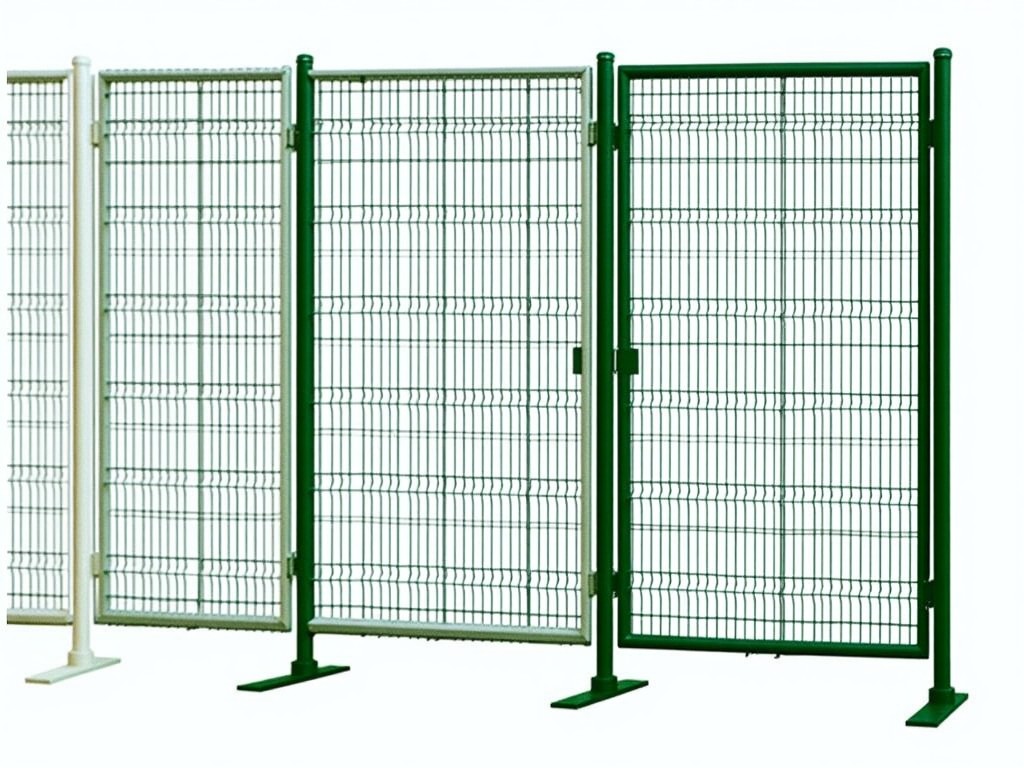
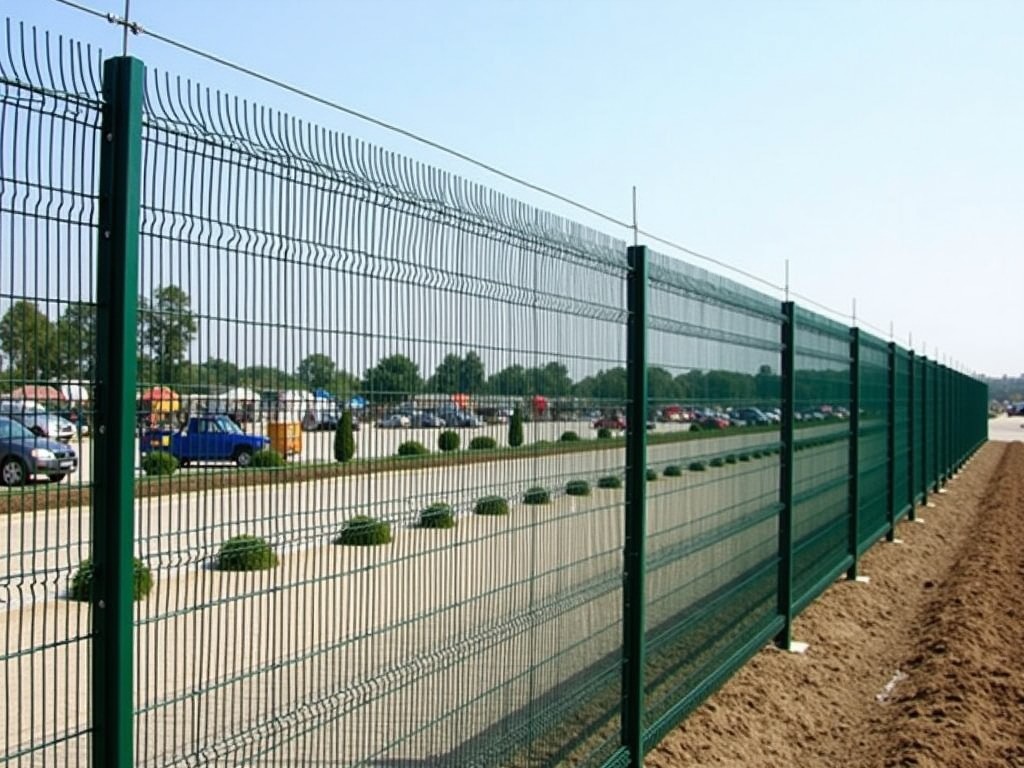
Product Categories


Send Inquiry
If you are interested in our products, leave your information here and we will be in touch shortly.