Oem Temporary Construction Fence Company
Temporary construction fences serve as critical safety and site control barriers, designed to restrict unauthorized access, protect the public, and delineate work zones during construction,
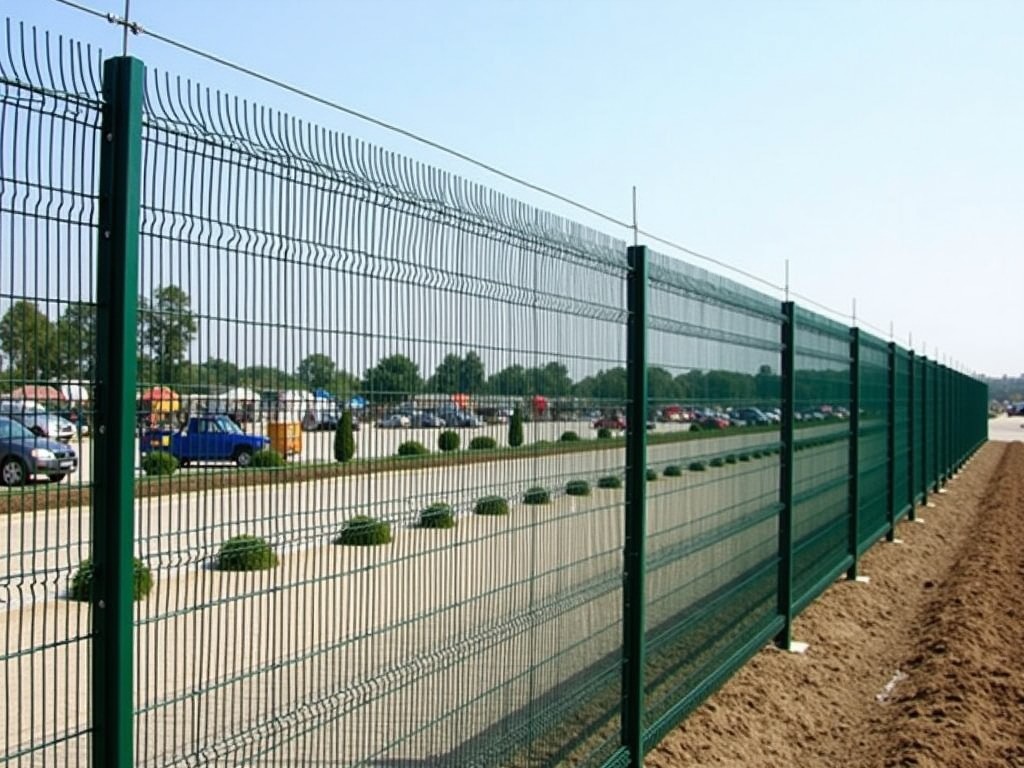
OEM Temporary Construction Fence Solutions
Temporary construction fences serve as critical safety and site control barriers, designed to restrict unauthorized access, protect the public, and delineate work zones during construction, renovation, or infrastructure projects. Unlike permanent fencing, these systems prioritize rapid deployment, structural stability under variable loads, and reusability across multiple job sites. Effective temporary fencing must withstand wind loads, incidental impacts, and prolonged exposure to weather while maintaining integrity for the duration of the project.
Core Engineering Characteristics
Panel height typically ranges from 6 to 8 feet, selected based on site security requirements and local regulations. Standard panel widths are 8 or 10 feet to optimize handling and transport efficiency. Frames are constructed from galvanized steel tubing with a minimum wall thickness of 1.2mm, providing adequate bending resistance while keeping weight manageable for two-person installation. Infill options include welded wire mesh with 2-inch x 4-inch openings or chain-link fabric, both offering visibility and wind permeability. Base systems utilize weighted concrete or rubber stands, each designed to resist overturning moments from lateral forces without requiring ground penetration.
Material Selection and Durability Factors
Hot-dip galvanization per ASTM A123 is the standard corrosion protection method, delivering a minimum zinc coating of 60 microns to ensure multi-year service life in outdoor environments. For coastal or high-humidity applications, optional powder coating over galvanized steel adds a secondary barrier against chloride-induced degradation. All connection hardware uses stainless steel or zinc-plated fasteners to prevent galvanic corrosion at joints. The combination of these material choices results in a maintenance-free service life of 5–7 years under typical construction site conditions, with inspection recommended after severe weather events.
Customization Logic for OEM Requirements
OEM temporary fencing solutions are engineered to meet specific project constraints, including height restrictions, wind load zones, and integration with access control systems. Customization begins with determining the required structural performance—such as resistance to 90 mph wind loads in Exposure C conditions—which dictates tube diameter, wall thickness, and base weight. Infill density can be adjusted to balance visibility with debris containment; for example, tighter mesh reduces wind flow but increases sail area. Additional features like integrated signage brackets, stabilizer arms for uneven terrain, or anti-climb modifiers are incorporated based on risk assessments rather than standard catalog offerings.
Quality Control and Manufacturing Considerations
Production follows ISO 9001-aligned processes with dimensional verification at critical stages: tube cutting tolerance ±1mm, weld penetration minimum 75% of thickness, and galvanizing coating thickness measured via magnetic induction. Each panel undergoes a load test simulating 50 lbs of lateral force at mid-height to verify frame rigidity. Packaging is designed for flat-stacking to minimize deformation during transit, with corner protectors and stretch film securing units. Documentation includes material certificates, galvanizing reports, and pack lists tailored to the OEM’s receiving and inventory systems.
Typical Specifications Table
| Parameter | Typical Range | Notes |
|---|---|---|
| Panel Height | 6–8 ft | Custom heights available |
| Panel Width | 8–10 ft | Optimized for handling |
| Frame Tubing | 1.2–1.6mm wall | Galvanized steel |
| Infill Type | Welded mesh or chain-link | 2"x4" opening std. |
| Base Weight | 35–50 lbs/stand | Concrete or rubber |
| Wind Load Rating | Up to 90 mph | Depends on height/base |
| Service Life | 5–7 years | With inspection |
Application Rationale Across Industries
In highway construction, temporary fencing prevents vehicle encroachment into work zones while maintaining clear sightlines for drivers and workers; mesh openness reduces wind-induced vibration that could destabilize panels. For urban redevelopment projects in occupied areas, fences with integrated privacy screens control dust and debris dispersal while allowing monitored access for deliveries. Event venues use lightweight, rapidly deployable versions for crowd control, where ease of reconfiguration outweighs maximum load capacity. Each application drives specific engineering trade-offs—such as prioritizing lateral stability over infill density in high-wind corridors or selecting lighter bases for frequent relocation in urban settings.
Procurement teams and project engineers seeking OEM temporary construction fence solutions are invited to submit project specifications for technical review. Provide details on site conditions, required performance criteria, and integration needs to receive a detailed response including material recommendations, structural calculations, and lead time estimates.
Submit Project Requirements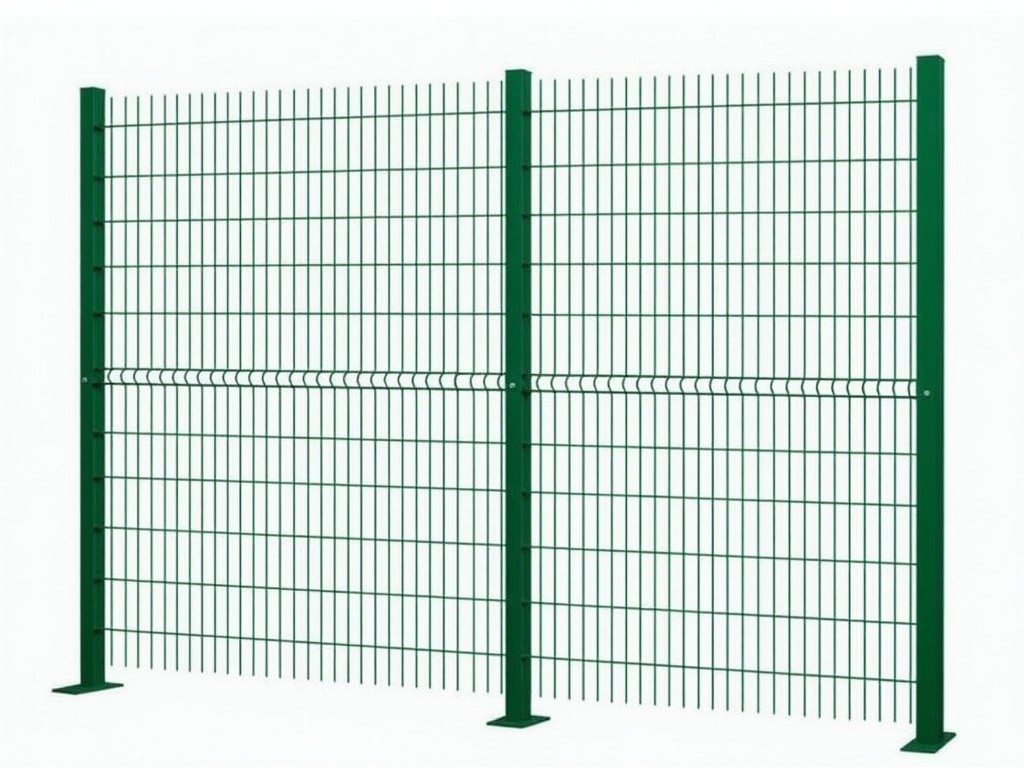
Product Categories


Send Inquiry
If you are interested in our products, leave your information here and we will be in touch shortly.