Plastic Chicken Wire Fence Factory Direct
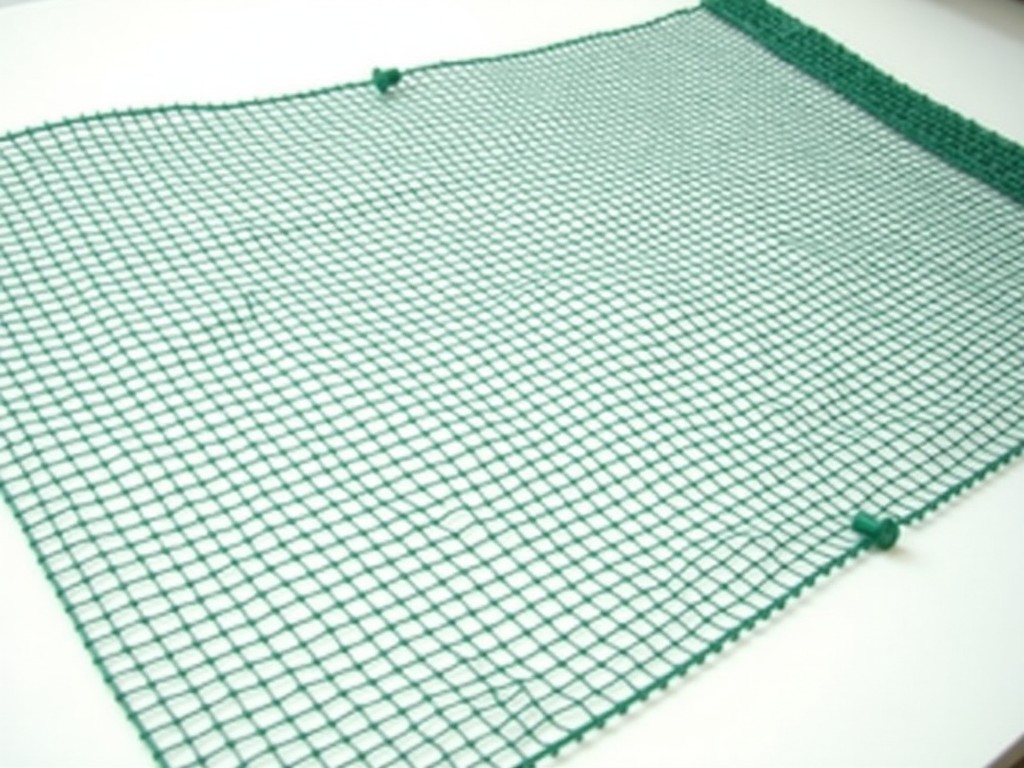
Plastic chicken wire fence is a lightweight, corrosion-resistant barrier system manufactured from high-density polyethylene (HDPE) or polypropylene (PP) resins, formed into a hexagonal or square mesh
Plastic Chicken Wire Fence Factory Direct
Plastic chicken wire fence is a lightweight, corrosion-resistant barrier system manufactured from high-density polyethylene (HDPE) or polypropylene (PP) resins, formed into a hexagonal or square mesh pattern through extrusion and stretching processes. Unlike galvanized steel alternatives, it does not rust, requires no painting, and maintains structural integrity in alkaline or acidic soil conditions common in agricultural environments. Factory-direct supply eliminates intermediary markups, allowing buyers to specify exact mesh dimensions, roll lengths, and material grades based on project-specific load and exposure requirements.
The primary advantage of plastic poultry netting lies in its durability-to-weight ratio: typical tensile strength ranges from 8 to 15 MPa depending on resin grade and strand thickness, while weighing only 40–60% of equivalent steel mesh. This reduces handling labor during installation and minimizes ground pressure on soft soils, making it suitable for temporary enclosures, rotational grazing zones, or permanent perimeter fencing where long-term UV stability is critical. UV stabilizers are compounded directly into the resin during extrusion, typically providing 5–7 years of outdoor service life before significant embrittlement occurs.
Technical Specifications and Material Options
| Parameter | Typical Range | Notes |
|---|---|---|
| Mesh Opening Size | 12 mm, 19 mm, 25 mm, 38 mm | Hexagonal or square; smaller sizes for chick containment |
| Strand Diameter | 0.5 mm – 1.2 mm | Affects tensile strength and flexibility |
| Roll Width | 0.5 m – 2.0 m | Custom widths available upon request |
| Roll Length | 10 m – 100 m | Standard lengths; longer runs spliced with UV-resistant fasteners |
| Material | HDPE, PP, or recycled blends | Recycled content up to 30% available for non-food-contact applications |
| UV Stabilization | 2–5% hindered amine light stabilizers (HALS) | Extends service life to 5–7 years in direct sunlight |
Material selection directly influences performance in specific environments. HDPE offers superior chemical resistance and low-temperature flexibility, making it suitable for northern climates or areas with frequent fertilizer exposure. PP provides higher rigidity and tensile strength at elevated temperatures, often preferred in southern regions with intense solar radiation. Recycled-content blends maintain adequate strength for low-stress applications like garden borders or ornamental fencing while reducing material cost and environmental impact. All resins are food-grade compliant where required for direct animal contact.
Strand geometry is engineered to balance openness with structural efficiency. Hexagonal patterns distribute load evenly across joints, minimizing stress concentration under wind or animal pressure. Square mesh variants offer higher open area for improved visibility and airflow, beneficial in poultry housing where ventilation is critical. Strand thickness is selected based on anticipated load: 0.5–0.7 mm for light-duty poultry enclosures, 0.8–1.0 mm for livestock barriers, and 1.0–1.2 mm for perimeter security or erosion control applications.
Manufacturing Process and Quality Control
Production begins with resin pellet drying to remove moisture below 0.02%, preventing hydrolysis during extrusion. The molten polymer is forced through a circular die to form a continuous tube, which is then inflated and stretched biaxially to orient molecular chains and increase tensile strength. This tubular film is slit, expanded, and helically wound to create the hexagonal mesh geometry, followed by edge trimming and winding onto cores. Process parameters—temperature, blow-up ratio, draw-down speed—are monitored in real time to ensure uniform thickness and consistent mesh dimensions across the entire roll.
Quality control includes inline laser diameter monitoring to detect strand variations exceeding ±0.05 mm, tensile testing of samples every 4 hours to verify minimum strength thresholds, and UV exposure testing in accelerated weathering chambers (ASTM G154) to validate stabilizer effectiveness. Rolls are inspected for defects such as thin spots, foreign inclusions, or misaligned strands before winding. Each batch is labeled with resin lot number, production date, and UV stabilization date for traceability. Factory-direct oversight ensures specifications are met without interpretation by third-party distributors.
Applications in Agricultural and Industrial Settings
In poultry operations, plastic chicken wire fence is used for chick brooder partitions, grow-out pen dividers, and predator exclusion barriers around free-range zones. Its non-conductive nature eliminates shock risk compared to electrified steel mesh, and its smooth surface reduces feather abrasion and foot injuries in birds. For rotational grazing systems, lightweight rolls enable rapid deployment and relocation by hand, supporting pasture management without requiring machinery. The open mesh allows rain and sunlight to penetrate, maintaining ground cover health beneath the fence line.
Beyond livestock, the material serves as erosion control netting on slopes, where it stabilizes soil while allowing vegetation to establish through the openings. In aquaculture, it functions as predator barriers around fish pens and shrimp ponds, resisting saltwater degradation better than untreated steel. Industrial uses include debris containment on construction sites, temporary fencing for event venues, and protective screening for greenhouse ventilation openings. Its dielectric properties make it safe near electrical installations, unlike conductive metal alternatives.
Gardeners and landscapers utilize it for protecting young trees from rodent gnawing, supporting climbing plants, and creating microclimate barriers against wind. The availability of green, black, or white pigments allows visual integration with surroundings—green for camouflage in foliage, black for heat absorption in cooler climates, white for reflectivity in high-heat zones. Custom colors are achievable through masterbatch blending during extrusion, though minimum order quantities may apply for non-standard shades.
Installation and Accessories
Installation typically involves unrolling the mesh along a prepared line and securing it to support posts using UV-stabilized plastic ties, staples, or clips. Post spacing depends on expected load: 1.5–2.0 m for light poultry use, 1.0–1.5 m for livestock or wind-exposed areas. Corner posts require bracing or concrete footing to resist lateral tension. Unlike steel mesh, plastic fence does not require gloves for handling due to absence of sharp edges, reducing installation time and injury risk. Overlapping adjacent rolls by 100–150 mm and fastening at 300 mm intervals ensures continuous barrier integrity.
Accessory options include pre-cut lengths with reinforced edges, roll-end caps to prevent fraying, and compatible fastening systems made from the same resin to avoid galvanic corrosion. For permanent installations, aluminum or fiberglass posts are recommended to match the fence’s corrosion resistance and thermal expansion characteristics. Temporary setups may use reusable plastic stakes or weighted bases. All accessories are engineered to maintain consistent UV resistance and mechanical properties over the fence’s service life, avoiding weak points in the system.
Why Choose Factory Direct Supply
Purchasing directly from the manufacturer eliminates layer-based cost accumulation, enabling precise control over material formulation, roll dimensions, and lead times. Buyers can request custom resin blends—such as increased UV stabilizer content for desert environments or anti-static additives for dusty environments—without paying premiums for distributor inventory markup. Factory visibility allows verification of raw material sources, production consistency, and quality documentation, reducing the risk of receiving off-spec or inconsistent batches common in aggregated supply chains.
Lead times are typically 2–4 weeks for standard specifications, as production runs are scheduled based on actual orders rather than forecasted inventory. This reduces the likelihood of material degradation from prolonged warehouse storage, where UV stabilizers can slowly deplete even in dark conditions. Technical support is provided directly by process engineers who understand extrusion parameters, material behavior, and failure modes, enabling faster resolution of application-specific questions compared to generalist distributor representatives.
For technical consultation, custom specifications, or a detailed quotation based on your project’s dimensions, material preferences, and delivery requirements, contact our production team directly.
Request Factory Direct Quote
Product Categories


Send Inquiry
If you are interested in our products, leave your information here and we will be in touch shortly.