Ranch Style Fence With Wire Factory Price
Ranch style fencing with integrated wire combines traditional post-and-rail aesthetics with functional livestock containment. This hybrid design addresses the dual requirements of visual appeal and
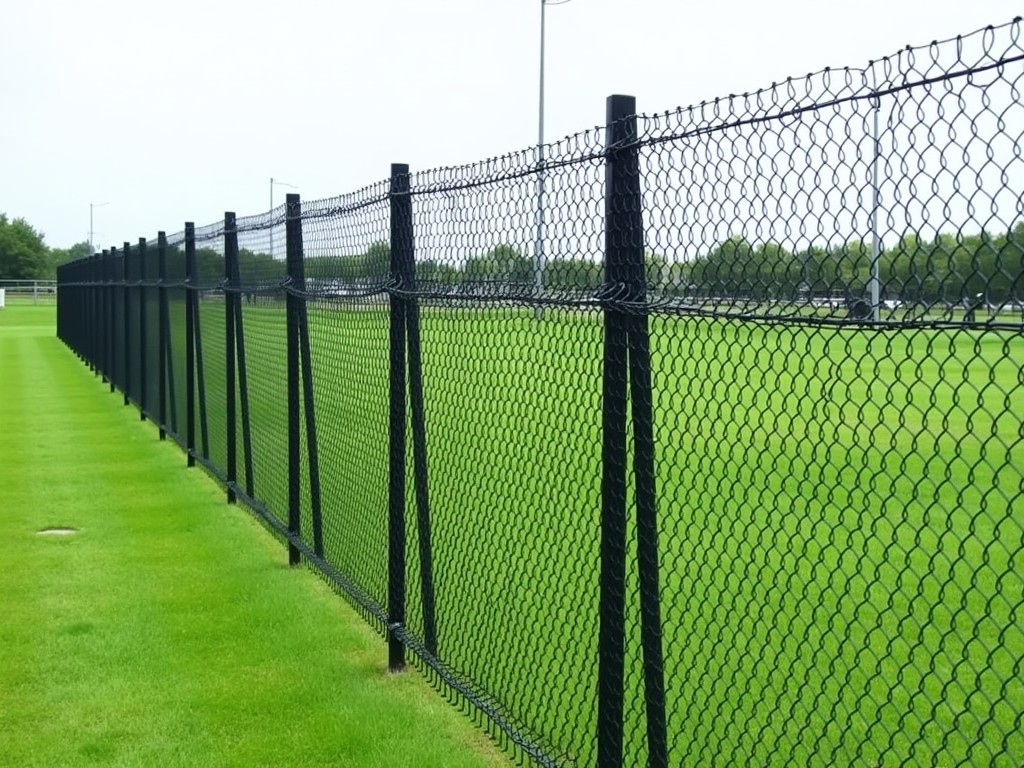
Ranch Style Fence with Wire - Factory Direct Pricing
Ranch style fencing with integrated wire combines traditional post-and-rail aesthetics with functional livestock containment. This hybrid design addresses the dual requirements of visual appeal and practical animal management common in agricultural and rural residential settings.
The system typically features horizontal wooden rails (often 2x4 or 2x6 nominal) supported by vertical posts, with welded wire or woven wire mesh attached to the interior face. This configuration maintains the open, horizontal line characteristic of ranch fencing while providing a barrier effective for cattle, horses, and smaller livestock depending on wire specifications.
Factory pricing for this product reflects direct manufacturing efficiencies, eliminating intermediary markups. Cost structure depends on material selections, wire gauge and spacing, post dimensions, and treatment processes—all variables that influence both initial expenditure and long-term performance.
Material Composition and Treatment Options
Posts and rails are predominantly manufactured from pressure-treated southern yellow pine or douglas fir, selected for their strength-to-weight ratio and treatability. Common treatment levels include:
- Ground Contact (UC4A): For posts buried in soil, resisting fungal decay and insect attack
- Above Ground (UC3B): For rails and horizontal members not in direct soil contact
Wire components typically use galvanized steel with zinc coating weights ranging from:
- G90 (0.90 oz/ft² total both sides): Standard agricultural wire
- G185 (1.85 oz/ft² total both sides): Enhanced corrosion resistance for humid or coastal environments
Alternative materials such as cedar (naturally resistant) or vinyl-coated wire are available upon request, though they modify the cost structure and may require different installation considerations.
Standard Configuration Parameters
| Parameter | Typical Range | Notes |
|---|---|---|
| Post Spacing | 8ft to 12ft on center | Wider spacing increases material efficiency but requires stronger rails |
| Rail Dimensions | 2x4, 2x6, or 2x8 nominal | Actual dimensions vary by moisture content and surfacing |
| Wire Mesh Height | 24in to 48in above ground | Determined by livestock type and containment requirements |
| Wire Mesh Opening | 2in x 4in to 6in x 6in | Smaller openings restrict smaller animals; larger openings reduce material cost |
| Post Diameter/Size | 4in, 5in, or 6in nominal round or square | Larger sizes increase buckling resistance and service life |
These parameters represent common starting points; actual specifications are customized based on site conditions, animal types, and local regulations. Factory pricing adjusts linearly with material volume and processing complexity.
Cost Factors Influencing Factory Price
Factory pricing is calculated based on measurable inputs rather than subjective assessments. Key cost drivers include:
- Lumber grade and dimensions (e.g., #2 vs. #1 southern yellow pine affects yield and waste)
- Treatment chemical retention levels (higher retention increases cost but extends service life)
- Wire tensile strength and coating weight (G90 vs. G185 galvanization adds ~15-25% material cost)
- Fabrication labor for notching, drilling, and wire attachment (pre-assembled panels reduce field labor)
- Packaging and palletization methods optimized for LTL or truckload shipping
Volume discounts apply at standard increments (e.g., 100ft, 500ft, 1000ft linear feet) due to reduced setup time and material handling efficiencies. Custom lengths or non-standard dimensions may incur additional processing fees.
Quotations include FOB factory pricing; freight, taxes, and installation are separate. Customers receive detailed bills of materials showing exact quantities and specifications before production.
Quality Control and Manufacturing Process
Manufacturing follows standardized workflows to ensure dimensional consistency and treatment uniformity:
- Incoming lumber is graded and moisture-tested before treatment
- Pressure treatment uses computer-controlled cycles to achieve target chemical retention
- Posts and rails are cut to length with ±1/8in tolerance
- Wire mesh is cut to panel dimensions and secured using staples or clips with specified crown width
- Finished units undergo visual inspection for treatment uniformity, wire tension, and mechanical damage
Documentation includes treatment certificates (verifying chemical retention), grade stamps, and pack lists. Traceability is maintained from raw material receipt to shipment.
While specific test data varies by order, the process adheres to AWPA standards for wood treatment and ASTM standards for galvanized wire where applicable.
Applications and Functional Benefits
This fencing system serves agricultural operations requiring both visual openness and animal containment. The horizontal rail profile maintains sightlines across pastures while the wire barrier prevents livestock from pushing through or escaping.
For horses, the smooth rail surface reduces injury risk compared to sharp wire alone; the wire mesh prevents hoof entrapment common with larger openings. For cattle, the combination resists rubbing and leaning damage that can degrade pure wire fences over time.
In residential rural settings, the design provides a traditional aesthetic that complies with common HOA or county guidelines for perimeter fencing, offering a balance between openness and security not achievable with solid privacy fences or standalone wire.
Installation Considerations
Proper installation affects long-term performance. Key factors include:
- Post embedment depth (typically 1/3 to 1/2 of above-ground height, minimum 24in)
- Use of gravel or crushed stone at post base for drainage in clay soils
- Wire tensioning to prevent sagging (initial tension followed by retensioning after 30 days)
- Correct fastener selection (galvanized or stainless steel staples/clips to avoid corrosion staining)
Factory-preassembled panels reduce field alignment errors and speed installation. However, on-site adjustments for terrain variations remain necessary. Detailed installation guides are available upon request, specifying recommended tools and techniques for wire attachment and post setting.
For technical specifications, customization options, or a detailed quotation based on your project requirements, contact our manufacturing team. Provide details on total linear feet, post spacing, wire height, and any site-specific constraints to receive an accurate factory price quotation.
Product Categories


Send Inquiry
If you are interested in our products, leave your information here and we will be in touch shortly.