Razor Barbed Wire Fence Installation
Installing razor barbed wire fence requires precise engineering considerations to ensure long-term effectiveness and safety. Unlike standard fencing, razor wire systems demand specific tensioning,
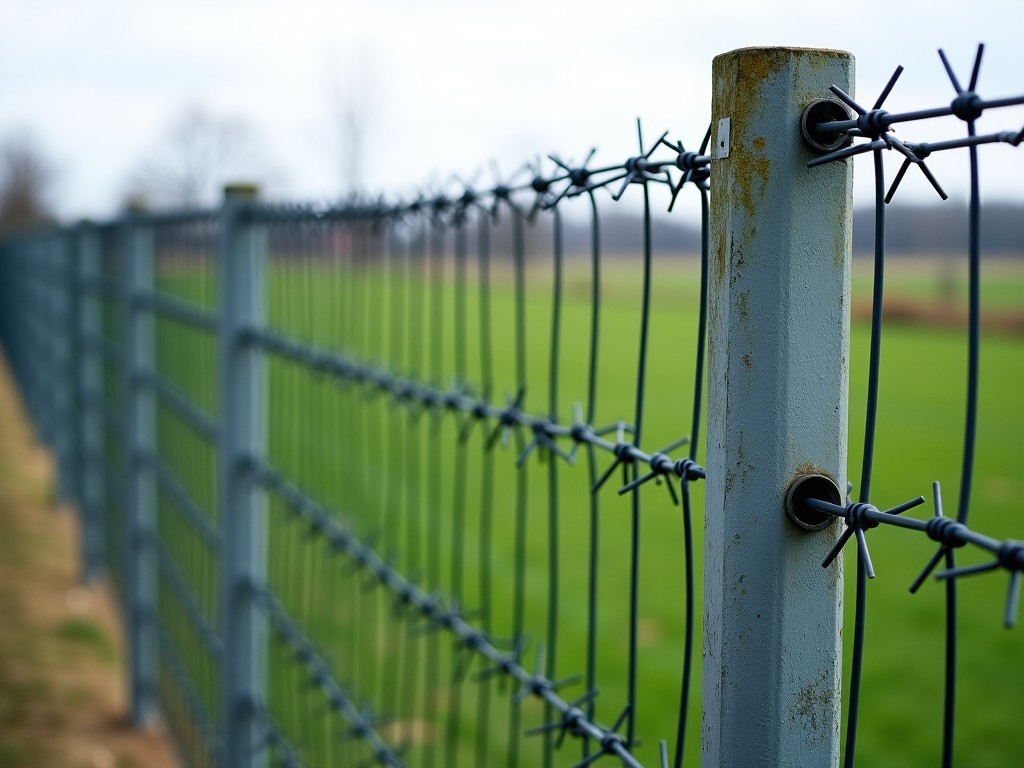
Razor Barbed Wire Fence Installation: Technical Overview
Installing razor barbed wire fence requires precise engineering considerations to ensure long-term effectiveness and safety. Unlike standard fencing, razor wire systems demand specific tensioning, anchoring, and alignment protocols due to their high-tensile steel construction and sharp profile geometry. Proper installation directly impacts deterrence performance, structural integrity, and service life—often exceeding 20 years when executed correctly. This guide outlines critical technical factors for procurement managers and field engineers evaluating razor wire fence deployment.
Material Selection and Structural Properties
Razor barbed wire is manufactured from cold-drawn high-carbon steel wire, typically grade SAE 1008 or equivalent, with tensile strength ranging from 1700 to 2000 MPa. The razor tape itself is formed from 0.5mm thick stainless steel (AISI 304) or galvanized steel strip, punched and twisted into helical barbs with a pitch of 25–30mm. Core wire diameter varies between 2.5mm and 3.0mm, directly influencing break strength and sag resistance over long spans. Galvanization coating weight averages 275 g/m² (Zn) for corrosion protection in outdoor environments.
Installation Methodology and Tensioning Requirements
Installation begins with setting line posts at intervals not exceeding 3.0 meters for standard security applications, reduced to 2.5 meters in high-risk zones. Posts must be embedded to a depth of at least 0.6 times their above-ground height, concreted in place with a minimum compressive strength of 20 MPa. Razor wire is then stretched between posts using specialized strainers, achieving initial tension of 1.5–2.0 kN to compensate for thermal contraction and creep. Over-tensioning beyond 2.5 kN risks permanent deformation of the razor tape, reducing effectiveness.
Anchor Systems and Load Distribution
Terminal assemblies require robust anchoring to handle concentrated loads. Corner and end posts utilize concrete foundations with embedded anchor plates or helical ground screws rated for uplift resistance exceeding 15 kN. Intermediate posts use brace-and-wire systems or diagonal struts to transfer lateral loads to the ground. Without proper load distribution, posts may lean or pull out over time, especially in areas with freeze-thaw cycles or sandy soil conditions. All connections use galvanized or stainless steel fasteners to prevent corrosion at stress points.
Height Configuration and Overlap Specifications
Standard razor wire fence height ranges from 1.8 to 2.4 meters above ground, with multiple strands installed in concentric or staggered configurations. Overlap between adjacent rolls must be at least 500mm to prevent gap formation during thermal expansion or wind-induced movement. Each strand is secured to posts using purpose-built brackets that allow vertical adjustment while maintaining lateral restraint. For enhanced deterrence, a 45-degree overhang arm can be added, extending the effective barrier width by 0.6 meters.
Environmental and Safety Considerations
Installation must account for local environmental factors: UV exposure degrades polymeric coatings over time, necessitating UV-stabilized materials in high-sun regions; coastal installations require marine-grade stainless steel (AISI 316) to resist chloride-induced corrosion. Safety during installation is critical—workers must wear puncture-resistant gloves and eye protection due to the wire’s laceration risk. Post-installation, warning signs are required at intervals not exceeding 10 meters in accessible areas to meet occupational safety standards in most jurisdictions.
Quality Control and Inspection Points
Post-installation verification includes tension measurement using a calibrated dynamometer, alignment checks via laser level or string line, and visual inspection of all connections for proper fastener torque (typically 25–30 Nm for M10 bolts). Sag between posts should not exceed 50mm under no-load conditions. Any damaged razor tape must be replaced immediately, as kinks or cuts reduce tensile strength by up to 40%. Documentation of installation parameters is recommended for maintenance planning and liability purposes.
| Parameter | Typical Range | Inspection Method |
|---|---|---|
| Wire Tensile Strength | 1700–2000 MPa | Mill Test Certificate |
| Installation Tension | 1.5–2.0 kN | Dynamometer Reading |
| Post Spacing | 2.5–3.0 m | Tape Measure / Laser |
| Overlap Length | ≥500 mm | Visual / Caliper |
| Galvanization Weight | 275 g/m² (Zn) | Coating Thickness Gauge |
Successful razor barbed wire fence installation depends on adherence to engineering principles rather than generic procedures. Each site presents unique variables—soil composition, wind load, corrosion risk, and required security level—that influence post depth, tensioning strategy, and material choice. Cutting corners on anchoring or tensioning may reduce initial costs but invariably leads to premature failure, increased maintenance, and compromised security. Engineers should treat installation as a structural system, not a peripheral task.
For project-specific guidance on razor wire fence design, material selection, or installation procedures, contact our technical team to discuss your site requirements.
Request Technical Consultation
Product Categories


Send Inquiry
If you are interested in our products, leave your information here and we will be in touch shortly.