Razor Wire Mesh Fence Price Factory Price
Razor wire mesh fence combines high-tensile steel wire with sharp barbed elements to create a physical deterrent for perimeter security. Unlike conventional chain-link or welded mesh, this system
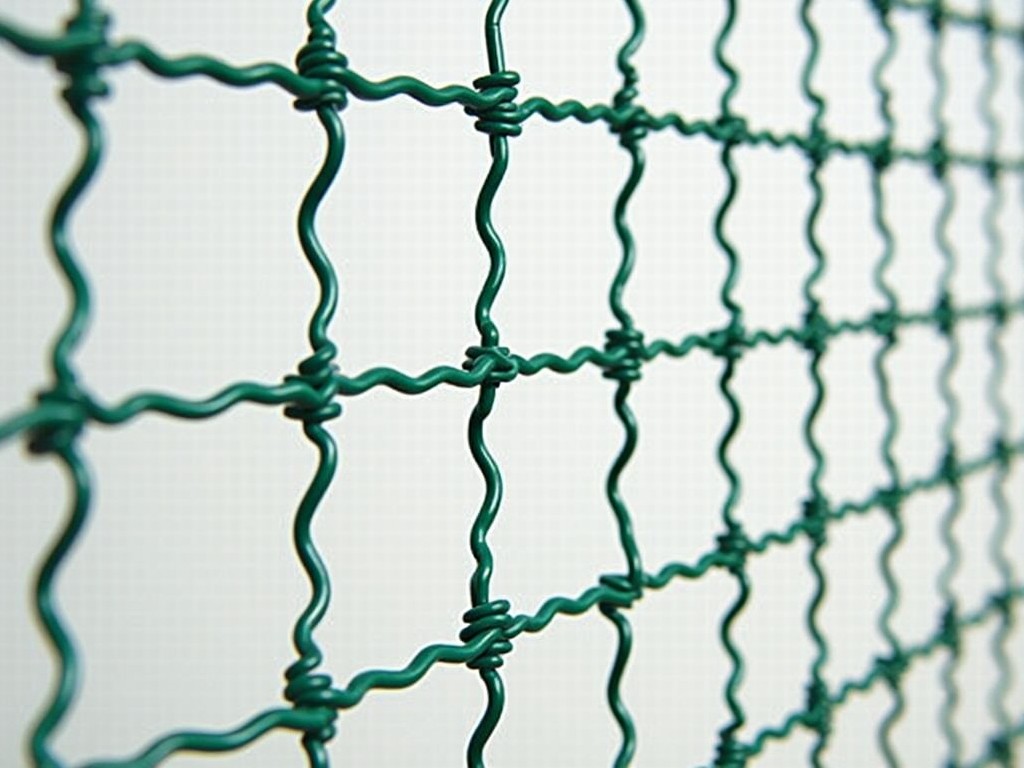
Razor Wire Mesh Fence: Factory Price and Technical Specifications
Razor wire mesh fence combines high-tensile steel wire with sharp barbed elements to create a physical deterrent for perimeter security. Unlike conventional chain-link or welded mesh, this system integrates razor tape or barbed wire directly into the mesh structure, eliminating gaps where intruders might gain foothold. The factory price reflects material efficiency, standardized production, and direct manufacturer pricing without intermediary markups.
Industrial buyers evaluate razor wire mesh fence based on tensile strength, corrosion resistance, installation practicality, and long-term maintenance requirements. Understanding these technical parameters reduces procurement uncertainty and ensures the selected solution meets site-specific threat levels and environmental conditions.
Material Composition and Mechanical Properties
The core structural wire is typically low-carbon steel wire, cold-drawn to diameters between 2.0mm and 3.0mm, with tensile strength ranging from 350 MPa to 550 MPa depending on grade and drawing process. This provides sufficient rigidity to maintain mesh integrity under tension while allowing flexibility during installation. The razor tape is manufactured from 0.5mm thick galvanized steel strip, pressed into helical barbs with a pitch of 10–15mm and a height of 8–12mm.
Galvanization coating weights vary from 60 g/m² (electrogalvanized) to 275 g/m² (hot-dip galvanized), directly influencing service life in corrosive environments. For coastal or industrial zones, zinc-aluminum alloy coatings (Zn-Al 5% or 11%) offer extended durability, with typical lifespans exceeding 15 years compared to 5–8 years for standard hot-dip galvanizing in similar conditions.
Mesh aperture sizes are engineered to balance visibility, climb resistance, and material efficiency. Common configurations include 50mm × 50mm, 75mm × 75mm, and 100mm × 100mm square openings. Smaller apertures increase material usage and cost but reduce foothold opportunities, while larger apertures improve visibility and reduce wind load but may allow smaller tools or hands to penetrate.
Factory Price Structure and Cost Drivers
Factory price for razor wire mesh fence is primarily determined by three variables: wire diameter, coating type, and mesh geometry. A 2.5mm wire with 60 g/m² electrogalvanizing in 75mm × 75mm mesh typically ranges from $3.20 to $4.50 per square meter ex-factory. Increasing wire diameter to 3.0mm raises material cost by approximately 20–25%, while upgrading to Zn-Al 11% coating adds 35–45% to the base price due to raw material and processing complexity.
Mesh aperture size inversely affects cost per unit area: 50mm × 50mm mesh uses roughly 40% more steel than 100mm × 100mm mesh for the same coverage, directly increasing material expenses. Razor tape density—measured as meters of tape per square meter of mesh—also impacts pricing; standard configurations use 1.8–2.2 meters of tape per m², with higher-density options (up to 3.0 m/m²) increasing cost by 15–25% for enhanced deterrence.
Volume discounts apply at scale: orders exceeding 5,000 m² typically receive 8–12% off base pricing, while orders over 20,000 m² may qualify for 15–20% reductions. These thresholds reflect optimized raw material procurement, reduced machine changeover time, and improved labor efficiency in continuous production lines. Custom lengths, heights, or special end finishes (e.g., bent-over tops, welded frames) incur additional setup fees but do not alter the per-square-meter material cost significantly once tooled.
Installation Considerations and Accessories
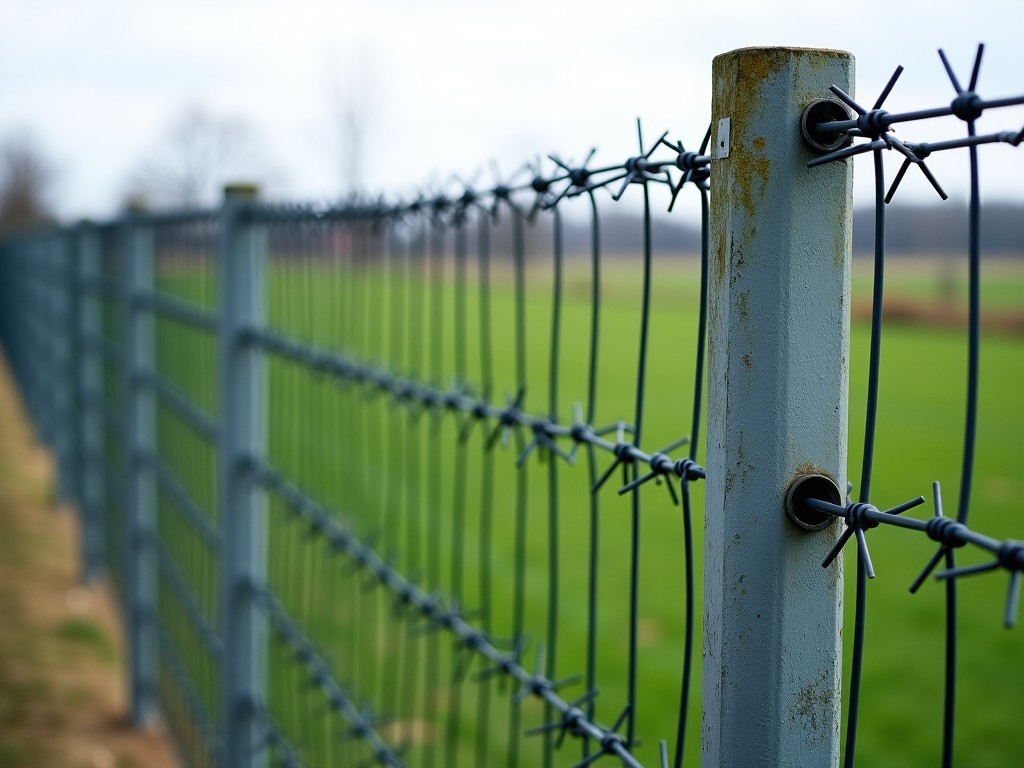
Proper installation requires tensioning the mesh between terminal posts using straining wires, barbed wire overlays, or integrated tension cables. Terminal posts should be minimum 60mm diameter galvanized steel pipe, set in concrete to a depth of 600–900mm depending on soil conditions and wind exposure. Line posts are spaced at 2.5–3.0 meter intervals for standard heights (1.8m–2.4m), reducing to 2.0m for taller installations or high-wind zones.
Accessories include tensioners (ratchet or screw type), binding wire (1.6mm–2.0mm galvanized), barbed wire for top-mounted overlays, and corrosion-resistant fasteners. For uneven terrain, the mesh can be fabricated in pre-bent panels or installed with adjustable brackets to maintain consistent height and tension. Ground clearance should be maintained at 50–100mm to prevent debris accumulation and facilitate vegetation control.
Installation labor costs vary regionally but typically represent 30–40% of total project expenditure. Factory-precut panels to exact site dimensions reduce on-site cutting and welding, lowering labor time by approximately 25% compared to field-fabricated systems. Manufacturers often provide installation guides and technical support to ensure correct tensioning and alignment, which directly impacts long-term performance and safety.
Comparison Table: Razor Wire Mesh Fence Variants
| Specification | Standard Galvanized | Zn-Al Coated | Stainless Steel (304) |
|---|---|---|---|
| Wire Diameter | 2.5 mm | 2.5 mm | 2.5 mm |
| Coating Type | Hot-dip Galvanized (60–275 g/m²) | Zn-Al 11% | Austenitic Stainless Steel |
| Tensile Strength (Wire) | 400–500 MPa | 400–500 MPa | 500–650 MPa |
| Expected Lifespan (Industrial) | 5–8 years | 12–18 years | 20+ years |
| Relative Cost (Base = 1.0) | 1.0 | 1.4 | 2.8 |
| Best Suited For | General perimeter, low-corrosion zones | Coastal, industrial, high-humidity areas | Marine, chemical plants, critical infrastructure |
Quality Control and Testing Protocols
Manufacturing quality control begins with incoming wire inspection, verifying diameter tolerance (±0.05mm), tensile strength, and elongation percentage via tensile testing machines. Coating thickness is measured using magnetic or eddy current gauges at multiple points per coil, with minimum average values meeting ASTM A123 or EN ISO 1461 standards for hot-dip galvanizing. Razor tape dimensions—barb height, pitch, and strip thickness—are checked using calibrated gauges and optical comparators to ensure consistency.
Finished mesh undergoes tensile testing on full-width samples to validate joint strength between structural wire and razor tape, typically requiring minimum 80% of base wire tensile strength at the bond points. Visual inspection checks for uniformity of tape spacing, absence of loose barbs, and proper mesh alignment. For bulk orders, random sampling protocols (e.g., ISO 2859-1) are applied, with acceptable quality levels (AQL) set at 0.65% for critical defects and 2.5% for minor defects.
Packaging includes waterproof wrapping and steel banding to prevent deformation during transit. Each bundle is labeled with product code, dimensions, coating type, batch number, and quantity. Mill test certificates (MTRs) are available upon request, detailing chemical composition, mechanical properties, and coating weights for each production lot. These documents support traceability and compliance with project specifications.
Applications in Industrial and Infrastructure Sectors
Razor wire mesh fence is deployed in high-security perimeters where climb resistance and visual deterrence are critical. In petrochemical facilities, it surrounds storage tanks and processing units, preventing unauthorized access to hazardous zones while allowing visibility for surveillance. The open mesh design reduces wind load compared to solid barriers, minimizing structural stress on support posts in exposed coastal or elevated installations.
Correctional facilities use razor wire mesh fence atop existing walls or as standalone barriers to prevent escape attempts. The combination of sharp barbs and rigid mesh creates a dual obstacle: the tape inflicts injury on contact, while the mesh resists cutting and climbing. In military installations, it secures perimeters around ammunition storage, command centers, and airfields, often integrated with motion sensors and CCTV for layered defense.
Transportation infrastructure such as railways, highways, and airports employs razor wire mesh fence to deter trespassing and vandalism. Along railway rights-of-way, it prevents livestock and unauthorized personnel from accessing tracks, reducing accident risks. At airports, it secures perimeter zones without obstructing radar signals or creating wildlife hazards, meeting ICAO and FAA guidelines for airport perimeter security.
For detailed quotations, technical drawings, or sample requests, contact our technical sales team. Provide project specifications including height, length, coating preference, and site conditions to receive an accurate factory price and lead time.
Product Categories


Send Inquiry
If you are interested in our products, leave your information here and we will be in touch shortly.