Split Rail Fence With Wire Mesh Cost
Understanding the total cost of a split rail fence with wire mesh requires evaluating material choices, installation variables, and long-term performance requirements. This page explains the
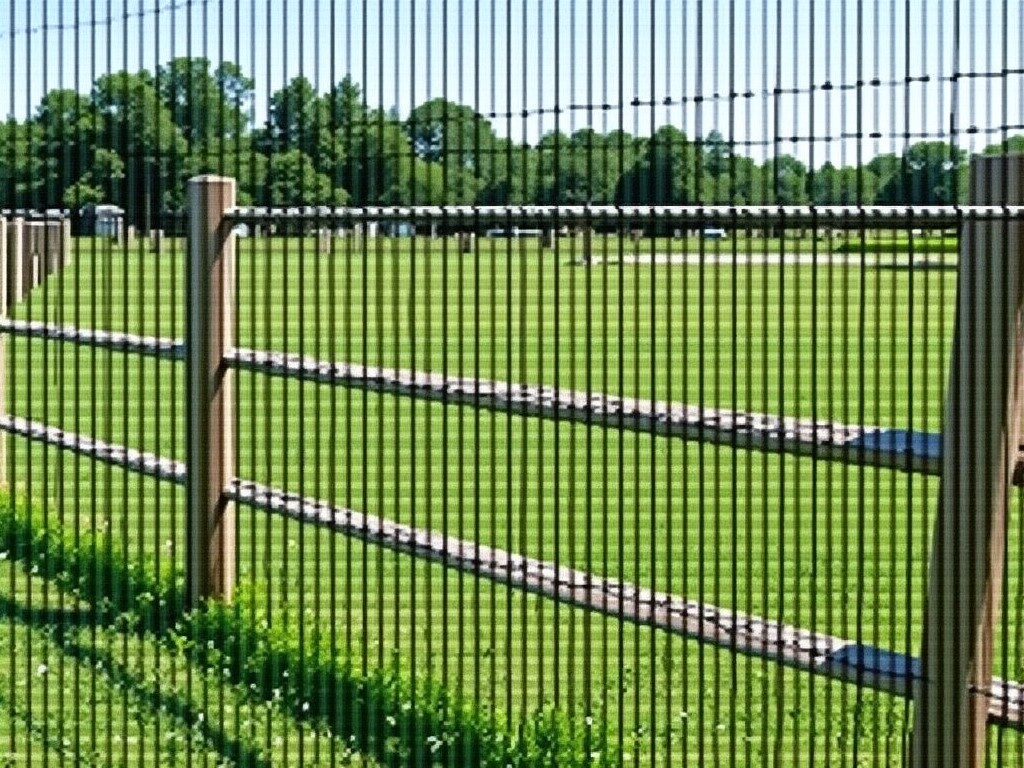
Split Rail Fence with Wire Mesh: Cost Factors and Technical Specifications
Understanding the total cost of a split rail fence with wire mesh requires evaluating material choices, installation variables, and long-term performance requirements. This page explains the engineering and logistical factors that influence pricing for industrial, agricultural, and security applications.
Material Composition and Durability Characteristics
The split rail component is typically constructed from pressure-treated southern yellow pine or naturally durable cedar, selected for resistance to decay and insect damage. Pressure treatment extends service life to 15–25 years in ground contact, while untreated cedar offers 10–15 years with minimal maintenance. Rail dimensions commonly range from 3.5 to 5.5 inches in diameter, with lengths of 8 or 10 feet to accommodate standard post spacing.
The wire mesh infill is usually galvanized steel with a zinc coating weight of G90 or higher, providing corrosion resistance in outdoor environments. Mesh openings vary from 1x1 inch for small animal containment to 2x4 inch for livestock or perimeter delineation. Wire gauge typically ranges from 14 to 16, balancing tensile strength (approximately 60,000–75,000 psi) with flexibility for installation.
Installation Variables Affecting Total Cost
Post setting method significantly influences labor and material expenses. Concrete-set posts increase upfront cost by 20–30% but reduce long-term maintenance by minimizing post movement. Alternatively, tamped gravel or crushed stone bases offer adequate stability for temporary or low-load applications at lower initial cost. Post spacing is generally 8 or 10 feet, directly affecting the number of rails, posts, and mesh panels required per linear foot.
Terrain adaptation adds complexity: sloped ground requires stepped or racked rail installation, increasing labor time by 15–25%. Obstacles such as trees, rocks, or existing utilities necessitate custom routing, which may require additional materials and skilled labor. Accessibility for equipment also impacts pricing—remote or confined sites may increase installation time by 20–40% due to manual handling requirements.
Typical Cost Ranges by Configuration
| Configuration | Material Cost (USD/linear ft) | Installed Cost (USD/linear ft) |
|---|---|---|
| Pressure-treated pine rails, 1x1" mesh, galvanized wire | $8–$12 | $18–$28 |
| Cedar rails, 2x4" mesh, galvanized wire | $10–$15 | $22–$35 |
| Pressure-treated rails, PVC-coated mesh (green or black) | $12–$18 | $25–$40 |
| Custom height (6ft+), reinforced posts, heavy-gauge mesh | $18–$28 | $35–$55+ |
Installed cost includes posts, rails, mesh, fasteners, concrete (if used), and labor. Site preparation, permits, and removal of existing fencing are typically excluded and quoted separately. Geographic location affects labor rates, with urban areas often 15–25% higher than rural averages.
Long-Term Value and Maintenance Considerations
While initial material cost is a primary concern, total cost of ownership depends on maintenance frequency and expected service life. Pressure-treated rails require periodic inspection for ground-line rot, though modern treatments minimize this risk. Cedar rails may need surface sealing every 3–5 years to maintain appearance and weather resistance, adding approximately $0.50–$1.00 per linear foot annually in maintenance.
Galvanized wire mesh typically requires no maintenance for 10–15 years in non-corrosive environments. In coastal or industrial zones with high chloride or sulfur exposure, PVC-coated or stainless steel mesh (available upon request) extends service life to 20+ years, justifying higher initial cost through reduced replacement frequency. Fasteners should be hot-dip galvanized or stainless steel to prevent staining and premature failure.
Customization Options and Project-Specific Factors
Rail profile can be customized—half-round, full-round, or sawn square—affecting both aesthetics and material usage. Mesh attachment methods include U-nails, staples, or welded clips, with welded clips offering superior resistance to vibration and animal impact at a 10–15% premium. Gates matching the fence system add $150–$400 per opening, depending on size, hardware, and whether they include self-closing mechanisms or livestock-friendly designs.
For high-security or wildlife exclusion applications, additional features such as buried mesh aprons (to prevent digging) or angled top extensions increase cost by 20–40% but significantly improve effectiveness. These modifications require engineering review to ensure structural integrity and proper load distribution across posts and rails.
Product Categories


Send Inquiry
If you are interested in our products, leave your information here and we will be in touch shortly.