Temporary Fence Gate Panel Factory Price
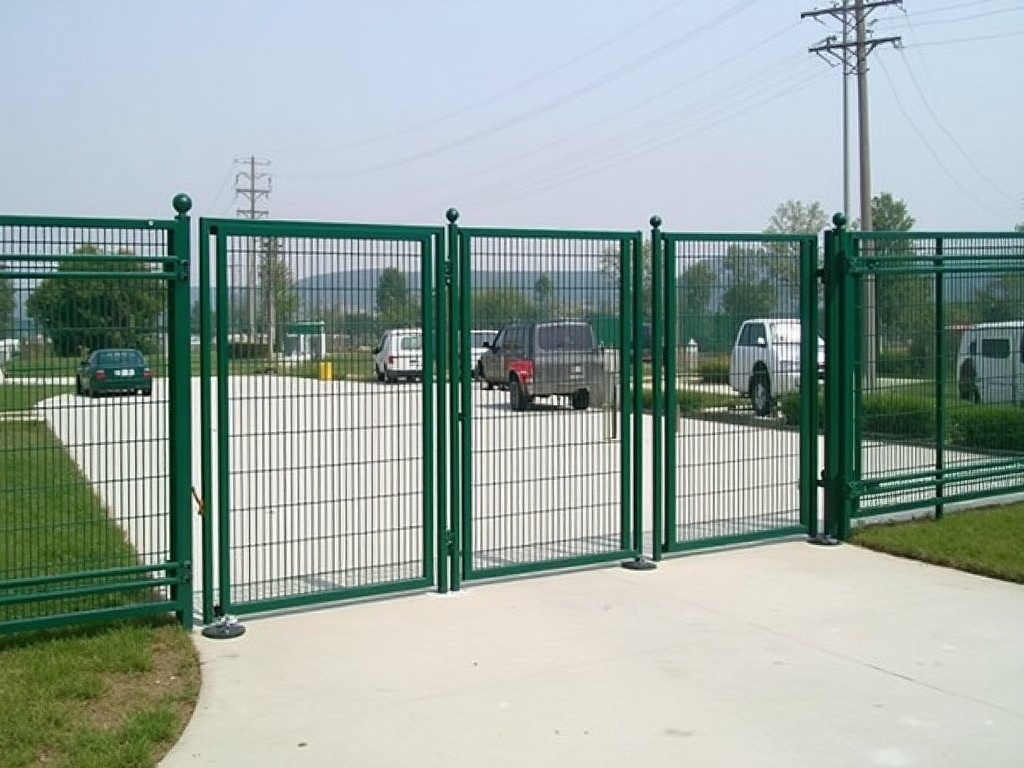
Temporary fence gate panels serve as controlled access points within perimeter security systems for construction sites, event venues, and industrial facilities. Unlike standard fence panels, gate
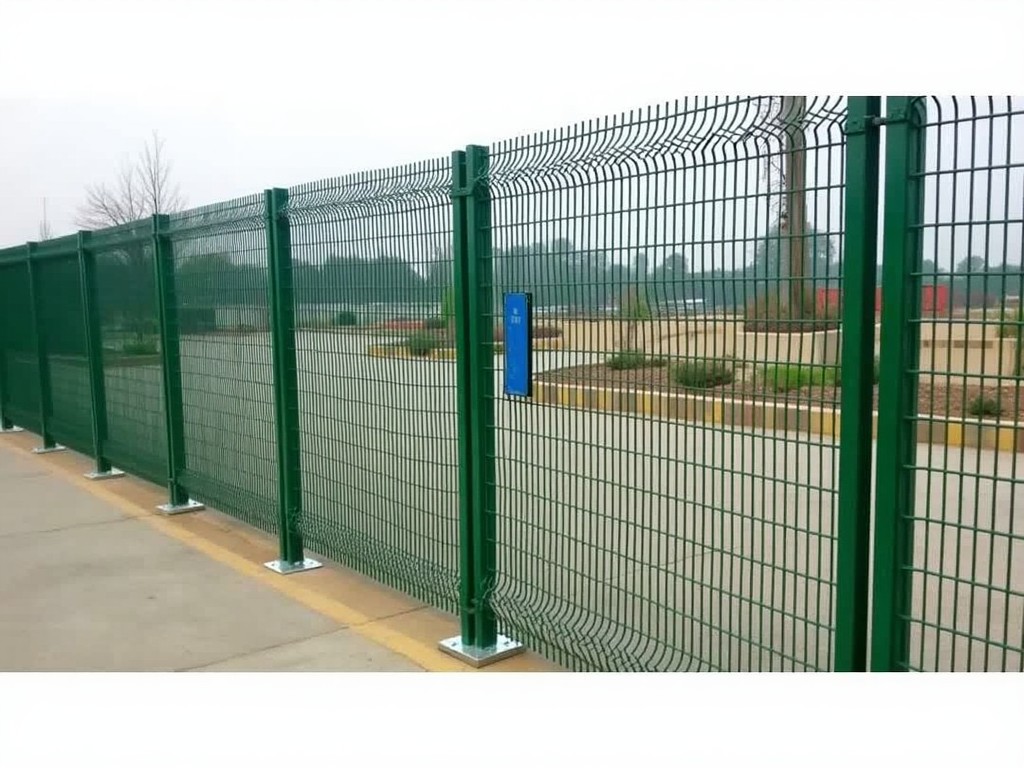
Temporary Fence Gate Panel: Factory Price Engineering Specifications
Temporary fence gate panels serve as controlled access points within perimeter security systems for construction sites, event venues, and industrial facilities. Unlike standard fence panels, gate assemblies must accommodate repeated operational cycles while maintaining alignment, structural integrity, and locking reliability under variable environmental loads. Understanding the engineering trade-offs between material selection, connection design, and hardware specifications is essential for procurement teams evaluating total lifecycle cost rather than initial purchase price alone.
Factory pricing for temporary fence gate panels reflects material consumption, fabrication complexity, and hardware integration—not merely commodity steel rates. Buyers who request pricing without specifying operational requirements (gate width, expected cycles, wind exposure, security level) often receive quotes based on minimal configurations that fail under real-world conditions. This page details the technical parameters that genuinely influence factory pricing, enabling informed comparisons between suppliers.
Structural Design Parameters Affecting Factory Cost
Gate panel pricing begins with frame geometry. Standard temporary fence gates range from 1.0m to 4.0m clear opening width, with corresponding increases in material usage and reinforcement requirements. A 2.0m single-leaf gate typically uses 40mm x 40mm x 2.0mm square tube for vertical stiles and top rail, while widths exceeding 2.5m require 50mm x 50mm x 2.5mm profiles or additional intermediate stiles to limit deflection under wind load.
Diagonal bracing configuration significantly impacts both cost and performance. Simple corner brackets suffice for low-wind, low-cycle applications (<10 cycles/day), but gates in exposed locations or high-cycle zones (>50 cycles/day) require adjustable turnbuckle bracing or gusset plates to maintain square alignment. Each additional brace adds approximately 0.8kg of steel and 3-4 welding operations, directly increasing factory labor and material costs.
Bottom guide systems represent a frequently overlooked cost variable. Basic nylon rollers mounted on a U-channel add ~15% to fabrication time versus fixed ground plates, but reduce wear on uneven surfaces and prevent lateral displacement during operation. For temporary installations where ground preparation is limited, adjustable roller assemblies with vertical travel (±25mm) provide better long-term value despite higher initial cost.
Material Selection and Surface Treatment Implications
Base material selection drives the largest variance in factory pricing. Hot-dip galvanized steel (Z275 coating) remains the most common specification for temporary fence gates, offering 5-7 years of service in moderate climates at a baseline cost. However, gate panels experience concentrated wear at hinges and latches—areas where coating damage accelerates corrosion initiation.
Upgrading to galvannealed steel (ZF75/ZF100) improves paint adhesion and weldability without significantly increasing base material cost, reducing long-term maintenance at hinge points. For coastal or industrial environments, specifying minimum Z450 galvanization or duplex systems (galvanized + epoxy primer) adds 18-22% to material cost but extends service life by 40-60% in chloride-exposed conditions.
Stainless steel (Grade 304) gate panels are rarely specified for temporary applications due to 300-400% material cost premium, but become economically justified in specific scenarios: food processing zones requiring frequent washdown, chemical storage areas with acidic vapors, or projects where gate panels are reused across multiple sites over 5+ years. Factory pricing for stainless versions includes additional TIG welding time and specialized handling to prevent contamination.
Hardware Specification and Operational Lifecycle Cost
Hinge and latch hardware typically represent 25-35% of total gate panel factory cost but determine 80% of operational reliability. Standard temporary fence gates use adjustable butt hinges with 16mm diameter pins and grease nipples, rated for 25,000 cycles. Pricing increases non-linearly with cycle rating: 50,000-cycle hinges add ~40% cost, while 100,000-cycle industrial grade hinges (with sealed bearings and stainless pins) can double the hardware expense.
Latching mechanisms vary from simple gravity drops to key-lockable latch boxes with anti-lift protection. A basic drop rod latch adds ~$8-12 to factory cost, whereas a tamper-resistant latch with hardened steel cylinder and drill-resistant housing increases hardware cost by $25-35. For sites requiring access control integration, electric strike preparations add conduit routing and mounting plate fabrication, increasing labor time by 20-30 minutes per gate.
Wind load ratings directly influence hardware selection and frame reinforcement. Gates rated for 100 km/h wind speeds require deeper hinges (minimum 25mm projection), reinforced latch keepers, and often additional mid-span rollers. Factory pricing must account for these incremental additions—omitting them to achieve lower quotes creates field failure risks that far exceed initial savings.
Factory Price Comparison Table: Configuration Variables
| Specification Parameter | Base Configuration | Upgraded Configuration | Typical Price Impact |
|---|---|---|---|
| Gate Width (Clear Opening) | 1.5m Single Leaf | 3.0m Double Leaf | +85-110% |
| Frame Material | 40x40x2.0mm SQ Tube, Z275 Galv | 50x50x2.5mm SQ Tube, Z450 Galv | +60-75% |
| Hinge Type | Adjustable Butt, 25k Cycles | Sealed Bearing, 100k Cycles | +90-120% |
| Latching System | Gravity Drop Rod | Key-Lockable Anti-Lift Box | +200-250% |
| Bottom Guide | Fixed Ground Plate | Adjustable Nylon Roller (±25mm) | +30-40% |
The table above illustrates how factory pricing scales with technical specifications—not arbitrary "quality" levels. A 3.0m double-leaf gate with Z450 galvanization, industrial hinges, and secure latching may cost 2.8-3.5x more than a basic 1.5m single-leaf version, but delivers proportional increases in service life, operational reliability, and reusability across projects. Procurement teams should request quotes based on defined technical specifications rather than open-ended "factory price" inquiries to receive comparable, actionable data.
Volume pricing applies non-linearly to temporary fence gate panels. While standard fence panels show linear cost reduction with quantity (e.g., 10% discount at 100 units), gate panels exhibit step-function pricing due to setup time amortization. The first 5-10 gates of a specific configuration carry disproportionate setup labor (jig preparation, hardware kitting, welding program validation), making small batches significantly more expensive per unit. Orders of 20+ identical gate configurations typically achieve 15-25% effective unit cost reduction versus quantities under 10.
Quality Control Points Affecting Long-Term Value
Factory pricing that omits quality control considerations often results in higher field failure costs. Critical inspection points for temporary fence gate panels include: hinge pin-to-bore clearance (target 0.2-0.3mm for smooth operation without sag), diagonal measurement difference (<5mm to confirm square alignment), coating continuity at welds (holiday testing to 500V minimum), and latch engagement depth (>80% of strike plate thickness).
Weld quality directly impacts gate longevity and safety. Temporary fence gates undergo cyclic loading that propagates defects at stress concentrations. Factory pricing should include visual inspection (100% of welds), dye penetrant testing on critical joints (hinge plates, latch mounts), and bend tests on representative samples to verify ductility. Skipping these steps to reduce apparent cost risks incomplete fusion or porosity that manifests as sudden failure after limited use.
Galvanization thickness verification represents another frequently omitted quality check. While suppliers may quote Z275 coating, actual thickness varies across the panel due to drainage effects during dipping. Factory pricing that includes minimum local thickness measurements (using magnetic induction probes) at corners, welds, and edges ensures compliance with specifications. Non-uniform coating below 180µm in critical areas significantly reduces corrosion resistance, particularly at hinge points where mechanical wear combines with environmental exposure.
Applications Driving Specification Requirements
Construction site perimeter gates experience different loading patterns than event venue access points, directly influencing optimal specification and factory pricing strategy. Construction gates typically endure fewer daily cycles (5-15) but higher impact loads from vehicle bumping and material handling, favoring heavier gauge frames (50x50x2.5mm) with robust hinges over high-cycle components. The abrasive environment also benefits from thicker galvanization (Z350+) to withstand concrete splash and stone chip erosion.
Event and crowd control gates prioritize cycle life and smooth operation over impact resistance. These applications commonly see 50-200 cycles per day during peak periods, making hinge bearing quality and latch smoothness critical to prevent bottlenecks and safety hazards. Lighter frames (40x40x2.0mm) with premium sealed-bearing hinges often provide better lifetime value here than over-engineered construction-grade versions, as wind loads are typically lower and impact events less frequent.
Industrial facility temporary gates (e.g., maintenance outages, facility expansions) require consideration of chemical exposure and temperature extremes. Gates near cooling towers or chemical storage areas may need specialized coatings beyond standard galvanization, while those in climates with >40°C summer temperatures experience accelerated lubricant degradation in hinges. Factory pricing for these applications must account for material upgrades or specialized lubricants (molybdenum disulfide or silicone-based) that maintain performance across the expected temperature range.
Procurement engineers seeking accurate temporary fence gate panel pricing should prepare the following technical specifications before requesting quotes: clear opening width and height, expected daily operational cycles, wind exposure rating (basic/standard/high), required security level (public access/restricted/controlled), ground surface condition (uneven/paved/soft), and environmental factors (coastal/industrial/temperature extremes). Providing these parameters enables factories to generate comparable, application-specific pricing that reflects true value rather than speculative minimums.
For detailed quotation assistance with project-specific temporary fence gate panel specifications, contact our technical sales team to discuss your application requirements.
Product Categories


Send Inquiry
If you are interested in our products, leave your information here and we will be in touch shortly.