Temporary Pool Safety Fence Source Factory
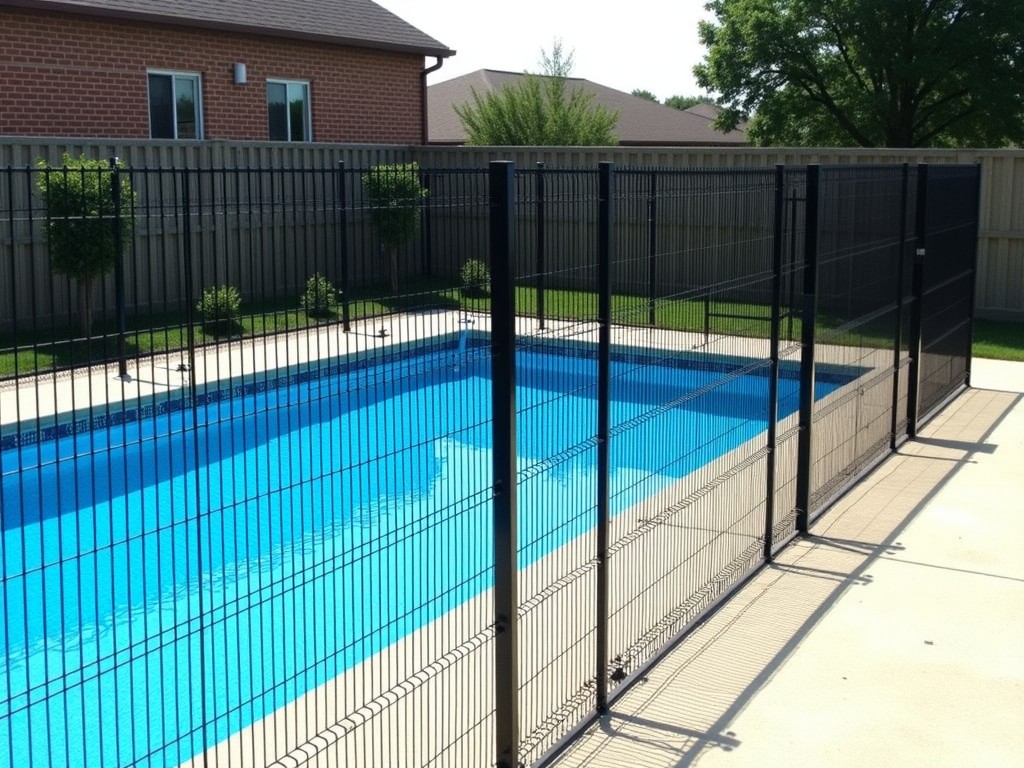
Temporary pool safety fences serve as critical barriers designed to prevent unsupervised access to swimming pools, particularly for children and pets. Unlike permanent installations, these systems
Temporary Pool Safety Fence Source Factory
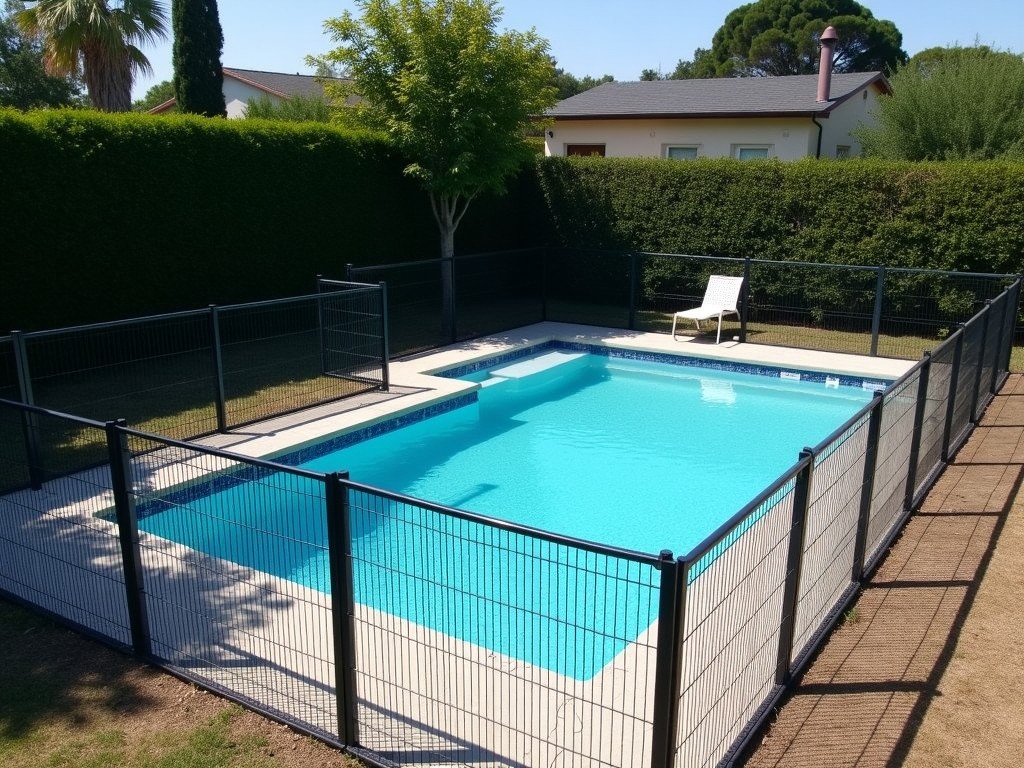
Temporary pool safety fences serve as critical barriers designed to prevent unsupervised access to swimming pools, particularly for children and pets. Unlike permanent installations, these systems are engineered for rapid deployment, disassembly, and reuse across seasonal or short-term applications. A source factory specializing in such products focuses on standardized manufacturing processes that ensure dimensional consistency, material traceability, and compliance with regional safety codes such as ASTM F2286 or EN 13200-3. Understanding the technical specifications and production capabilities of a source factory enables buyers to evaluate suitability beyond marketing claims, aligning procurement with actual site risks and operational constraints.
Core Design Parameters for Temporary Pool Safety Fences
The effectiveness of a temporary pool safety fence hinges on three interdependent design parameters: minimum height, maximum gap size, and structural stability under lateral load. Most international guidelines mandate a minimum finished height of 48 inches (1220 mm) from the ground to the top of the barrier, measured on the pool side. Vertical picket spacing must not exceed 4 inches (102 mm) to prevent sphere passage, while the gap between the bottom rail and finished grade is typically limited to 2 inches (51 mm) or less to deter crawling underneath. These dimensions are not arbitrary; they are derived from biomechanical studies of child climbing and crawling behaviors, forming the basis for performance testing protocols.
Structural stability is evaluated through standardized load tests, where the fence must resist a specified horizontal force (commonly 50 lbs or 222 N) applied at various points without permanent deformation or disengagement of components. This requirement ensures the barrier remains effective even if impacted by a running child or accidental bump. Source factories achieve this through engineered connection systems—such as self-locking ground sleeves, weighted base plates, or tensioned mesh designs—that distribute loads without relying on permanent anchoring. The choice of connection method directly influences setup time, reusability, and suitability for different substrates like concrete, grass, or sand.
Material Selection and Environmental Durability
Material choice for temporary pool safety fences balances UV resistance, corrosion performance, weight, and recyclability. Common options include powder-coated aluminum extrusions, UV-stabilized PVC copolymers, and marine-grade polyethylene mesh. Aluminum offers high strength-to-weight ratio and inherent corrosion resistance, with powder coating adding UV protection and color stability—typically retaining >80% color intensity after 1000 hours of ASTM G154 UV exposure. PVC components are formulated with titanium dioxide and HALS stabilizers to resist chalking and embrittlement, critical for prolonged sun exposure in outdoor pool environments.
Mesh infill, when used, is commonly made from HDPE or polypropylene with denier ratings between 1100 and 1600 dtex, providing tear strength exceeding 50 lbs/inch while maintaining visibility. Unlike permanent steel fences, temporary systems avoid ferrous materials prone to rust staining on pool decks. Instead, non-metallic fasteners and UV-resistant nylon or polypropylene ties are used to secure panels. Factories often provide material data sheets detailing accelerated weathering test results, allowing buyers to compare long-term performance expectations across suppliers. Recyclability is also a growing consideration; single-material constructions (e.g., all-aluminum or all-PVC) simplify end-of-life processing compared to hybrid designs.
Manufacturing Consistency and Quality Control at the Source
As a source factory, production control begins with raw material certification—verifying alloy composition for aluminum or melt flow index for polymers before extrusion. Dimensional tolerances for extruded profiles are typically held to ±0.5 mm for critical interfaces like picket-to-rail connections, ensuring consistent engagement during assembly. Weld-free designs are preferred for temporary systems to avoid heat-affected zone weakening; instead, mechanical fastening via snap-fit, tongue-and-groove, or cam-lock mechanisms is employed, with retention forces validated through cycle testing (e.g., 1000 assembly/disassembly cycles without loss of holding strength).
Quality control includes 100% visual inspection for surface defects, dimensional sampling per batch using calibrated fixtures, and functional testing of locking mechanisms under simulated environmental stress (e.g., -20°C to +60°C temperature cycling). Factories may also conduct batch-specific UV exposure tests on sample coupons to validate stabilizer effectiveness. Traceability is maintained via batch codes linked to material certificates and test reports, enabling root-cause analysis if field performance deviates from expectations. This level of control is difficult to achieve in assembly-only operations that source components from multiple unverified suppliers.
Customization Logic for Project-Specific Deployment
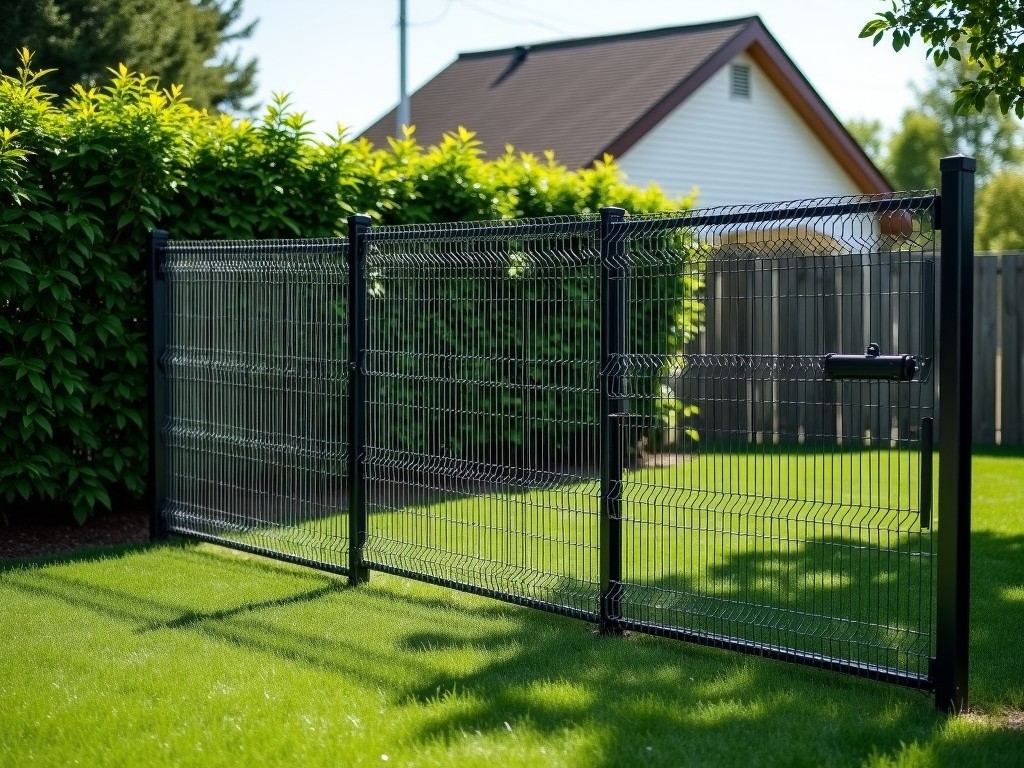
While standardized dimensions ensure baseline safety compliance, source factories accommodate project-specific needs through modular design logic rather than bespoke fabrication. Panel widths are commonly offered in 4 ft (1220 mm) and 6 ft (1830 mm) increments, allowing users to conform to irregular pool geometries by combining standard sections. Gate widths, when required, are typically designed as 36-inch (915 mm) clear openings with self-closing hinges and magnetic latches that meet the same structural standards as the fence itself. Height extensions are achievable via add-on top rails or overlapping panel designs, though any modification must be re-evaluated against the 4-inch sphere rule and load requirements.
Color options are limited to UV-stable pigments integrated during extrusion or powder coating—common choices include white, black, tan, and gray—selected not for aesthetics but for thermal stability and visibility contrast against pool surfaces. Custom labeling or warning decals can be applied via screen printing or adhesive backing, but these do not alter structural properties. Factories provide DXF or STEP files for panel interfaces upon request, enabling integration with temporary decking or shading systems. True customization remains constrained by the need to maintain interchangeability, batch consistency, and certification validity across all units.
Typical Specifications and Configurations
| Parameter | Typical Value or Range | Notes |
|---|---|---|
| Finished Height | 48 in (1220 mm) minimum | Measured from finished grade to top of barrier on pool side |
| Maximum Picket Spacing | 4 in (102 mm) | Based on 4-inch sphere rule to prevent child passage |
| Bottom Clearance | ≤2 in (51 mm) | To deter crawling underneath; may vary with substrate |
| Panel Width Options | 4 ft (1220 mm), 6 ft (1830 mm) | Modular; custom widths available upon requote |
| Material: Uprights/Rails | Powder-coated aluminum (6063-T5) | Alternative: UV-stabilized PVC copolymer |
| Material: Infill (if mesh) | HDPE, 1100–1600 dtex | Tear strength >50 lbs/inch; UV-stabilized |
| Wind Load Rating | Typically 90 mph (3-second gust) | Dependent on anchoring method and soil conditions |
| Operating Temperature | -20°C to +60°C (-4°F to +140°F) | Based on material stabilization limits |
Applications: Why Temporary Over Permanent?
Temporary pool safety fences are not merely convenience items; they address specific risk scenarios where permanent barriers are impractical or prohibited. Seasonal facilities—such as resort pools, community centers, or vacation rentals—require protection only during operating months, making permanent installation economically inefficient and visually intrusive. In rental properties, tenants may be restricted from altering structural elements, necessitating a non-damaging, removable solution. Events like film shoots, sports tournaments, or public exhibitions often involve temporary pool installations where compliance with local health and safety codes mandates barrier use, but only for the duration of the activity.
Furthermore, temporary systems enable phased safety implementation during pool construction or renovation. Contractors use them to secure incomplete pools against unauthorized access while work proceeds, removing sections as needed for equipment access and reinstalling them at day’s end. This adaptability reduces liability exposure without delaying project timelines. Factories design for this cycle—prioritizing corrosion resistance from construction-site splashes (e.g., concrete slurry, paint overspray) and ease of cleaning after repeated assembly. The value lies not in reusability alone, but in maintaining certified performance characteristics across dozens of deployment cycles.
Sourcing Considerations: Evaluating a Source Factory
When assessing a source factory for temporary pool safety fences, buyers should look beyond price and lead time to evaluate technical depth. Request material certificates (e.g., aluminum mill test reports, polymer grade documentation) and inquire about in-house testing capabilities—do they perform UV exposure, impact, or load testing on-site, or rely solely on third-party reports? Ask for sample panels to verify dimensional consistency and locking mechanism feel; a well-engineered system will engage with positive, repeatable force without requiring excessive manipulation. Inquire about batch traceability: can they link a specific panel to its raw material lot and test results?
Evaluate the factory’s understanding of regional standards—do they reference ASTM F2286, BOCA, or local health department codes in their documentation? A factory that treats compliance as a checklist item rather than a design input may lack the engineering rigor needed for reliable performance. Finally, consider scalability: can they maintain consistent quality across large orders, and do they offer configurable kits (e.g., with gates, corner posts, or ground stakes) that reduce on-site assembly errors? A true source partner provides not just product, but technical assurance that reduces procurement uncertainty.
Product Categories


Send Inquiry
If you are interested in our products, leave your information here and we will be in touch shortly.