Wholesale Temporary Fencing Cost Per Metre
Understanding the cost structure of temporary fencing requires analyzing material specifications, panel dimensions, connection methods, and logistical factors that influence pricing at scale. For
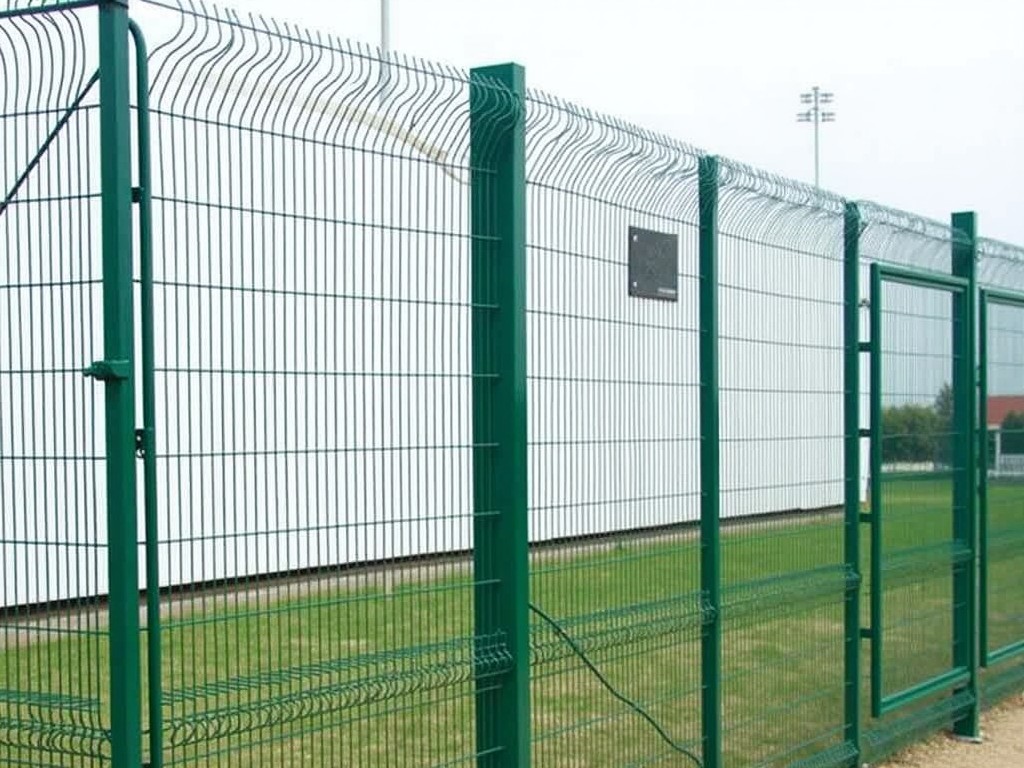
Wholesale Temporary Fencing: Cost Per Metre
Understanding the cost structure of temporary fencing requires analyzing material specifications, panel dimensions, connection methods, and logistical factors that influence pricing at scale. For procurement managers evaluating bulk purchases, the cost per metre is not a fixed value but a function of engineered variables that affect durability, installation efficiency, and lifecycle performance.
Material selection directly impacts both initial cost and long-term value. Hot-dip galvanized steel with a minimum zinc coating of 60g/m² provides corrosion resistance suitable for outdoor exposure over 6–12 months, while powder-coated variants add UV stability and aesthetic consistency at a 15–20% premium. The wire mesh gauge—typically 4.0mm or 4.5mm for verticals and 3.0mm–3.5mm for horizontals—determines resistance to deformation under wind load or impact, with thicker gauges increasing material cost per metre by approximately 8–12% per 0.5mm increment.
Panel height and width are critical dimensional variables. Standard temporary fencing panels range from 2.0m to 2.4m in height and 2.0m to 2.5m in width, directly affecting the linear metre calculation. A 2.4m high panel uses roughly 20% more steel than a 2.0m version, increasing cost per metre proportionally. However, wider panels (e.g., 2.5m vs 2.0m) reduce the number of feet and clamps required per linear metre, lowering installation-related costs and partially offsetting material increases.
Connection hardware significantly influences total installed cost per metre. Plastic feet with steel inserts offer lightweight handling but may creep under sustained load, while cast iron or recycled rubber feet provide greater stability at higher unit cost. Coupling systems vary: single-clamp designs reduce part count but offer less lateral resistance than double-clamp or fork-and-socket mechanisms, which add 10–15% to hardware cost but improve alignment and reduce rework during installation.
Logistical factors scale non-linearly with volume. At wholesale quantities (typically 500+ linear metres), economies of scale reduce per-metre cost through optimized material cutting, batch welding, and consolidated packaging. However, freight costs per metre can rise with panel height due to increased volumetric weight—particularly for 2.4m panels—making regional sourcing a consideration for large projects. Offloading equipment requirements (e.g., forklift access) also affect total project cost but are external to the fencing unit price.
Typical Wholesale Cost Ranges (Per Metre)
| Specification | Cost Range (USD/m) | Notes |
|---|---|---|
| 2.0m high, 4.0mm verticals, plastic feet, single clamp | $8.50 – $10.50 | Base economy option; suitable for short-term, low-wind sites |
| 2.4m high, 4.5mm verticals, powder-coated, cast iron feet, double clamp | $14.00 – $17.50 | Enhanced durability and stability; preferred for extended use or public exposure |
| Custom height (1.8m–3.0m), galvanized + PVC coating, rubber feet | $12.00 – $20.00+ | Fully customizable; pricing depends on coating thickness, foot type, and order volume |
Volume thresholds significantly affect unit pricing. Orders below 200 linear metres typically incur a 20–30% surcharge due to setup inefficiencies, while volumes exceeding 1,000 metres may unlock additional discounts of 5–10% through streamlined production runs and reduced handling. These breaks are not linear but occur at operational milestones in manufacturing and logistics.
Surface treatment longevity should be evaluated against project duration. Standard hot-dip galvanizing provides sacrificial protection for 6–18 months in temperate climates, whereas a duplex system (galvanizing + powder coating) can extend effective life to 24–36 months, reducing replacement frequency and long-term cost per metre of service. For coastal or industrial environments, zinc-aluminum alloy coatings (e.g., Galvalume®-equivalent) offer superior performance but are available only upon request due to higher material cost and minimum order requirements.
Installation efficiency contributes to effective cost per metre. Panels with pre-attached feet and color-coded couplings reduce on-site labor time by up to 25% compared to loose-component systems. While this does not alter the fencing unit price, it lowers total project expenditure and should be factored into procurement decisions when comparing suppliers.
For accurate wholesale quotations, suppliers require project-specific details: total linear metres, panel height, expected duration, site conditions (wind exposure, ground type), and delivery timeline. Providing these parameters enables precise cost modelling that avoids over-engineering or under-specification—both of which increase total cost of ownership.
Request a Detailed Quotation
Product Categories


Send Inquiry
If you are interested in our products, leave your information here and we will be in touch shortly.