Wire Mesh Fence Installation
Wire mesh fence installation involves more than securing panels to posts. It requires understanding load distribution, environmental exposure, and long-term structural integrity. This guide explains
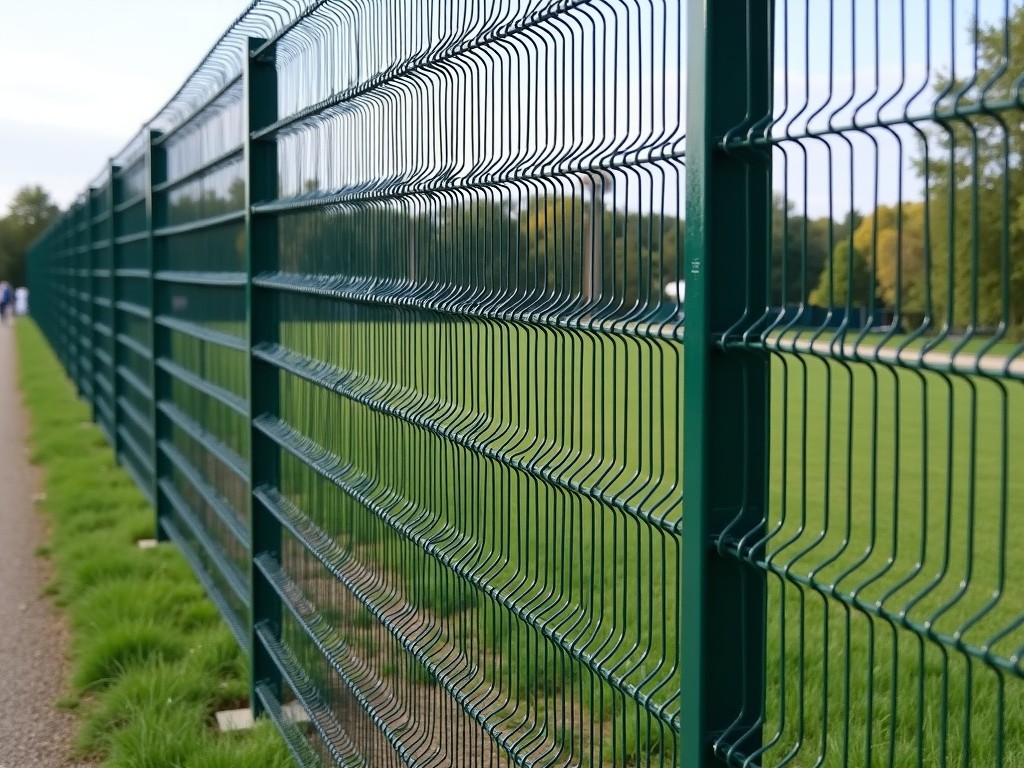
Wire Mesh Fence Installation: Technical Guide for Industrial Applications
Wire mesh fence installation involves more than securing panels to posts. It requires understanding load distribution, environmental exposure, and long-term structural integrity. This guide explains the engineering considerations that affect performance in demanding industrial settings.
Each installation decision impacts maintenance frequency, safety compliance, and lifecycle cost. We detail the technical factors that procurement engineers and facility managers should evaluate before specifying a system.
From material selection to tensioning methods, the following sections break down critical installation practices based on real-world industrial requirements.
Material Properties Influencing Installation Method
The choice of wire mesh material directly determines the required installation technique. Galvanized steel mesh with a zinc coating weight of 275 g/m² exhibits different elongation characteristics under load compared to PVC-coated or stainless steel variants.
For example, 2mm diameter galvanized wire has a typical tensile strength of 550 MPa and elongates approximately 8% at break. This affects how much tension can be safely applied during stretching without causing permanent deformation.
Stainless steel mesh (grade 304) offers higher corrosion resistance but lower yield strength (~215 MPa), requiring more frequent intermediate supports to prevent sagging over spans exceeding 3 meters.
Post Selection and Embedment Depth Requirements
Post stability depends on embedment depth, soil conditions, and lateral load resistance. In industrial settings, wind loads and potential impact forces necessitate deeper foundations than residential applications.
For standard 2.4m high wire mesh fences in compacted soil, a minimum embedment depth of 600mm is recommended using concrete encasement. In sandy or loose soils, this increases to 900mm with a concrete collar extending 150mm above grade.
Steel posts should have a minimum wall thickness of 2.5mm and be hot-dip galvanized to match the mesh lifespan. Using undersized posts leads to premature bending under tension, compromising fence alignment and security.
Tensioning Systems and Load Distribution
Proper tensioning prevents sagging and maintains barrier integrity. Wire mesh should be stretched to achieve uniform tension across the entire panel, typically between 800N and 1200N for 2mm galvanized wire, depending on aperture size and height.
Tension bars threaded through the end mesh loops, combined with ratchet tensioners or straining wires, provide adjustable and measurable force application. Avoid over-tensioning, which can exceed the wire’s elastic limit and cause necking or fracture.
Intermediate tension wires at 1/3 and 2/3 height reduce panel deflection. For fences over 30m in length, expansion joints every 15m accommodate thermal movement, preventing buckling in temperature extremes.
Attachment Methods and Hardware Specifications
The method of attaching mesh to posts affects both installation speed and long-term performance. Hog rings, while fast, create stress concentrations that can lead to wire fatigue at connection points.
Using U-bolts with nylon washers or specialized mesh clamps distributes load over a wider area, reducing localized wear. For high-vibration environments, such as near heavy machinery, locking washers or thread-locking compounds are recommended on all fasteners.
All hardware should be stainless steel (grade 304 or 316) in corrosive environments to prevent galvanic corrosion when paired with galvanized mesh. M8 U-bolts with a proof load of 12kN are standard for 2.4m high installations.
Environmental and Site-Specific Considerations
Industrial sites often present unique challenges: chemical exposure, electrical grounding requirements, or proximity to flammable materials. These factors influence both material choice and installation details.
In areas with high humidity or salt spray, stainless steel mesh (grade 316) is preferred despite higher cost, as it eliminates the need for protective coatings that can degrade. For electrical substations, non-conductive PVC-coated mesh may be required to prevent accidental grounding.
Ground clearance should be maintained at 50mm to prevent moisture accumulation and corrosion at the base. In snow-prone regions, increasing clearance to 150mm reduces ice buildup and post loading.
Quality Control and Inspection Points
Post-installation verification ensures the fence meets design specifications. Key inspection points include post verticality (within 2°), tension uniformity, and correct hardware torque.
Use a tension meter to validate wire strain at multiple points along the fence line. Acceptable variation should not exceed ±15% from the target value. Inspect all connections for proper seating and absence of wire damage.
Check for proper drainage at post bases and ensure no standing water accumulates. Document installation details, including date, crew, materials used, and environmental conditions, for future maintenance planning.
| Parameter | Typical Value | Acceptable Range |
|---|---|---|
| Post embedment depth (compacted soil) | 600mm | 500–700mm |
| Wire tension (2mm galvanized) | 1000N | 800–1200N |
| Maximum post spacing | 3.0m | 2.5–3.5m |
| Ground clearance | 50mm | 50–150mm |
| U-bolt torque (M8, stainless) | 18Nm | 15–22Nm |
Applications in Industrial Facilities
Wire mesh fencing is selected in industrial environments where visibility, airflow, and lightweight containment are required. Unlike solid barriers, it allows for visual monitoring of secure areas while preventing unauthorized access.
Common applications include perimeter security around substations, equipment yards, and storage areas for non-hazardous materials. In manufacturing plants, it separates pedestrian walkways from vehicle routes without creating visual obstructions.
The open structure reduces wind load compared to solid panels, making it suitable for exposed locations. Additionally, its transparency aids in surveillance camera effectiveness and lightning dissipation in outdoor electrical installations.
For technical specifications, customization options, or to discuss your project requirements, contact our engineering team.
Request Technical Consultation
Product Categories


Send Inquiry
If you are interested in our products, leave your information here and we will be in touch shortly.