B2B Mesh Welding Machine Price
Understanding the price of a B2B mesh welding machine requires analyzing the engineering specifications, production requirements, and operational parameters that directly affect manufacturing cost.
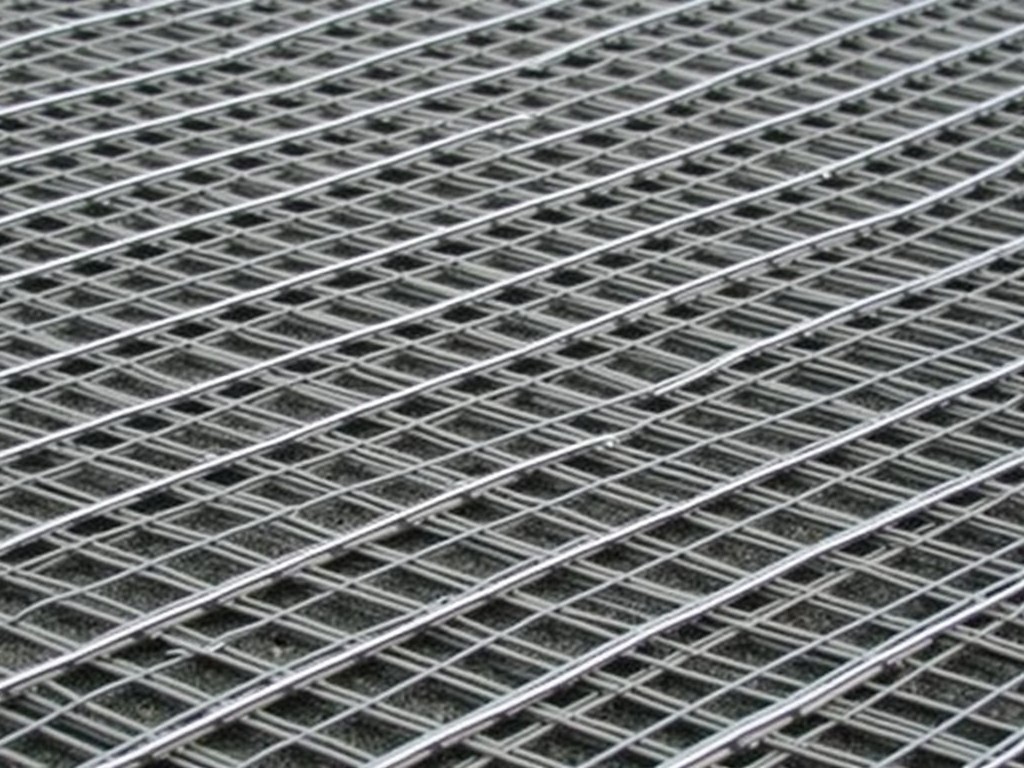
B2B Mesh Welding Machine Price: Technical Factors Influencing Cost
Understanding the price of a B2B mesh welding machine requires analyzing the engineering specifications, production requirements, and operational parameters that directly affect manufacturing cost. This page explains the key variables that determine pricing, helping procurement teams evaluate options based on technical fit rather than marketing claims.
Core Technical Specifications That Affect Price
The foundation of any mesh welding machine price lies in its core technical parameters. Wire diameter range, mesh opening size, welding speed, and electrode configuration are primary drivers. Machines capable of welding wire diameters from 2.0mm to 8.0mm typically cost more than those limited to 2.0mm–5.0mm due to heavier transformers, reinforced frames, and higher clamping forces. Similarly, mesh opening sizes below 25x25mm require finer electrode positioning and faster cycle times, increasing control system complexity and cost.
Welding speed, measured in welds per minute, directly impacts productivity and machine cost. A machine rated for 60 welds/minute requires faster servo response, higher power supplies, and advanced thermal management compared to a 30 welds/minute unit. Electrode material (copper-chromium vs. pure copper), cooling method (water vs. air), and transformer duty cycle (60% vs. 100%) further differentiate performance and price points.
Automation and Control System Complexity
The level of automation significantly influences price. Semi-automatic machines with manual wire feeding and mesh removal are less expensive than fully automatic systems featuring synchronized wire straightening, cutting, feeding, and stacker mechanisms. Programmable logic controllers (PLCs) with touchscreen interfaces, recipe storage for multiple mesh patterns, and real-time weld monitoring add cost but reduce operator dependency and improve consistency.
Advanced control features such as adaptive weld current adjustment based on wire resistance feedback, electrode wear compensation, and fault diagnostics increase initial cost but lower long-term scrap rates and maintenance needs. Machines with IEC 61508 SIL 2 safety certification for emergency stops and light curtains add to the price but meet stringent industrial safety requirements.
Frame Construction and Mechanical Design
The machine’s structural integrity affects both price and lifespan. Frames constructed from welded steel plates with stress-relieved annealing resist vibration-induced fatigue better than bolted assemblies. Linear guides and ball screws for wire positioning systems are more expensive than plain bearings but provide micron-level accuracy essential for tight-tolerance mesh. Anti-corrosion treatments (e.g., zinc plating, powder coating) on frames and guards increase cost but extend service life in humid or chemically exposed environments.
Modular designs that allow future upgrades—such as adding a second welding head or integrating with a conveyor system—may have a higher base price but reduce total cost of ownership over time. Quick-change tooling systems for electrode replacement also add initial cost but minimize downtime during maintenance.
Power Supply and Electrical Infrastructure
The welding transformer’s power rating (kVA) and duty cycle are critical cost factors. A 100 kVA transformer with 60% duty cycle costs less than a 150 kVA unit with 100% duty cycle, but the latter supports continuous operation without overheating. Three-phase input voltage compatibility (380V–480V) is standard, but machines requiring neutral or specific grounding configurations may need additional electrical work during installation.
Power factor correction (PFC) circuits and soft-start modules reduce electrical stress on factory grids and may be required by local utilities, adding to the machine price. Energy recovery systems that capture inductive kickback during welding cycles are uncommon but available on high-end models, improving efficiency at a premium.
Typical Price Ranges Based on Configuration
| Configuration Tier | Wire Diameter Range | Welding Speed | Automation Level | Typical Price Range (USD) |
|---|---|---|---|---|
| Entry-Level | 2.0–5.0 mm | 20–30 welds/min | Semi-automatic | $18,000–$28,000 |
| Mid-Range | 2.0–6.5 mm | 30–50 welds/min | Semi-auto with auto-feed | $28,000–$45,000 |
| High-End | 2.0–8.0 mm | 50–80 welds/min | Fully automatic + stacker | $45,000–$75,000+ |
Note: Prices are indicative and vary based on regional taxes, freight, installation, and optional features such as remote diagnostics, spare parts kits, or extended warranties. Exact pricing requires a technical quotation based on your specific mesh dimensions, wire type, and production volume.
Customization Options That Impact Final Cost
Beyond standard configurations, several customization options influence the final price. Custom electrode shapes for non-standard wire profiles (e.g., deformed or flattened wire) require specialized machining. Integration with existing MES or SCADA systems via Modbus TCP or OPC UA adds engineering effort and cost. Custom mesh stackers designed for specific bundle weights or pallet configurations are priced per design complexity.
Environmental adaptations—such as dust-proof enclosures for outdoor use, corrosion-resistant materials for coastal environments, or explosion-proof wiring for hazardous areas—can increase cost by 15–40%. Longer power cables, specialized plugs, or voltage transformers for non-standard site power also add to the total.
Evaluating Total Cost of Ownership
Purchase price is only one component of total cost. Energy consumption per weld joint, electrode wear rate, maintenance frequency, and expected machine lifespan significantly affect long-term value. A higher-priced machine with 30% lower energy use per weld and double the electrode life may offer better ROI over 5 years. Requesting detailed energy consumption data (kWh/1000 welds) and maintenance schedules from suppliers enables accurate TCO comparison.
Spare parts availability, local service support, and training inclusion in the quoted price also affect operational readiness. Machines with standardized, globally sourced components reduce downtime risk compared to those with proprietary parts.
Requesting a Technical Quotation
To receive an accurate B2B mesh welding machine price, prepare the following technical details: required mesh opening size and wire diameter, wire material (steel, stainless steel, galvanized), daily production volume, desired automation level, facility power specifications (voltage, phase, grounding), and any environmental constraints. Providing a sample mesh drawing or specification sheet helps suppliers recommend the correct model and avoid over- or under-specification.
Avoid requesting price based solely on vague terms like “medium size” or “high speed.” Instead, specify exact parameters to ensure comparable quotes. Technical sales engineers use this data to calculate transformer sizing, electrode force, cycle time, and control system requirements—all of which directly determine cost.
Product Categories


Send Inquiry
If you are interested in our products, leave your information here and we will be in touch shortly.