Buy 2 Inch Square Welded Wire Mesh
Two-inch square welded wire mesh is a standard grid configuration used across industrial, agricultural, and construction applications where uniform opening size and structural consistency are
Buy 2 Inch Square Welded Wire Mesh
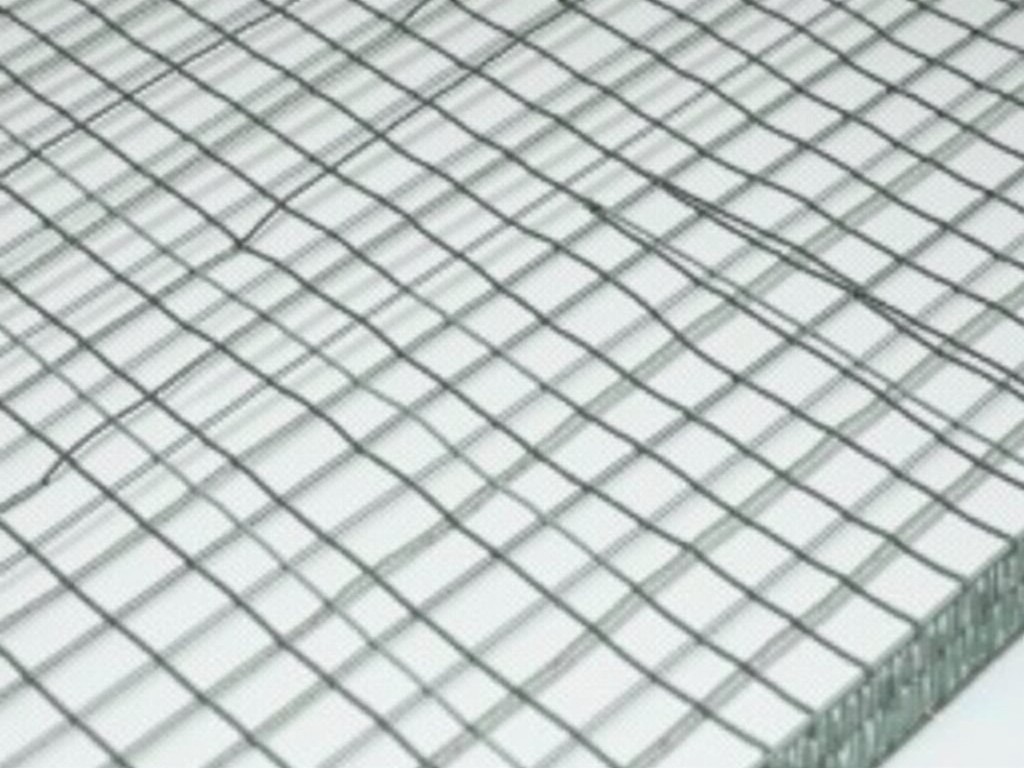
Two-inch square welded wire mesh is a standard grid configuration used across industrial, agricultural, and construction applications where uniform opening size and structural consistency are required. The 2" x 2" spacing provides a balance between material efficiency and load distribution, making it suitable for barriers, reinforcement, and containment systems. This page explains the technical characteristics, material options, and selection criteria for purchasing this product type.
Wire Diameter and Material Selection
The mechanical performance of 2" square welded wire mesh depends primarily on the wire diameter and base material. Common wire gauges range from 0.120" (11 AWG) to 0.250" (1/4") depending on load requirements. Lower carbon steel (C1008–C1010) is typical for general use, while galvanized or stainless steel variants are selected for corrosion resistance. Wire diameter directly affects tensile strength, weld shear capacity, and deflection under load—specifying the correct gauge prevents over-engineering or premature failure.
Weld Integrity and Mesh Stability
In welded wire mesh, the strength at each intersection is critical to long-term performance. Resistance welding creates a fused joint where the wire cross-sections are metallurgically bonded, not merely mechanically intertwined. Proper weld penetration ensures the joint strength approaches that of the parent wire, minimizing the risk of separation under stress. Mesh stability—resistance to sagging or distortion—is influenced by weld consistency, wire tension during weaving, and post-weld stress relief. Buyers should verify weld quality through visual inspection and, if required, mechanical testing per ASTM A185/A497.
Coating Options and Corrosion Protection
Corrosion protection extends service life in outdoor or humid environments. Hot-dip galvanizing (per ASTM A123) applies a zinc coating typically ranging from 1.2 to 2.5 oz/ft², providing sacrificial protection. Electro-galvanizing offers thinner, more uniform coatings for applications where appearance or tight tolerances matter. Stainless steel grades (304, 316) eliminate the need for coatings but increase material cost. PVC or powder coating over galvanized wire adds a barrier layer for chemical resistance or color coding, though adhesion quality and UV stability must be evaluated for long-term exposure.
Standard Roll and Panel Dimensions
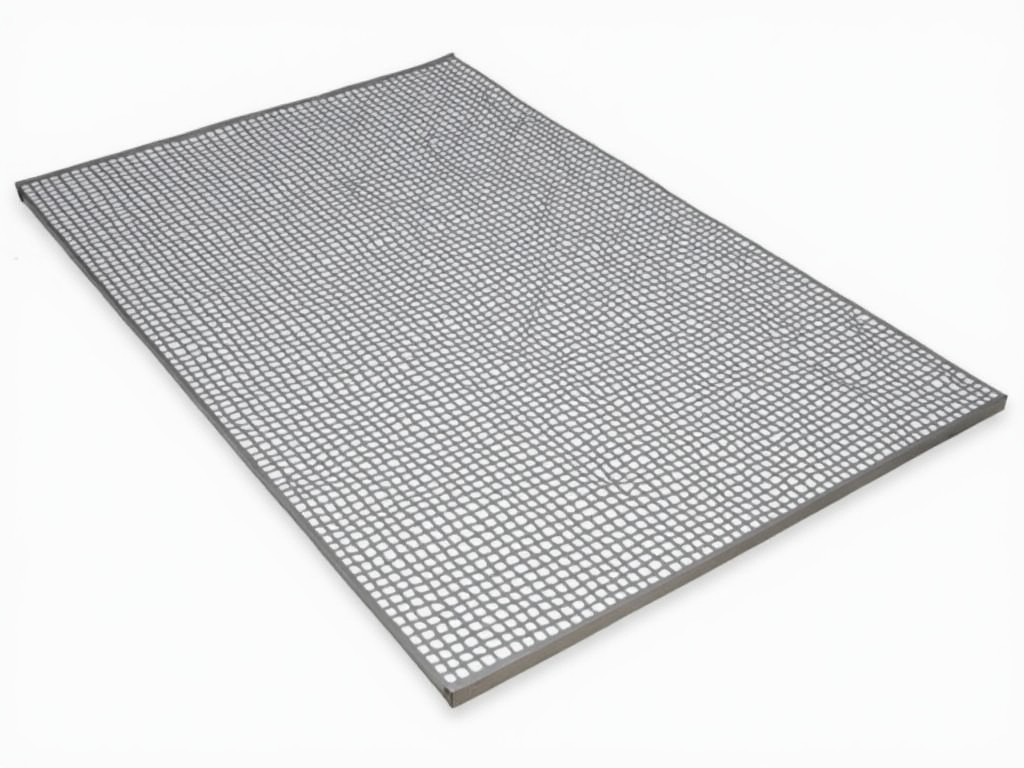
2" square welded wire mesh is commonly supplied in rolls or flat panels to facilitate handling and installation. Standard roll widths are 24", 36", 48", and 60", with lengths ranging from 50 to 150 feet depending on wire gauge and material. Flat panels are typically 4' x 8' or 5' x 10', though custom sizes are available. Knowing the required dimensions helps minimize waste and labor during cutting and fitting. For large-scale projects, specifying roll length and width reduces splice points and improves installation efficiency.
Applications and Load Considerations
The 2" opening size makes this mesh ideal for applications requiring both containment and visibility. In concrete reinforcement, it serves as light-duty rebar alternative in slabs, walls, and precast elements where crack control is the primary goal. In agricultural fencing, it contains small to medium livestock while allowing airflow and light penetration. Machine guards and safety barriers use this mesh to prevent contact with moving parts without obstructing monitoring. Load calculations should account for wind pressure, impact forces, or soil retention depending on the installation orientation and support spacing.
Customization and Tolerances
While 2" square is a nominal dimension, actual opening size may vary slightly due to wire diameter and welding tension. Tolerances typically range from ±1/8" to ±1/4" depending on the manufacturing process. Customization options include varying wire diameters in the warp and fill directions, adding edge wires for reinforcement, or specifying non-standard roll widths. Buyers should provide exact requirements—including material grade, coating type, dimensions, and edge treatment—to receive accurate quotations and avoid mismatches during fabrication.
Quality Control and Testing
Consistent quality begins with raw material verification and continues through production. Wire diameter is checked via micrometer or laser gauges. Weld strength is validated through spot testing using tensile or peel methods. Coating thickness is measured with magnetic or eddy current probes. Visual inspection checks for missed welds, uneven tension, or surface defects. For critical applications, buyers can request mill test reports, coating certification, or third-party inspection before shipment. Defining acceptance criteria upfront reduces the risk of non-conforming goods.
Packaging and Handling
Proper packaging prevents damage during transit and storage. Rolls are typically wrapped in polyethylene film and secured with straps or placed in corrugated cores to maintain shape. Flat panels are stacked on pallets with edge protectors and covered with water-resistant sheeting. Heavy-gauge mesh may require steel banding or wooden crates. Handling considerations include avoiding sharp bends that could weaken welds and storing rolls vertically to prevent sagging. Clearly marked labels with size, material, and quantity simplify inventory management and reduce picking errors.
Comparison Table: Material Options
| Material Type | Corrosion Resistance | Typical Use Case | Relative Cost |
|---|---|---|---|
| Low Carbon Steel (Uncoated) | Low | Indoor, dry environments | Lowest |
| Hot-Dip Galvanized Steel | Medium-High | Outdoor fencing, concrete reinforcement | Low-Medium |
| Stainless Steel 304 | High | Food processing, chemical exposure | Medium-High |
| Stainless Steel 316 | Very High | Marine, chloride-rich environments | Highest |
Before finalizing a purchase, confirm the supplier’s ability to provide traceable material certifications, consistent weld quality, and accurate dimensional control. Request samples or mill reports if the application involves structural safety or regulatory compliance. Clearly communicate installation method, environmental exposure, and expected service life to ensure the selected mesh meets performance expectations. For technical assistance with specifications or quotation preparation, contact the supplier directly.
Ready to specify your 2 inch square welded wire mesh?
Provide your project requirements for a detailed quotation and technical review.
Request Quotation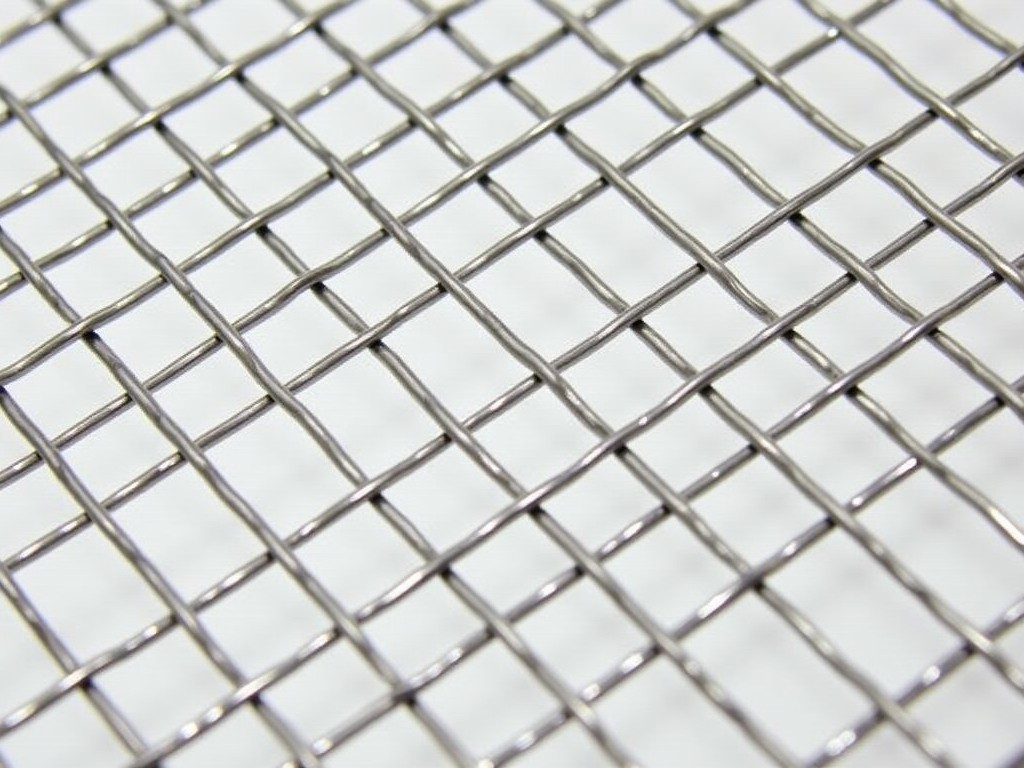
Product Categories


Send Inquiry
If you are interested in our products, leave your information here and we will be in touch shortly.