Buy Stainless Steel Wire Mesh Roll
Stainless steel wire mesh rolls are continuous lengths of woven or welded wire fabric produced from corrosion-resistant alloys. Unlike pre-cut panels, rolls offer flexibility in length and are
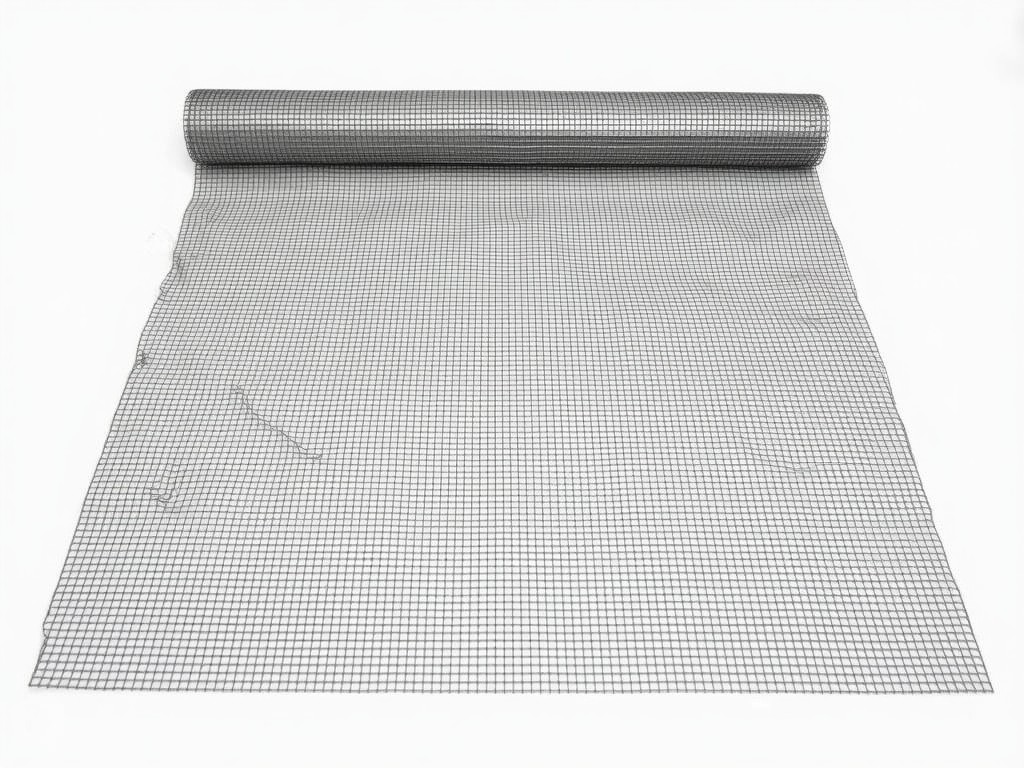
Stainless Steel Wire Mesh Roll – Industrial Grade
Stainless steel wire mesh rolls are continuous lengths of woven or welded wire fabric produced from corrosion-resistant alloys. Unlike pre-cut panels, rolls offer flexibility in length and are commonly used where continuous coverage or on-site cutting is required. The material selection, weave pattern, and wire diameter directly influence performance in filtration, screening, reinforcement, and barrier applications.
Material Composition and Corrosion Resistance
The most commonly used grades are 304 and 316 stainless steel. Grade 304 provides good resistance to atmospheric corrosion and many chemicals, suitable for indoor and mild outdoor environments. Grade 316 contains molybdenum, enhancing resistance to chlorides and acids, making it preferable for marine, chemical processing, or washdown environments. Wire is typically cold-drawn to achieve consistent tensile strength and dimensional stability.
Weave Patterns and Opening Characteristics
Two primary weave types dominate industrial rolls: plain weave and twill weave. Plain weave features wires crossing alternately over and under, creating a symmetric, stable mesh with equal tensile strength in both directions. Twill weave has each wire passing over two then under two, allowing for heavier wire diameters relative to opening size while maintaining flexibility. Opening size is defined by mesh count (wires per inch) or clear opening in millimeters, directly affecting flow rates, particle retention, and structural rigidity.
Wire Diameter and Load-Bearing Capacity
Wire diameter ranges from 0.2 mm for fine filtration to 3.0 mm or more for heavy-duty screening and reinforcement. Thicker wire increases burst strength and impact resistance but reduces open area and flow capacity. The relationship between wire diameter, opening size, and weave pattern determines the mesh’s performance under load—critical in applications like vibratory screens, concrete reinforcement, or machine guarding where dynamic stresses are present.
Typical Industrial Applications
Stainless steel wire mesh rolls serve distinct functional roles depending on industry requirements. In food and pharmaceutical processing, they are used for sieving powders and liquids where hygiene and cleanability are essential—316L is often selected for its resistance to pitting from saline or acidic cleaners. In mining and aggregate processing, heavier gauges with larger openings screen crushed stone or ore, relying on abrasion resistance and tensile durability. Architectural applications use finer meshes for infill panels or balustrades, where aesthetic uniformity and long-term corrosion resistance reduce maintenance needs.
Selection Criteria for Engineers
Choosing the correct roll involves matching four key parameters to the service environment: alloy grade for chemical exposure, weave pattern for mechanical flexibility vs. rigidity, wire diameter for load requirements, and opening size for functional purpose (filtration threshold or particle screening). For example, a dairy processor removing 150-micron contaminants from milk might select 316L plain weave with 0.4 mm wire and 200 mesh count, while a wastewater plant screening coarse debris could use 304 twill weave with 1.6 mm wire and 4 mm openings. Environmental factors like temperature, pH, and mechanical cycling must be evaluated to prevent premature failure.
Manufacturing Considerations and Quality Control
Rolls are produced on precision looms or welders with tension control to ensure uniform wire alignment and consistent opening dimensions. Edge wires are often crimped or welded to prevent unraveling during handling. Quality verification includes visual inspection for defects, dimensional sampling of opening size and wire diameter, and material verification via mill test reports. Tensile and elongation testing may be performed per ASTM E8 or equivalent for critical applications. Surface finish is typically annealed and pickled to remove scaling and restore corrosion resistance after processing.
Customization and Ordering Information
Standard roll widths range from 500 mm to 2000 mm, with lengths typically between 10 m and 50 m depending on wire diameter and weight—thinner gauges allow longer rolls to manage handling weight. Custom widths, lengths, and edge treatments (such as selvedge or reinforced borders) are available upon request. Buyers should provide: required alloy grade, weave type, wire diameter, opening size or mesh count, roll dimensions, and any applicable standards (e.g., ASTM, ISO, DIN). Lead time depends on material availability and complexity, usually 2–4 weeks for non-stock items.
| Parameter | Typical Range / Options |
|---|---|
| Alloy Grade | 304, 304L, 316, 316L (others available upon request) |
| Weave Pattern | Plain weave, twill weave, welded mesh |
| Wire Diameter | 0.2 mm – 3.0 mm (custom sizes available) |
| Opening Size | 0.1 mm – 50 mm (mesh count: 10 – 400 mesh) |
| Roll Width | 500 mm – 2000 mm (custom widths available) |
| Roll Length | 10 m – 50 m (dependent on gauge; longer lengths possible for fine mesh) |
| Edge Treatment | Plain cut, selvedge, welded edge, reinforced border |
Packaging and Handling
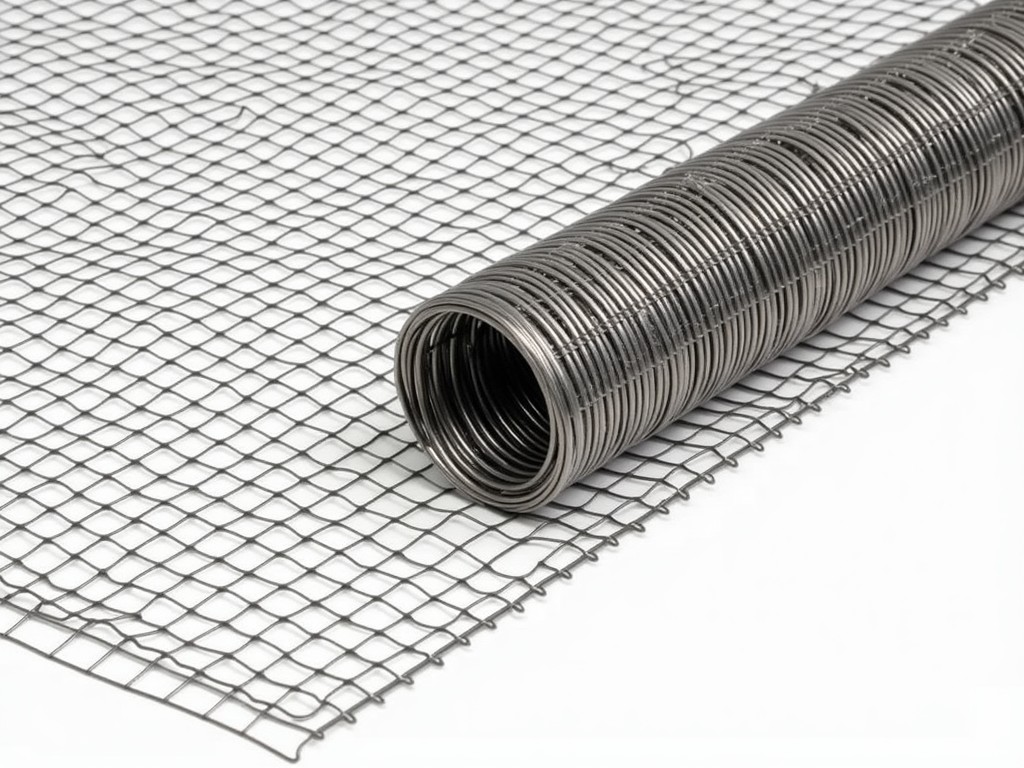
Rolls are wound onto rigid cores (typically cardboard or plastic) and wrapped in polyethylene film to protect against moisture and surface damage during transit. Wider or heavier rolls may include wooden battens or steel bands to prevent shifting. Labeling includes material grade, dimensions, weight, and batch traceability. For export, additional corner protection and humidity indicators may be applied. Proper storage—indoor, dry, and away from direct sunlight—preserves the passive oxide layer and prevents staining or corrosion initiation before use.
Product Categories


Send Inquiry
If you are interested in our products, leave your information here and we will be in touch shortly.