Buy Steel Security Grilles For Windows
Industrial steel security grilles are engineered barriers designed to reinforce window openings against forced entry, impact, and environmental exposure. Unlike decorative or lightweight
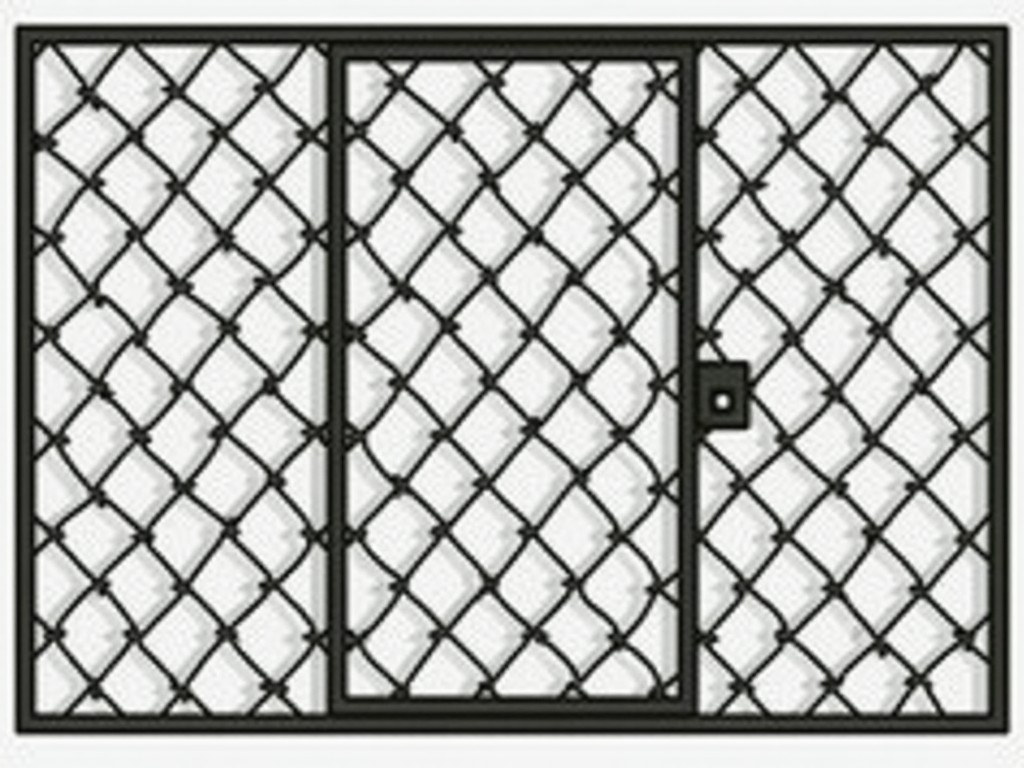
Steel Security Grilles for Windows
Industrial steel security grilles are engineered barriers designed to reinforce window openings against forced entry, impact, and environmental exposure. Unlike decorative or lightweight alternatives, these systems prioritize structural integrity through material selection, connection design, and load-path continuity. Their primary function is to deter intrusion while maintaining ventilation, visibility, and compliance with safety regulations in commercial, industrial, and institutional facilities.
Material Composition and Structural Performance
Security grilles are typically fabricated from hot-rolled or cold-rolled steel sheets ranging from 1.5 mm to 3.0 mm in thickness, selected based on required resistance to cutting, bending, and torsional forces. The base material undergoes surface treatment—such as galvanization (Z275 coating) or powder coating—to prevent corrosion in humid or chemically aggressive environments. Structural performance is governed by the grille’s open area ratio, bar spacing, and anchoring method, which collectively determine its ability to withstand dynamic loads without permanent deformation.
Design Configuration and Load Distribution
Effective security grilles use interlocking bar patterns—such as square, rectangular, or diagonal grids—to distribute impact loads across multiple members, reducing stress concentration at any single point. Bar spacing is typically limited to 100 mm or less to prevent passage of objects or limbs while maintaining adequate airflow and light transmission. Frames are constructed from rolled steel angles or tubes, welded or mechanically fastened to the grille panel, and anchored into masonry, concrete, or steel substrates using chemical anchors or through-bolts with load-rated washers.
Customization Options for Project-Specific Requirements
Grilles are manufactured to exact opening dimensions, accommodating non-standard shapes such as arched, circular, or trapezoidal windows common in retrofitted buildings. Surface finishes can be specified to match architectural requirements, including RAL-colored powder coats, anti-graffiti coatings, or stainless steel cladding for coastal or high-chloride environments. Accessory integration—such as removable sections for emergency egress, integrated locking mechanisms, or mesh liners for insect control—is engineered during design to avoid compromising structural continuity.
Installation Considerations and Site Adaptation
Proper installation is critical to performance; even a high-strength grille can fail if anchored inadequately or installed with gaps allowing leverage. Substrate condition must be assessed—cracked concrete, deteriorated masonry, or insufficient embedment depth require remediation prior to fixing. Installation typically involves drilling pilot holes, cleaning debris, inserting anchors, and torquing fasteners to manufacturer-specified values to ensure preload and prevent creep over time. Field verification of alignment and clearance is standard before final tightening.
Comparison of Common Grille Types
| Feature | Fixed Bar Grille | Hinged Access Grille | Removable Panel Grille |
|---|---|---|---|
| Typical Use Case | Permanent openings, basements, utility rooms | Maintenance access, ventilation shafts | Emergency egress, periodic cleaning |
| Installation Complexity | Low | Medium | Medium |
| Structural Integrity | Highest (no moving parts) | High (when latched) | Moderate (depends on fastening) |
| Cost Impact | Baseline | +15–25% | +10–20% |
Quality Assurance and Traceability
Manufacturing follows documented procedures covering material traceability, dimensional inspection, weld integrity (where applicable), and coating adhesion testing. Each batch is linked to mill certificates for steel substrate and coating specifications. Dimensional checks are performed at first article and random intervals during production, verifying bar spacing, frame squareness, and overall dimensions against approved drawings. Final inspection includes visual assessment for defects, coating uniformity, and hardware functionality before packaging.
Typical Applications in Industrial and Commercial Settings
Steel security grilles are specified in facilities where uncontrolled access poses operational or safety risks, such as ground-floor windows in warehouses, distribution centers, and manufacturing plants. They are also used in parking garages to prevent vehicle intrusion through ventilation openings, in schools and hospitals to secure basement or service-level windows without compromising egress requirements, and in retail storefronts after hours to deter smash-and-grab attempts while allowing passive surveillance. Their use is often mandated by insurance providers or local ordinances targeting crime prevention through environmental design.
Product Categories


Send Inquiry
If you are interested in our products, leave your information here and we will be in touch shortly.