China 1X1 14 Gauge Galvanized Wire Mesh
14 gauge galvanized wire mesh with a 1x1 inch opening is a standard specification in industrial fencing, containment, and reinforcement applications. The term "1x1" refers to the clear opening
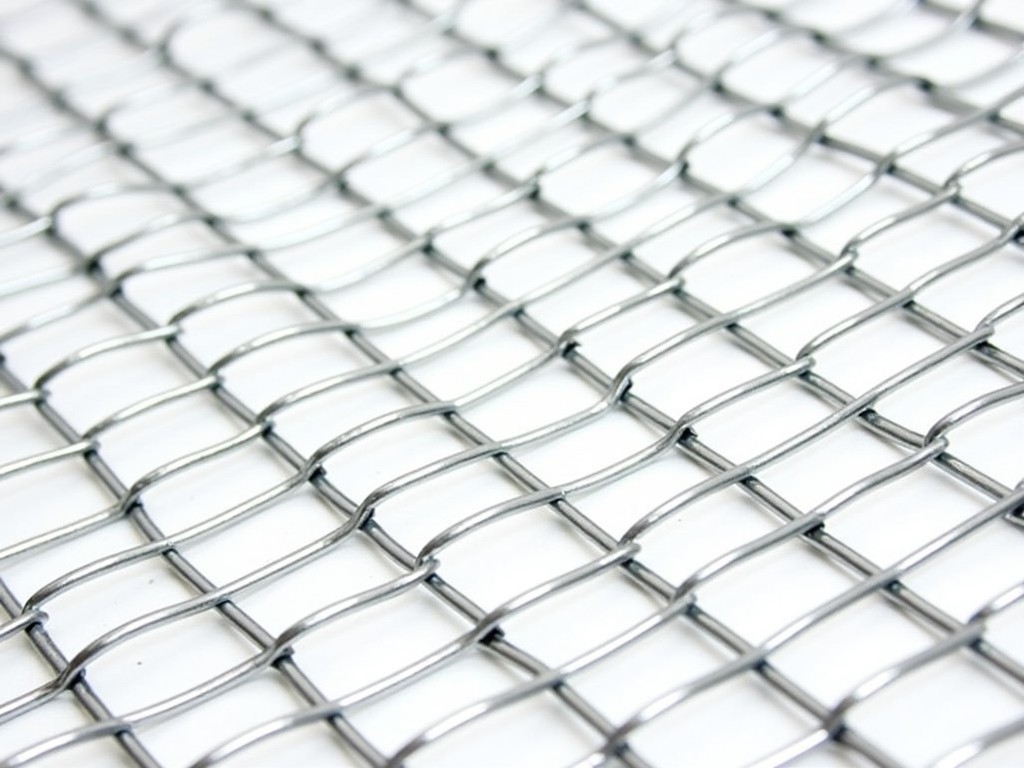
China 1x1 14 Gauge Galvanized Wire Mesh
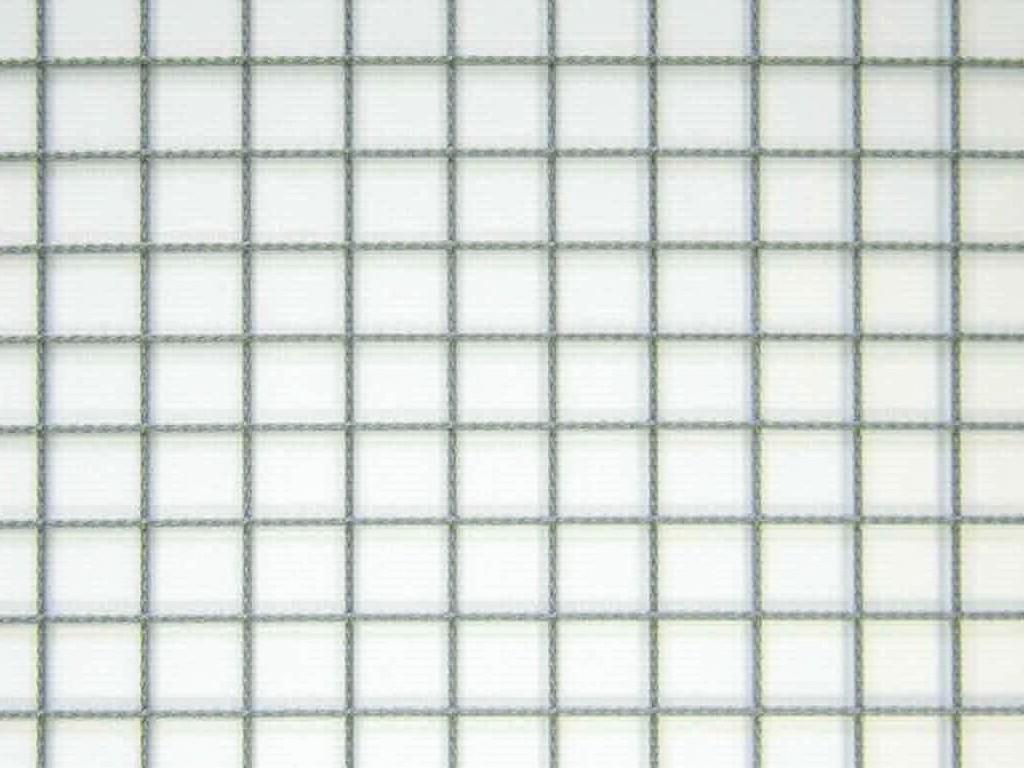
14 gauge galvanized wire mesh with a 1x1 inch opening is a standard specification in industrial fencing, containment, and reinforcement applications. The term "1x1" refers to the clear opening between parallel wires, while "14 gauge" indicates a wire diameter of approximately 0.080 inches (2.03 mm). This combination provides a balance of openness and structural rigidity suitable for environments requiring visibility, airflow, and moderate impact resistance. Galvanization applies a zinc coating to the steel wire to inhibit corrosion, extending service life in outdoor or humid conditions. Understanding these base specifications is essential when evaluating suitability for specific projects.
Wire Diameter and Opening Size Relationship
The 14 gauge wire diameter (0.080 in) combined with a 1x1 inch opening results in a specific open area percentage and load-bearing characteristic. Open area is calculated as the ratio of void space to total area, which for this mesh is approximately 51%. This means just over half the surface is open, allowing for significant airflow and light transmission while maintaining a continuous barrier. The wire diameter directly influences tensile strength; 14 gauge low-carbon steel typically offers a tensile strength of 55,000–70,000 psi, contributing to the mesh’s ability to resist deformation under wind load or light impact. These values are not absolute but represent typical ranges for commercially available galvanized steel wire used in mesh production.
Galvanization Process and Corrosion Protection
Galvanization for this mesh is typically achieved through hot-dip galvanizing, where the woven wire mesh is immersed in molten zinc (around 840°F or 449°C). This process forms a metallurgical bond between zinc and steel, creating layers of zinc-iron alloys and a pure zinc surface. The coating weight, often measured in grams per square meter (g/m²), determines longevity; common industrial galvanized wire mesh ranges from 180 to 350 g/m². Higher coating weights provide longer protection in corrosive environments but increase material cost. The zinc coating acts as a sacrificial anode, corroding preferentially to protect the underlying steel, which is critical in applications exposed to moisture, rain, or industrial atmospheres.
Manufacturing Considerations for Consistency
Producing uniform 1x1 opening mesh requires precise wire spacing during weaving. The loom must maintain consistent tension and pitch to avoid variations in opening size, which can affect performance in filtration or guarding applications. Wire straightness and diameter tolerance are controlled during drawing; 14 gauge wire typically holds a tolerance of ±0.002 inches. After weaving, the mesh undergoes galvanizing, and any post-weaving coating must ensure full coverage at weld intersections (if welded) or crossover points (if woven). Woven mesh relies on friction at intersections, while welded versions use resistance welding at each crosswire junction. The choice between woven and welded affects rigidity, edge stability, and ease of cutting.
Typical Applications in Industrial Settings
This specification is commonly used in machine guarding where visibility and airflow are required alongside protection from moving parts. The 1x1 opening prevents fingers or tools from passing through while allowing operators to see internal mechanisms. In agricultural settings, it serves as livestock fencing for medium-sized animals, providing containment without creating a solid visual barrier. In infrastructure, it functions as debris netting on construction sites or slope stabilization mesh where rockfall mitigation requires a flexible yet durable barrier. Each application leverages the combination of open area, corrosion resistance, and mechanical strength inherent to the 14 gauge, 1x1 configuration.
Comparison with Alternative Specifications
| Specification | Wire Diameter (in) | Opening Size (in) | Open Area (%) | Typical Use Case |
|---|---|---|---|---|
| 14 Gauge, 1x1 | 0.080 | 1.0 x 1.0 | ~51% | Machine guarding, livestock fencing |
| 12 Gauge, 1x1 | 0.104 | 1.0 x 1.0 | ~41% | High-impact barriers, security fencing |
| 14 Gauge, 2x2 | 0.080 | 2.0 x 2.0 | ~69% | Ventilation panels, debris screens |
| 16 Gauge, 1x1 | 0.064 | 1.0 x 1.0 | ~58% | Light-duty guarding, garden fencing |
Comparing specifications highlights trade-offs between openness, strength, and material usage. Increasing wire diameter (e.g., moving from 14 to 12 gauge) reduces open area but significantly increases resistance to deformation and impact. Conversely, increasing opening size (e.g., 1x1 to 2x2 at the same gauge) raises open area but decreases the ability to block small objects. Selecting the appropriate mesh requires evaluating the primary hazard—whether it is intrusion prevention, debris containment, or visual screening—and matching the open area and wire strength accordingly. The 14 gauge, 1x1 specification represents a mid-range option suitable for general-purpose industrial guarding where extreme loads are not expected.
Customization Options and Ordering Considerations
While 1x1 opening and 14 gauge are standard, dimensions can be customized based on project needs. Roll width typically ranges from 3 to 8 feet, with lengths adjusted to minimize seams in large installations. Edge finishes include raw (cut wire), folded (hemmed for safety), or framed with steel angles for added rigidity. For welded mesh, specifying the weld pattern (e.g., every intersection vs. alternate) affects stiffness and cost. Buyers should provide required dimensions, edge treatment, and any certification needs (e.g., ISO 9001 compliance documentation) during quoting. Lead times depend on raw material availability and coating scheduling but generally range from 2 to 4 weeks for standard galvanized finishes.
Quality Control and Inspection Points
Quality assurance begins with wire diameter verification using micrometers or laser gauges before weaving. During production, opening size is monitored via optical gauges or physical go/no-go gauges to ensure consistency. Post-galvanizing, coating thickness is measured using magnetic or electronic coating thickness gauges at multiple points per roll, adhering to standards such as ASTM A123/A123M. Visual inspection checks for uniform zinc coverage, absence of bare spots, and proper adhesion. Tensile strength may be tested on wire samples to confirm base material properties. Packaging includes wrapping in polyethylene and securing with steel bands to prevent damage during transit, with labels indicating specification, weight, and production date.
Product Categories


Send Inquiry
If you are interested in our products, leave your information here and we will be in touch shortly.