China Plastic Coated Hardware Cloth
Plastic coated hardware cloth combines a woven or welded steel wire mesh base with a protective polymer coating to enhance durability in corrosive or abrasive environments. This product is commonly
China Plastic Coated Hardware Cloth
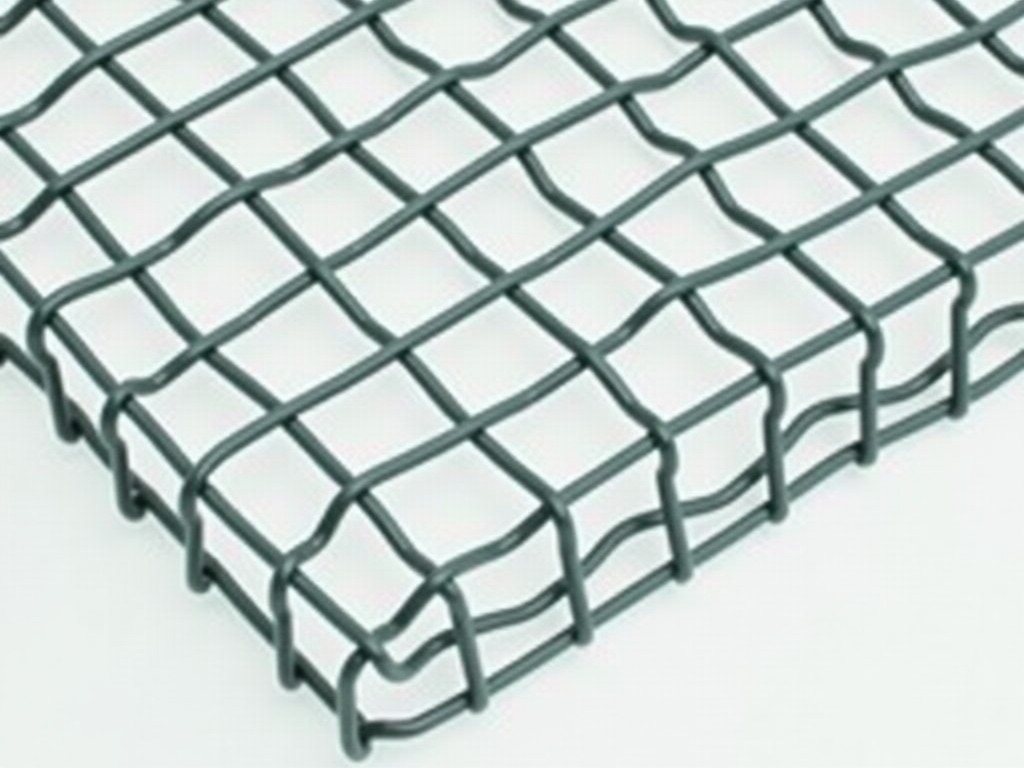
Plastic coated hardware cloth combines a woven or welded steel wire mesh base with a protective polymer coating to enhance durability in corrosive or abrasive environments. This product is commonly specified for applications where both mechanical strength and environmental resistance are required, such as in construction, agriculture, and industrial filtration. The coating acts as a barrier against moisture, chemicals, and UV exposure, significantly extending service life compared to uncoated mesh. Understanding the interplay between base material, coating type, and mesh geometry is essential for selecting the correct variant for a given application.
Base Material and Mesh Construction
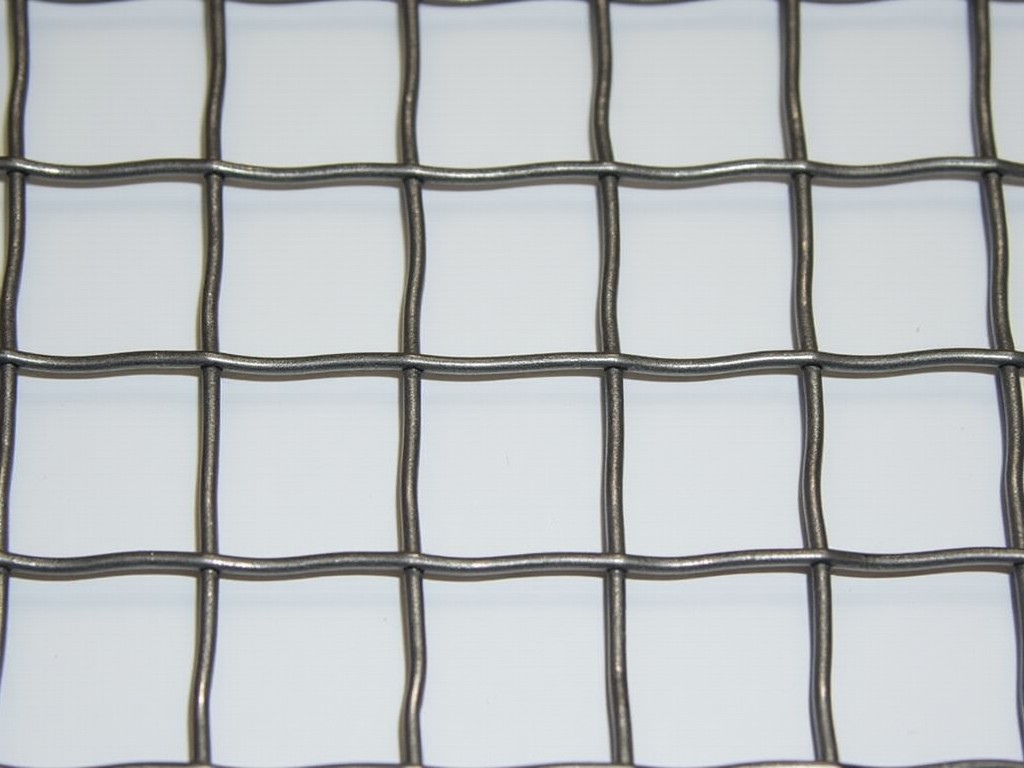
The underlying mesh is typically manufactured from low-carbon steel wire, chosen for its tensile strength and formability during weaving or welding processes. Wire diameters commonly range from 0.5 mm to 2.0 mm, depending on the required open area and structural load. Mesh patterns include square weave, rectangular weave, and welded configurations, each affecting flow dynamics, particle retention, and rigidity. For example, a 1.0 mm wire with 6 mm square openings provides approximately 70% open area, suitable for ventilation or light filtration, while smaller openings with thicker wire increase strength but reduce permeability.
Coating Materials and Application Methods
The plastic coating is usually applied via extrusion or dip-coating processes, ensuring uniform coverage over all wire surfaces and junctions. Common coating materials include polyethylene (PE), polyvinyl chloride (PVC), and polypropylene (PP), each selected based on chemical resistance, temperature tolerance, and flexibility requirements. PE coatings offer good impact resistance and low-temperature performance down to -20°C, while PVC provides superior resistance to oils and fuels. Coating thickness typically ranges from 0.2 mm to 0.5 mm, measured after curing, and is critical for long-term barrier integrity.
Performance Characteristics
Plastic coated hardware cloth exhibits improved resistance to rust and corrosion compared to galvanized or bare steel mesh, particularly in humid or chemically exposed environments. The coating also reduces abrasion on contacting surfaces, making it suitable for use in animal enclosures or conveyor guards where surface finish matters. Tensile strength of the composite material remains dominated by the steel core, typically retaining 80–90% of the base wire’s strength after coating. Flexural rigidity increases slightly due to the coating’s contribution to cross-sectional stiffness, which can be beneficial in self-supporting panels.
Typical Applications
In construction, plastic coated hardware cloth is used as reinforcement in stucco and plaster systems, where the coating prevents rust staining on finished surfaces. In agricultural settings, it serves as fencing for poultry and small livestock, combining containment with resistance to manure-induced corrosion. Industrial applications include machine guarding, where the coating minimizes wear on adjacent components, and filter media for coarse particle separation in wastewater pretreatment. The product is also utilized in DIY and landscaping projects for tree protection and soil erosion control due to its ease of cutting and shaping.
Customization Options
Mesh dimensions, wire diameter, opening size, and coating type can be adjusted to meet specific project requirements. Custom lengths and widths are available upon request, with standard roll widths ranging from 0.6 m to 2.0 m. Coating color can be customized—common options include black, green, and gray—to suit aesthetic or identification needs. Edge treatments such as folded or hemmed sides are available to prevent fraying and improve handling safety during installation.
Quality Control and Testing
Quality assurance involves visual inspection for coating uniformity, adhesion testing via bend and impact methods, and measurement of coating thickness using micrometers or magnetic gauges. Mesh integrity is verified through tensile testing of wire samples and aperture measurement to ensure dimensional consistency. Batch-level documentation includes coating material certification and wire grade traceability. These controls help ensure that the product performs as expected in field conditions, reducing the risk of premature failure.
Packaging and Handling
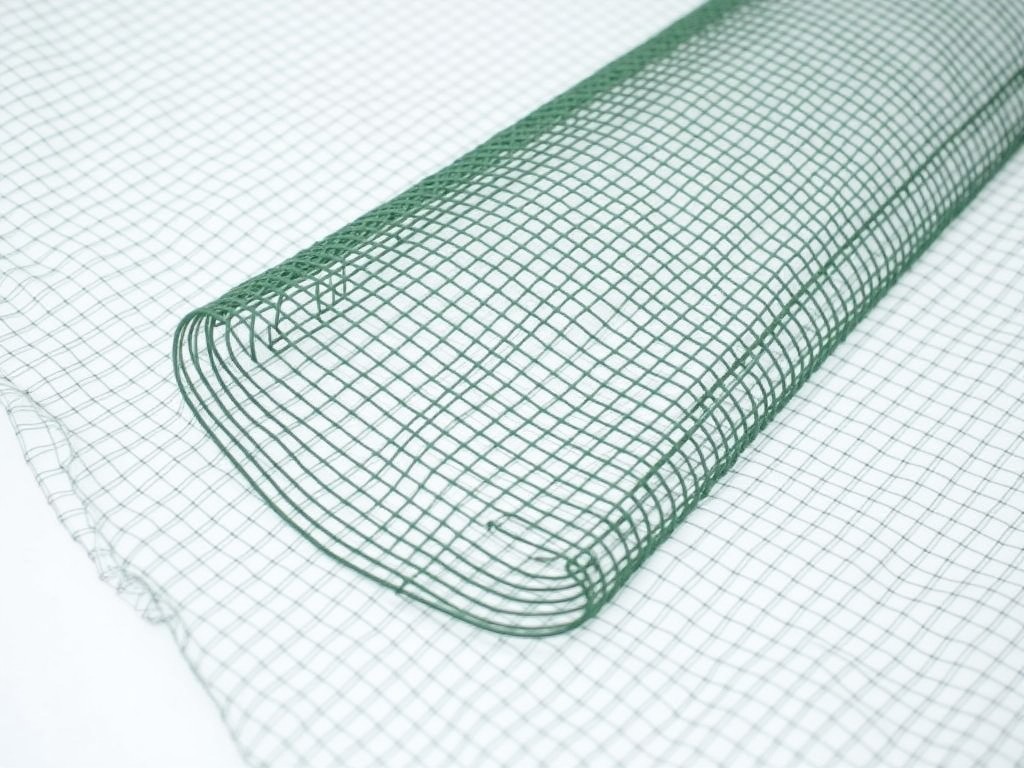
Rolls are typically wound on rigid cores and wrapped in polyethylene film to protect against moisture and mechanical damage during transit. Labeling includes product code, dimensions, coating type, and length for easy identification. For longer lengths or heavier gauges, palletizing with strapping is standard to prevent shifting. Handling recommendations advise wearing gloves to avoid surface abrasion and storing rolls vertically to prevent deformation.
| Parameter | Typical Range | Notes |
|---|---|---|
| Wire Diameter | 0.5 – 2.0 mm | Depends on required strength and open area |
| Opening Size | 3 – 50 mm | Square or rectangular; affects flow and retention |
| Coating Thickness | 0.2 – 0.5 mm | Measured after curing; critical for barrier performance |
| Coating Material | PE, PVC, PP | Selected based on chemical and thermal resistance |
| Roll Width | 0.6 – 2.0 m | Custom widths available upon request |
Selecting the appropriate plastic coated hardware cloth requires evaluating the environmental conditions, mechanical demands, and service life expectations of the application. By specifying the correct base wire, coating material, and mesh geometry, engineers and procurement teams can ensure reliable performance while minimizing maintenance and replacement costs. The product’s versatility across industries stems from its ability to combine structural integrity with environmental protection in a single, easily installed component.
Product Categories


Send Inquiry
If you are interested in our products, leave your information here and we will be in touch shortly.