China Stainless Steel Rodent Mesh Roll
Rodent intrusion poses significant risks to industrial facilities, agricultural storage, and infrastructure projects. Stainless steel rodent mesh roll provides a durable, non-corrosive barrier
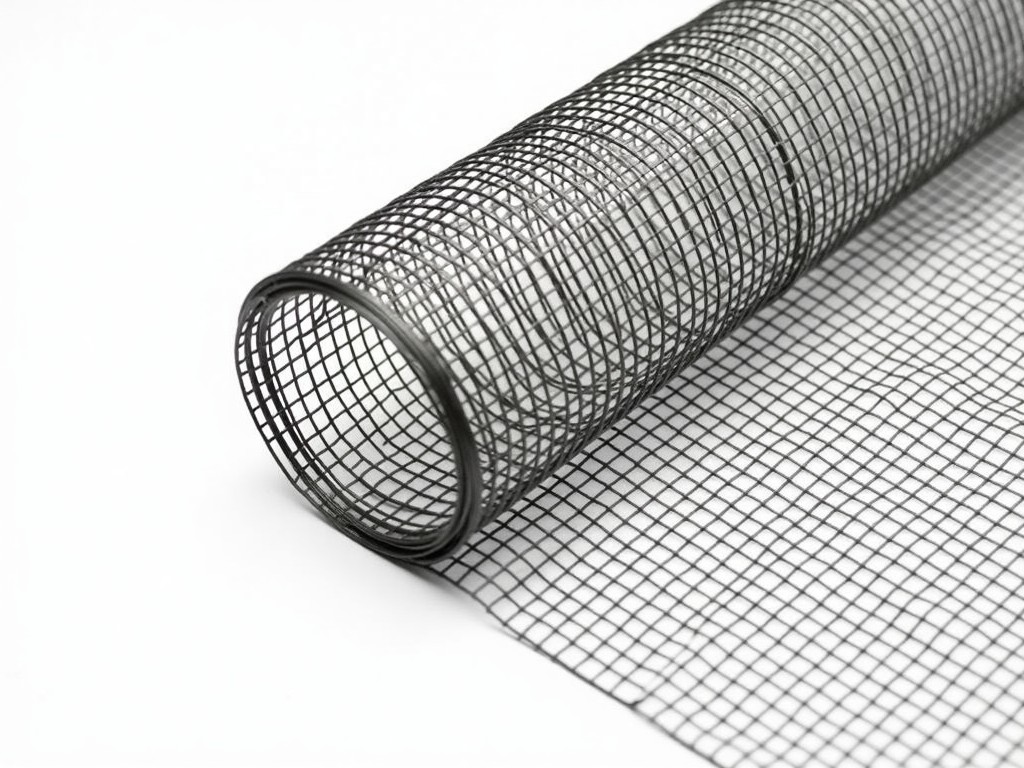
Stainless Steel Rodent Mesh Roll
Rodent intrusion poses significant risks to industrial facilities, agricultural storage, and infrastructure projects. Stainless steel rodent mesh roll provides a durable, non-corrosive barrier designed to exclude rodents while maintaining airflow, drainage, or visibility where required. This product page details the technical specifications, material properties, and application considerations necessary for informed procurement decisions.
Material Composition and Corrosion Resistance
The mesh is manufactured from austenitic stainless steel wire, typically grade 304 or 316, selected for its resistance to oxidation and chemical attack in diverse environments. Grade 304 offers sufficient protection in dry to moderately humid conditions, while grade 316, with added molybdenum, provides enhanced resistance to chlorides and industrial pollutants, making it suitable for coastal or chemical processing areas. Wire diameters range from 0.5mm to 1.2mm, directly influencing tensile strength and flexibility; thicker wires increase load-bearing capacity but reduce bend radius.
Unlike galvanized or plastic alternatives, stainless steel mesh does not degrade under UV exposure or temperature cycling, maintaining structural integrity over decades. The passive chromium oxide layer self-repairs when scratched, ensuring long-term performance without coating maintenance. This inherent durability reduces lifecycle costs compared to materials requiring periodic replacement or recoating.
Mesh Aperture and Structural Design
Aperture size is critical for rodent exclusion while accommodating functional requirements such as ventilation or liquid drainage. Standard apertures range from 6mm x 6mm to 19mm x 19mm, with smaller openings preventing entry by juvenile rats and mice. Larger apertures may be specified where airflow or debris passage is prioritized, though they require complementary sealing at joints to maintain exclusion integrity.
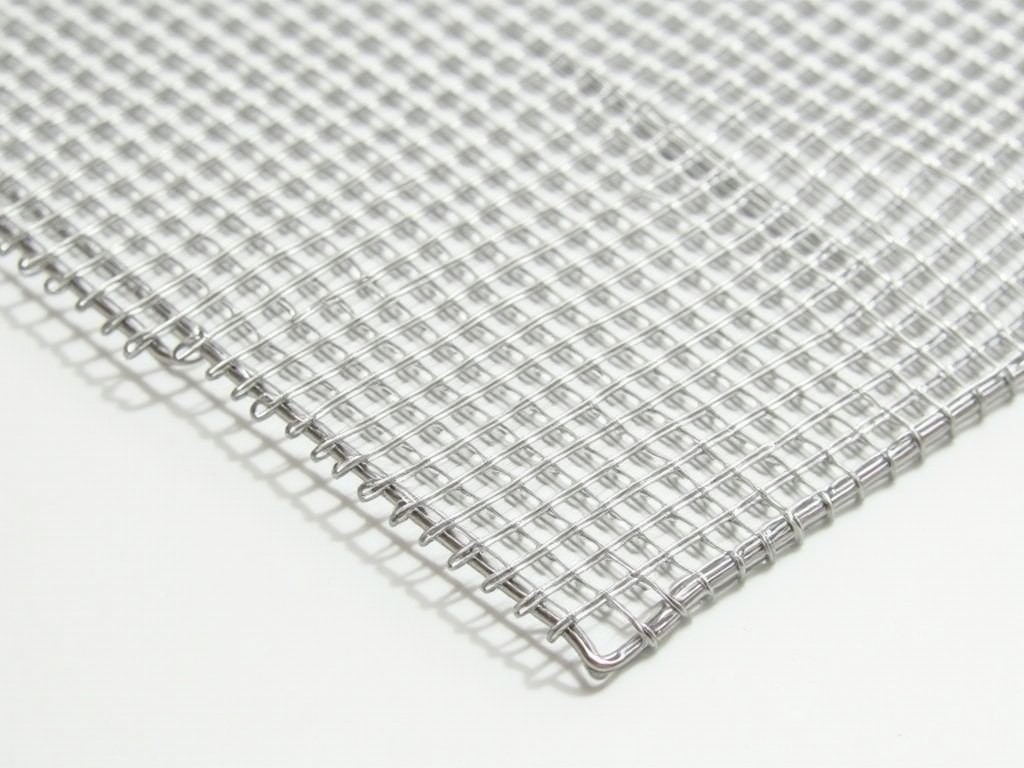
The mesh is produced in a plain weave pattern, where wires cross at 90-degree angles, providing uniform load distribution and resistance to unraveling when cut. Roll widths typically range from 0.5m to 2.0m, with lengths up to 50m per roll, minimizing seams during installation. Edge finishes include selvaged (looped) or cut edges; selvaged edges prevent fraying and simplify handling, while cut edges may be preferred for tight-fit applications where minimal protrusion is needed.
Mechanical Properties and Installation Considerations
Tensile strength of the wire exceeds 500 MPa for grade 304 and 550 MPa for grade 316, enabling the mesh to withstand impact from rodent gnawing and external pressure without permanent deformation. Elongation at break ranges from 40% to 60%, allowing the mesh to conform to irregular surfaces during installation without cracking. These properties are verified through ASTM A370 tensile testing on representative samples.
Installation methods vary by substrate: the mesh can be stapled to wood frames, welded to steel structures, or embedded in concrete during pouring. Overlaps of 50mm to 100mm are recommended at joints, secured with stainless steel hog rings or zip ties to prevent gap formation. For buried applications, a minimum depth of 150mm below grade is advised to deter burrowing rodents, with the mesh angled outward at the base to increase excavation difficulty.
Applications Across Industries
In food processing facilities, the mesh is installed around utility penetrations, ventilation ducts, and perimeter foundations to prevent rodent access to production zones, complying with HACCP and FSMA requirements. Its non-toxic, inert nature ensures no contamination risk to food products or packaging materials.
Agricultural installations use the mesh to protect grain silos, seed storage, and livestock feed areas. Unlike chemical deterrents, it provides a physical barrier that remains effective regardless of rodent population density or bait shyness. In urban infrastructure, it seals gaps in subway tunnels, utility vaults, and building exteriors, reducing maintenance costs associated with rodent-induced damage to wiring and insulation.
Renewable energy sites, such as solar farms and wind turbine bases, employ the mesh to protect cabling and conduit systems from rodent nesting, which can lead to short circuits or fire hazards. The mesh’s longevity matches the operational lifespan of these installations, reducing the need for periodic intervention.
Customization Options
Wire diameter, aperture size, roll width, and length can be adjusted to match project-specific constraints. For example, 0.8mm wire with 10mm apertures offers a balance of rodent exclusion and airflow for HVAC enclosures, while 1.2mm wire with 6mm apertures is preferred in high-pressure differential environments. Stainless steel grade selection (304, 316, or 316L) is based on environmental exposure data provided by the client.
Surface treatments such as passivation or electropolishing are available upon request to further enhance corrosion resistance in aggressive atmospheres. Custom packaging options include plastic-wrapped rolls with end caps or wooden crates for long-distance transport, protecting the mesh from mechanical damage during handling.
Quality Control and Testing
Raw material is inspected with mill test reports to verify chemical composition and mechanical properties. In-process checks include wire diameter measurement using micrometers and aperture verification via optical comparators. Final roll inspection involves tensile testing of wire samples and visual examination for defects such as broken wires, inconsistent weave, or edge damage.
Rolls are labeled with grade, wire size, aperture, length, and batch number for traceability. Packaging includes moisture-barrier film and shock-absorbent layers to prevent corrosion or deformation during storage and transit. Documentation, including material certifications and inspection reports, is available upon request.
Comparison with Alternative Materials
| Property | Stainless Steel Mesh | Galvanized Steel Mesh | Polymer Mesh |
|---|---|---|---|
| Corrosion Resistance | Excellent (inherent, self-healing) | Moderate (zinc coating degrades over time) | Good (UV/stabilized grades) |
| Rodent Gnaw Resistance | High (hardness >150 HV) | Moderate (softer coating) | Low to Moderate (dependent on additive) |
| Temperature Range | -200°C to 800°C | -40°C to 300°C (coating limits) | -40°C to 120°C (polymer limits) |
| Expected Lifespan | 20+ years | 5-10 years | 3-7 years |
| Fire Performance | Non-combustible | Non-combustible | Combustible (unless flame-retardant) |
*Typical values; actual performance depends on alloy grade, wire diameter, and environmental exposure.
Procurement and Technical Support
To initiate a quotation, provide the required wire diameter, aperture size, roll dimensions, stainless steel grade, and intended application environment. For projects involving regulatory compliance (e.g., food safety, pharmaceutical), specify any required certifications or test standards. Our technical team can assist with aperture selection based on local rodent species and behavior patterns, ensuring the solution meets exclusion criteria without over-specifying material.
Lead times vary based on customization level but typically range from 2 to 4 weeks for standard configurations. Export shipments are protected with vapor-corrosion inhibitors and shock-absorbent packaging to prevent degradation during transit. Samples are available upon request for material validation or installation testing.
For detailed specifications, customization requests, or to discuss your project requirements, contact our technical sales team.
Request Technical Consultation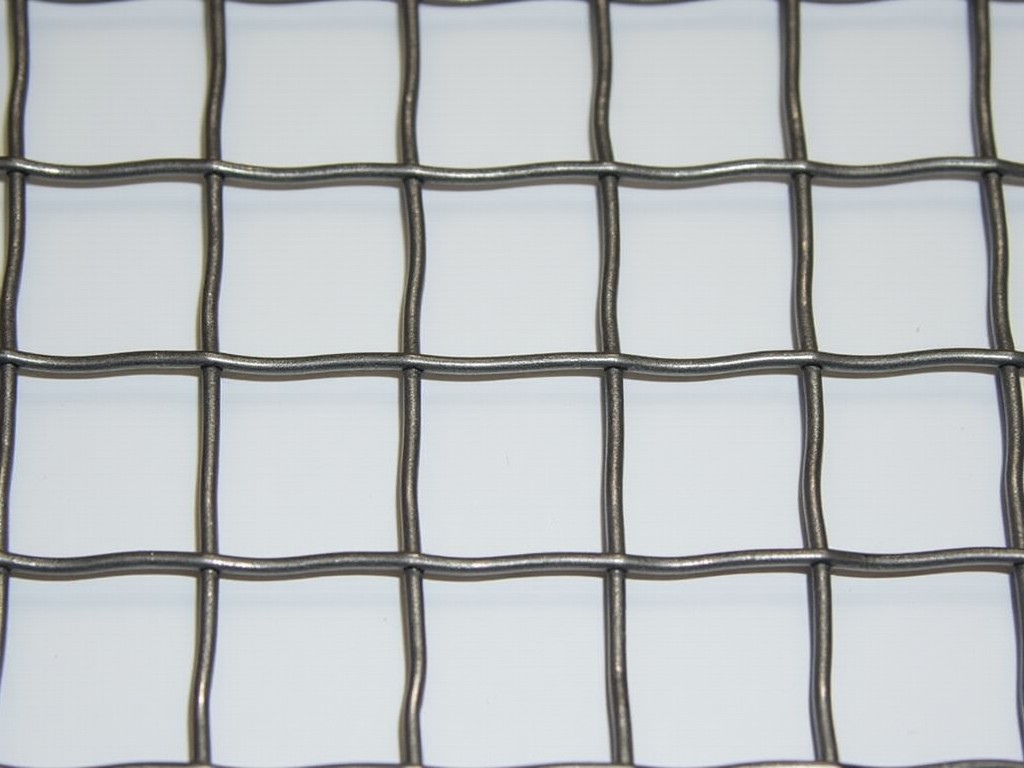
Product Categories


Send Inquiry
If you are interested in our products, leave your information here and we will be in touch shortly.