China Wire Mesh For Concrete Driveway
Wire mesh reinforcement is a critical component in concrete driveway construction, providing tensile strength to counteract cracking caused by shrinkage, thermal expansion, and load-induced stress.
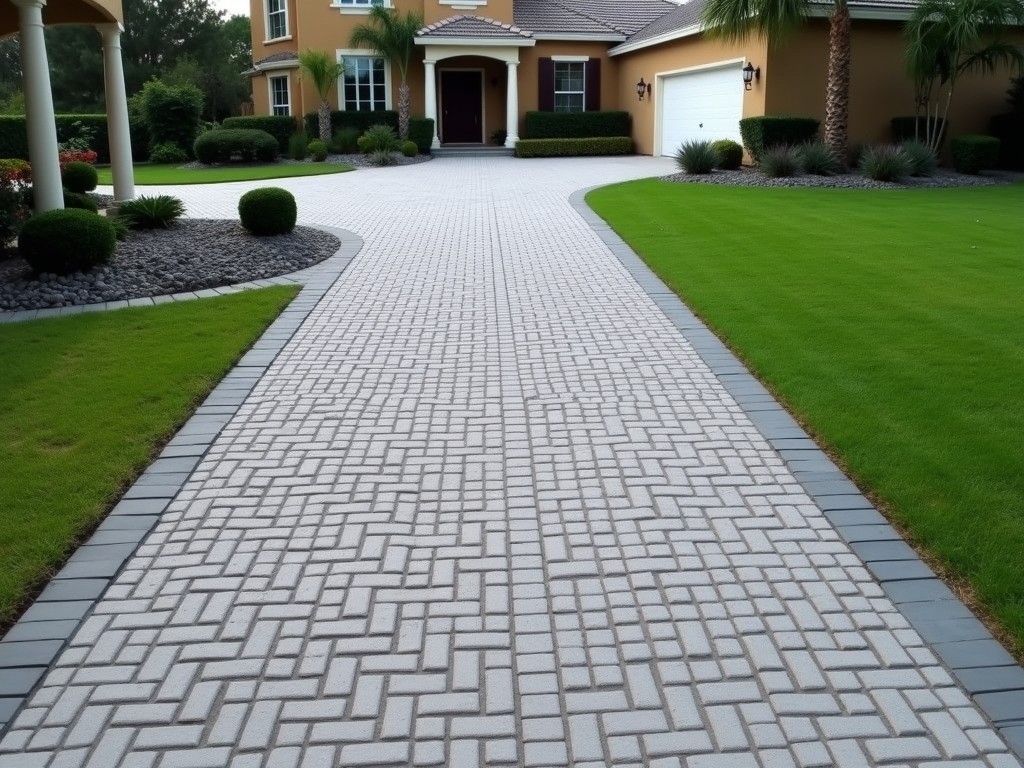
China Wire Mesh for Concrete Driveway
Wire mesh reinforcement is a critical component in concrete driveway construction, providing tensile strength to counteract cracking caused by shrinkage, thermal expansion, and load-induced stress. In regions with freeze-thaw cycles or heavy vehicle traffic, unreinforced concrete slabs are prone to surface and structural cracks that compromise durability and increase maintenance costs. Selecting the appropriate mesh specification requires understanding the interaction between concrete properties, subgrade conditions, and expected service loads.
Material Composition and Mechanical Properties
The wire mesh used for concrete driveways is typically manufactured from cold-drawn steel wire, conforming to ASTM A185 or equivalent international standards. The wire undergoes a drawing process that increases its yield strength through strain hardening, resulting in typical tensile strengths ranging from 550 MPa to 650 MPa. The zinc coating, applied via hot-dip galvanization (ASTM A123), provides corrosion resistance with a minimum coating weight of 610 g/m², essential for longevity in moist or de-icing chemical-exposed environments.
Standard Grid Configurations and Sizing
Common mesh sizes for residential driveways include 6-inch by 6-inch and 8-inch by 8-inch grid patterns, with wire diameters ranging from 2.0 mm to 3.0 mm. The 6x6 inch configuration with 2.5 mm wire is frequently selected for standard passenger vehicle loads, offering a balance between crack control and concrete workability. For heavier loads or weaker subgrades, 8x8 inch mesh with 3.0 mm wire provides greater tensile capacity per unit area, though it requires careful placement to avoid sagging during pour.
Installation Best Practices
Proper positioning of the wire mesh within the concrete slab is essential for effectiveness. The mesh should be placed at the mid-depth of the slab, typically supported by concrete chairs or dobies to maintain a minimum 25 mm cover from the bottom and top surfaces. Overlapping adjacent sheets by at least one full grid spacing (e.g., 150 mm for 6x6 mesh) ensures continuity of reinforcement. Edge clearance of 50 mm from formwork prevents corrosion exposure and allows for proper concrete consolidation.
Quality Control and Testing
Manufacturers conduct inline tensile testing on wire samples to verify yield and ultimate strength, with batch traceability maintained through heat numbers. Coating thickness is measured using magnetic or eddy current probes, adhering to ASTM E376. Visual inspection checks for uniform welding, absence of loose wires, and consistent grid alignment. Dimensional tolerances for wire spacing and overall panel size are typically held within ±3 mm to ensure accurate placement during installation.
Comparison of Mesh Options for Driveway Applications
| Specification | Wire Diameter (mm) | Grid Size (mm) | Typical Use Case |
|---|---|---|---|
| Standard Residential | 2.0–2.5 | 150×150 | Passenger vehicles, light use |
| Heavy-Duty Residential | 2.5–3.0 | 150×150 | RV, occasional truck traffic |
| Reinforced Edge Beam | 3.0–4.0 | 100×100 or custom | Driveway aprons, curb transitions |
Customization and Ordering Considerations
Wire mesh panels can be customized in width, length, wire diameter, and grid spacing to match specific driveway geometries and reinforcement designs. Common panel widths range from 1.0 m to 2.4 m to facilitate handling and placement, with lengths cut to project requirements. For curved or irregular layouts, mesh can be supplied in rolls or pre-bent sections. Buyers should provide slab thickness, expected load class, and environmental exposure details to receive an accurate specification recommendation.
Packaging and Logistics
Finished mesh panels are typically stacked and secured with steel or plastic strapping, then wrapped in water-resistant polyethylene film for protection during transport. Standard pallet sizes accommodate 50 to 100 square meters per pallet, depending on wire diameter and panel dimensions. Export shipments include corner protectors and moisture-absorbing desiccants to prevent corrosion during transit. Lead times are generally 2 to 4 weeks after order confirmation, subject to production scheduling and raw material availability.
Environmental and Lifecycle Factors
The use of galvanized steel wire mesh contributes to the longevity of concrete driveways, reducing the frequency of repairs and associated material consumption over the structure’s lifespan. At end-of-life, the steel component is fully recyclable, supporting circular economy principles in construction. The zinc coating, while consumable over time, provides sacrificial protection that delays concrete degradation, thereby extending service intervals and lowering lifetime environmental impact.
For technical specifications, customization options, or to request a quotation for your concrete driveway project, please contact our engineering team.
Request Technical Consultation
Product Categories


Send Inquiry
If you are interested in our products, leave your information here and we will be in touch shortly.