Metal Mesh Stainless Steel
Stainless steel metal mesh is a precision-engineered material formed by weaving or welding stainless steel wire into uniform opening patterns. Its primary value lies in combining corrosion resistance
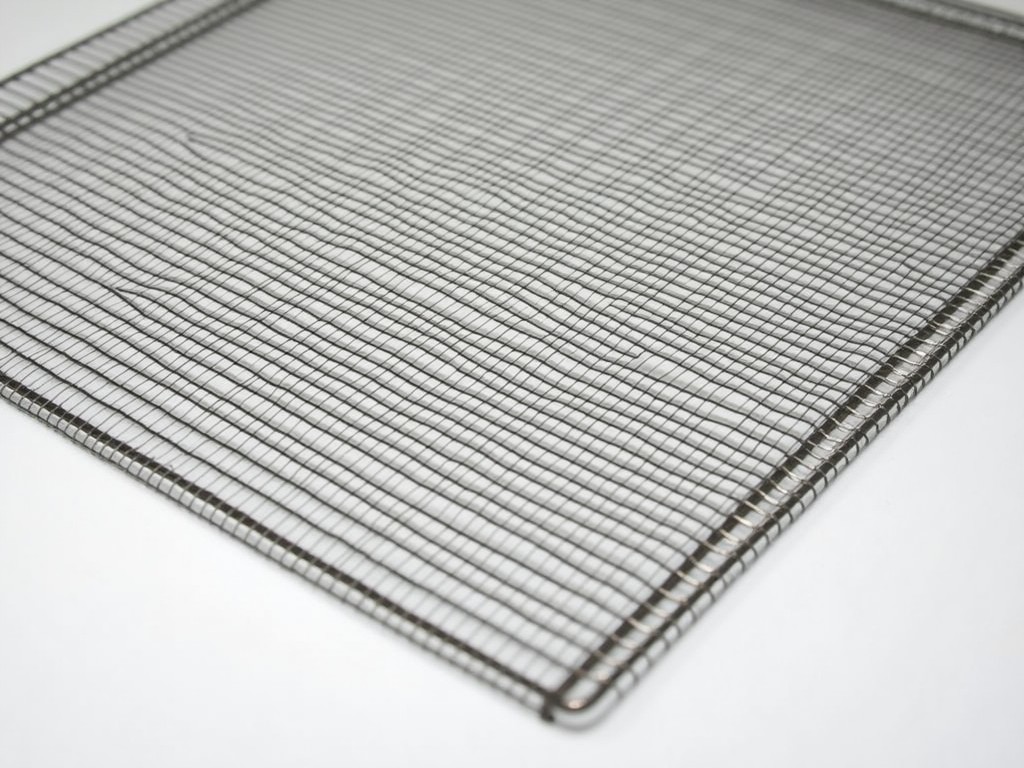
Metal Mesh Stainless Steel: Industrial Specifications and Applications
Stainless steel metal mesh is a precision-engineered material formed by weaving or welding stainless steel wire into uniform opening patterns. Its primary value lies in combining corrosion resistance with structural integrity, making it suitable for environments where exposure to moisture, chemicals, or temperature cycling would degrade alternative materials. The selection of mesh parameters—wire diameter, opening size, weave pattern, and alloy grade—directly influences performance in filtration, screening, shielding, and structural roles.
For industrial buyers, specifying metal mesh requires understanding how these variables interact under operational loads. For example, a 304 stainless steel mesh with 0.5mm wire diameter and 2mm square openings provides different flow dynamics and mechanical strength compared to a 316L variant with 0.8mm wire and 1.5mm openings, even if the open area percentage appears similar. This page details the technical considerations necessary for accurate specification and application matching.
Material Composition and Corrosion Resistance
The base material for industrial metal mesh is typically austenitic stainless steel, selected for its balance of formability, strength, and resistance to oxidation. Grade 304 (18-8) contains approximately 18% chromium and 8% nickel, providing adequate resistance to atmospheric corrosion, food processing environments, and mild chemical exposure. Grade 316L adds 2-3% molybdenum, significantly enhancing resistance to chlorides and acidic solutions, making it preferable for marine, chemical processing, and pharmaceutical applications.
Lower carbon variants like 304L and 316L minimize carbide precipitation during welding, preserving corrosion resistance in heat-affected zones—critical when mesh is welded into frames or structural assemblies. Duplex grades such as 2205 offer higher yield strength and improved stress corrosion cracking resistance, suitable for high-pressure filtration or offshore environments. The choice between grades is not merely about cost but about matching the alloy’s pitting resistance equivalent number (PREN) to the specific corrosive agents present in the process.
For instance, in a seawater cooling system, 316L mesh may exhibit a pitting resistance rating of PREN >24, while 304 typically scores PREN ~19, making the former substantially more resistant to localized corrosion over time. These differences are not theoretical; they directly impact maintenance intervals and service life in harsh conditions.
Weave Patterns and Mechanical Properties
The method of interlacing wires determines the mesh’s mechanical behavior, surface characteristics, and suitability for specific functions. Plain weave, where each warp wire passes alternately over and under each weft wire, produces a symmetric, stable structure with uniform opening dimensions and good planar flatness—ideal for precision screening and filtration where consistent particle retention is required.
Twill weave, characterized by a staggered over-two-under-two pattern, allows for heavier wire diameters relative to opening size while maintaining flexibility. This results in higher tensile strength and improved resistance to abrasion, making it suitable for vibratory screening or applications involving sliding contact with abrasive media. Dutch weave variants (including plain Dutch and twill Dutch) use finer weft wires packed densely, creating a tortuous path that enhances fine particle retention without excessive pressure drop—common in liquid filtration and gas diffusion.
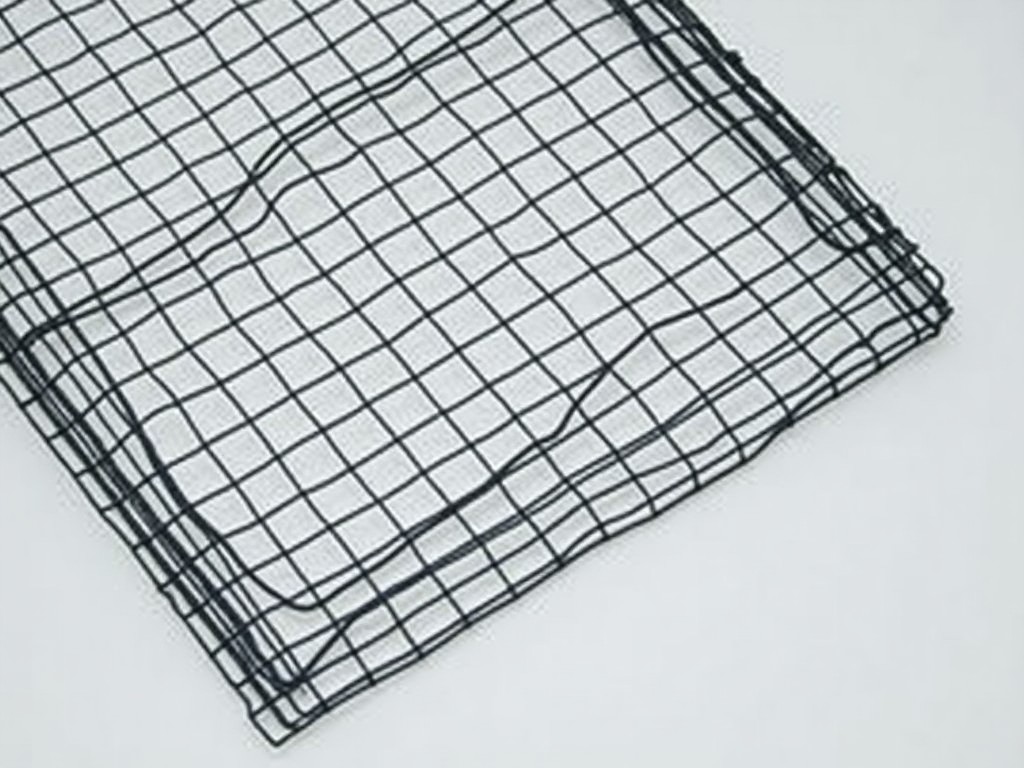
Welded mesh, where wires are fused at intersections, eliminates wire migration under load and provides rigid panel stability, often used in machine guarding, architectural infill, or structural reinforcement where opening integrity must be maintained under impact or sustained stress. The choice between woven and welded constructions affects not only strength but also edge safety, installation method, and long-term dimensional stability.
Key Specification Parameters
Industrial procurement requires precise definition of mesh characteristics beyond generic descriptions. The five critical parameters are: wire diameter (mm), opening size (mm), weave pattern, alloy grade, and panel dimensions. Wire diameter directly influences tensile strength and flow resistance; opening size determines particle retention threshold; weave pattern affects flexibility and surface smoothness; alloy grade defines environmental resistance; and panel size dictates handling and installation logistics.
For example, a mesh specified as 1.2mm wire, 3mm opening, plain weave, 316L stainless steel, in 1000mm x 2000mm panels conveys sufficient detail for engineering evaluation. Open area percentage—a derived value calculated from wire diameter and opening size—helps compare flow capacity across different specifications but should not replace the fundamental parameters, as two meshes with identical open area can have vastly different mechanical properties and clogging tendencies.
Tolerances are equally important: standard wire diameter tolerance is typically ±0.03mm, opening size ±0.10mm, and squareness deviation <2mm per meter. Tighter tolerances are available upon request for precision applications such as aerospace filtering or semiconductor manufacturing, where deviation impacts process yield.
Comparison of Common Specifications
| Specification | Wire Diameter (mm) | Opening Size (mm) | Weave Pattern | Typical Use Case |
|---|---|---|---|---|
| Fine Filtration Mesh | 0.20 | 0.50 | Plain Dutch | Liquid clarification, catalyst retention |
| General Screening Mesh | 0.50 | 2.00 | Plain Weave | Aggregate sorting, food grading |
| Heavy-Duty Vibrating Screen | 0.80 | 3.00 | Twill Weave | Mineral processing, recycling |
| Welded Structural Mesh | 1.50 | 5.00 | Welded (Square) | Machine guarding, concrete reinforcement |
| Marine Environment Mesh | 0.60 | 1.50 | Plain Weave | Seawater intake, offshore filtration |
Values represent typical industrial specifications. Actual dimensions and tolerances are customizable according to project requirements.
Surface Treatments and Edge Finishing
Post-weaving treatments influence both functionality and safety. Annealing relieves internal stresses introduced during drawing and weaving, improving ductility and reducing the risk of wire fracture during forming or impact. Passivation, typically using nitric or citric acid baths, removes free iron from the surface and enhances the natural chromium oxide layer, optimizing corrosion resistance—particularly important after welding or mechanical processing.
Edge finishing is critical for handler safety and installation integrity. Options include folded edges (where the perimeter wire is bent back into the mesh), welded edge bars (adding a peripheral frame for rigidity), or overlocked edges (using a locking wire to prevent unraveling). In food processing or pharmaceutical environments, smooth, crevice-free edges are preferred to eliminate contamination traps and facilitate cleaning-in-place (CIP) procedures.
For architectural or decorative applications, surface finishes such as brushed, polished, or bead-blasted are specified to achieve desired aesthetics while maintaining the underlying corrosion resistance. These finishes do not alter the base material properties but affect surface roughness and light reflectance, which may be relevant in hygienic zones where visibility of residue is important.
Quality Assurance and Inspection
Industrial buyers require traceable quality assurance to mitigate specification risk. Standard inspection includes dimensional verification of wire diameter and opening size using calibrated optical micrometers or projection gauges, typically sampled per ANSI/ASQ Z1.4 or equivalent standards. Visual inspection under defined lighting checks for wire breaks, missed welds, or foreign inclusions that could compromise performance.
For critical applications, additional testing may be specified: tensile strength validation via pull-test on wire samples, burst pressure testing for filtration elements, or salt spray exposure (ASTM B117) to verify corrosion resistance claims. Material certification (EN 10204 3.1) confirming chemical composition and mechanical properties is available upon request for grades such as 316L or duplex alloys.
Packaging is designed to prevent deformation and contamination during transit. Mesh is typically interleaved with protective paper, rolled on rigid cores, or packed flat in crush-resistant containers with desiccant for humidity-sensitive applications. Custom packaging—such as vacuum-sealed bags for cleanroom delivery or corrosion-inhibiting wraps for export—can be arranged based on project needs.
Applications Driven by Material Properties
The selection of stainless steel metal mesh is justified by its performance in specific operational contexts, not by industry labels alone. In chemical processing, 316L mesh with 0.4mm wire and 1mm openings is used in reactor effluent filters because its molybdenum content resists pitting from chloride-containing byproducts, maintaining integrity over thousands of hours where 304 would show visible degradation. The mechanical stability of twill weave prevents deformation under differential pressure, ensuring consistent flow distribution.
In food processing, plain weave 304L mesh with 0.3mm wire and 0.8mm openings is employed in dairy inline strainers due to its smooth surface, ease of cleaning, and resistance to milk salts and cleaning agents. The absence of crevices in the weave pattern minimizes biofilm formation risk, supporting compliance with hygienic design standards such as 3-A SSI or EHEDG. Edge folding eliminates sharp protrusions that could damage soft products or pose safety risks during maintenance.
For electromagnetic shielding in server rooms or medical imaging facilities, copper-clad stainless steel mesh combines the conductivity of copper with the structural strength and corrosion resistance of stainless steel. The underlying stainless steel provides dimensional stability in humid environments, while the copper layer delivers effective attenuation across RF frequencies. This hybrid approach addresses the limitation of pure copper mesh, which oxidizes and loses conductivity over time in untreated air.
Customization and Engineering Support
Industrial projects often require mesh specifications that deviate from standard catalog offerings. Customization is feasible across all parameters: wire diameter can be drawn to precise tolerances (e.g., 0.18mm ±0.01mm), opening sizes adjusted via custom reed settings on weaving looms, and non-standard weave patterns (such as reverse Dutch or hybrid twill) developed for unique filtration or flow control needs. Panel dimensions can be tailored to fit existing equipment frames, reducing installation complexity and waste.
Alloy selection extends beyond 304/316L to include 904L for extreme acidity, duplex 2507 for high-chloride, high-pressure environments, or even nickel alloys like Hastelloy C-276 for oxidizing acids where stainless steel is unsuitable. Surface treatments such as electropolishing can be applied to achieve Ra <0.4μm for ultra-clean applications, or PVD coatings added for specific surface properties like reduced friction or enhanced wear resistance.
Engineering support includes providing flow characteristic data (pressure drop vs. flow rate), open area calculations, and mechanical load tables (tensile strength, burst pressure) based on the specified parameters. Samples are available for validation testing, allowing buyers to assess real-world performance under simulated process conditions before committing to full production.
For technical inquiries, custom specifications, or to request material samples and test data, please contact our engineering team.
Contact Engineering Team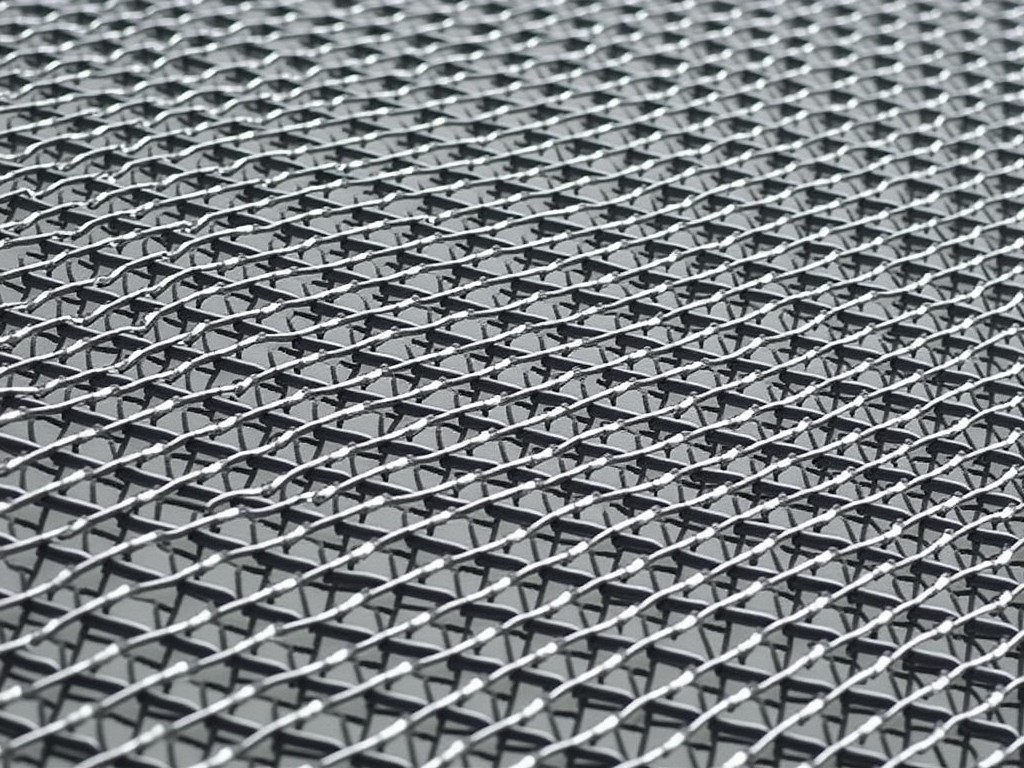
Product Categories


Send Inquiry
If you are interested in our products, leave your information here and we will be in touch shortly.