Oem Stainless Steel Aviary Wire Mesh Netting
Designed for structural integrity in avian enclosures, this netting combines corrosion resistance with precise aperture control to ensure long-term performance in outdoor and indoor environments.

OEM Stainless Steel Aviary Wire Mesh Netting
Designed for structural integrity in avian enclosures, this netting combines corrosion resistance with precise aperture control to ensure long-term performance in outdoor and indoor environments. Material selection, wire diameter, and mesh geometry are engineered to balance strength, visibility, and bird safety.
Material Composition and Corrosion Resistance
The base material is austenitic stainless steel, typically AISI 304 or 316 grade, selected for its chromium-nickel alloy structure that forms a passive oxide layer resistant to atmospheric oxidation and chemical exposure. Grade 316 includes molybdenum, enhancing resistance to chloride-induced pitting in coastal or high-humidity installations. Wire is cold-drawn to achieve tensile strength between 800–1000 MPa, depending on diameter, ensuring dimensional stability under tension.
Mesh Geometry and Aperture Control
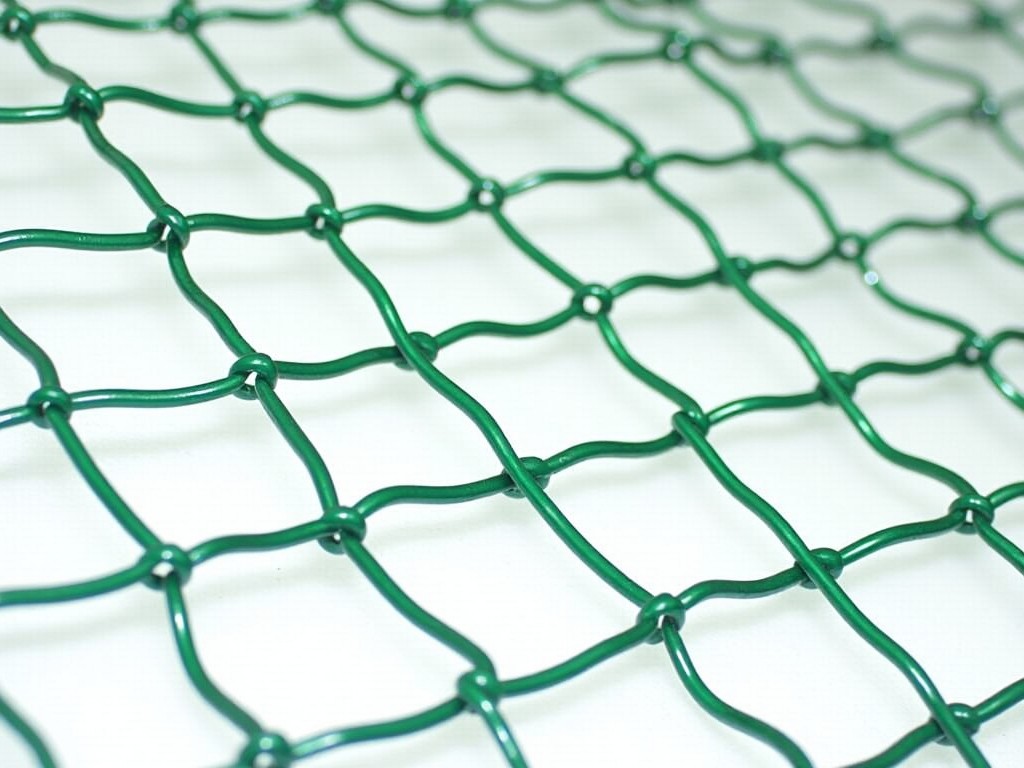
Aperture size is defined by the center-to-center distance between adjacent wires, directly influencing bird exclusion efficacy and visual transparency. Standard configurations range from 12.7 mm to 50.8 mm square openings, with smaller apertures used for finches or softbills and larger sizes for parrots or waterfowl. Wire diameter varies from 0.8 mm to 2.0 mm, affecting both breaking strength and flexibility during installation. The mesh is woven in a plain square pattern to ensure uniform load distribution and prevent stress concentration at joints.
Typical Specifications
| Parameter | Typical Range | Notes |
|---|---|---|
| Stainless Steel Grade | AISI 304 or 316 | 316 recommended for marine or high-chloride environments |
| Wire Diameter | 0.8 mm – 2.0 mm | Cold-drawn; tensile strength 800–1000 MPa |
| Aperture Size | 12.7 mm – 50.8 mm | Square mesh; center-to-center measurement |
| Roll Width | 0.5 m – 3.0 m | Custom widths available upon request |
| Roll Length | 10 m – 50 m | Standard lengths; longer runs spliced with approved connectors |
Key Design Considerations for Aviary Applications
Bird safety requires mesh edges to be smooth and free of burrs to prevent feather or foot injury during contact. The netting is typically supplied with rolled edges or heat-sealed borders to eliminate sharp protrusions. Tensioning systems must account for wire elongation under load; initial pretension is set to 10–15% of breaking strength to maintain aperture integrity over time. UV stability is inherent in stainless steel, unlike polymer-coated alternatives that may degrade under prolonged sun exposure.
Customization Options
- Wire diameter: 0.8 mm, 1.0 mm, 1.2 mm, 1.6 mm, 2.0 mm
- Aperture: 12.7 mm, 19.0 mm, 25.4 mm, 38.1 mm, 50.8 mm
- Grade: AISI 304 (standard), AISI 316 (marine environments)
- Roll width: 0.5 m to 3.0 m in 0.1 m increments
- Edge treatment: raw, rolled, or heat-sealed border
- Surface finish: mill finish or electropolished for enhanced cleanability
Quality Assurance and Testing
Each batch undergoes dimensional verification using optical comparators to confirm aperture tolerance within ±0.5 mm. Wire diameter is measured via micrometer at multiple points per roll to ensure consistency. Tensile strength is validated per ASTM A370 on random samples. Visual inspection identifies surface defects such as scratches, inclusions, or inconsistent weaving. Packaging includes corrosion-inhibiting interleaving and UV-resistant outer wrapping to prevent degradation during transit and storage.
Applications in Avian Facilities
This netting is used in zoo aviaries, wildlife rehabilitation centers, commercial bird breeding facilities, and ornamental garden enclosures where containment, visibility, and durability are critical. Unlike nylon or polyethylene alternatives, stainless steel maintains structural properties across seasonal temperature cycles (-20°C to +80°C) without embrittlement or creep. Its non-reflective surface minimizes visual stress for birds, while open area ratios exceeding 60% ensure adequate airflow and light penetration for plant growth in mixed-species exhibits.
Product Categories


Send Inquiry
If you are interested in our products, leave your information here and we will be in touch shortly.