Oem Stainless Steel Welded Wire Panels
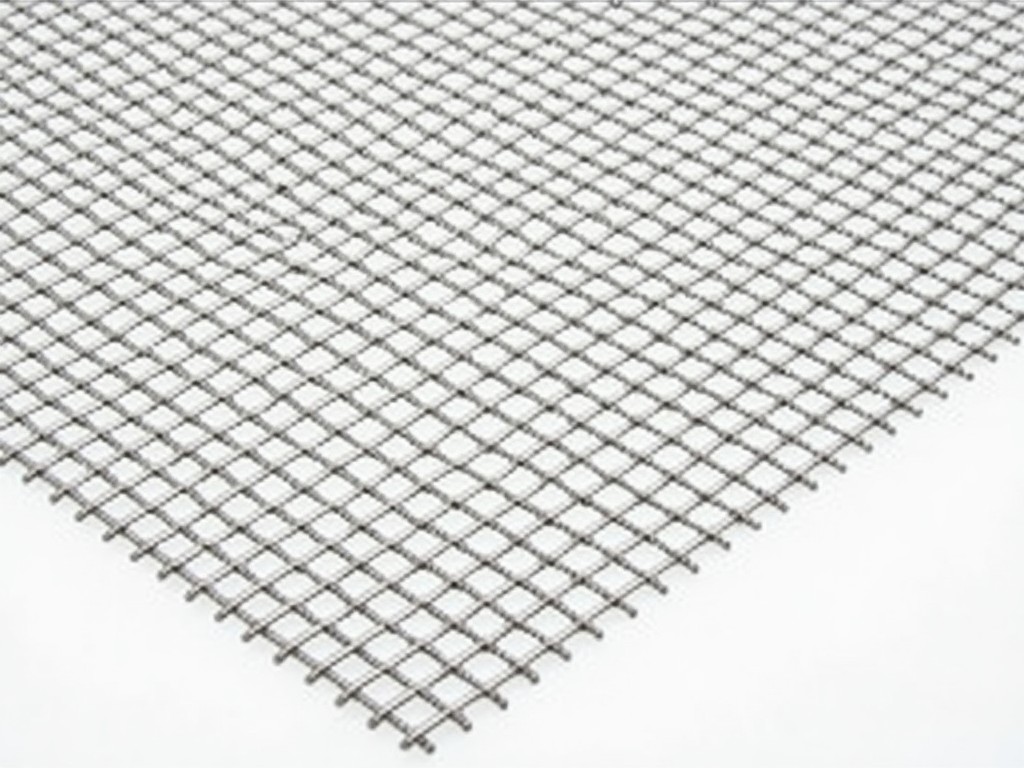
Stainless steel welded wire panels are engineered components formed by resistance welding intersecting wires at precise intervals to create a rigid, load-bearing grid. Unlike woven or knitted meshes,
OEM Stainless Steel Welded Wire Panels
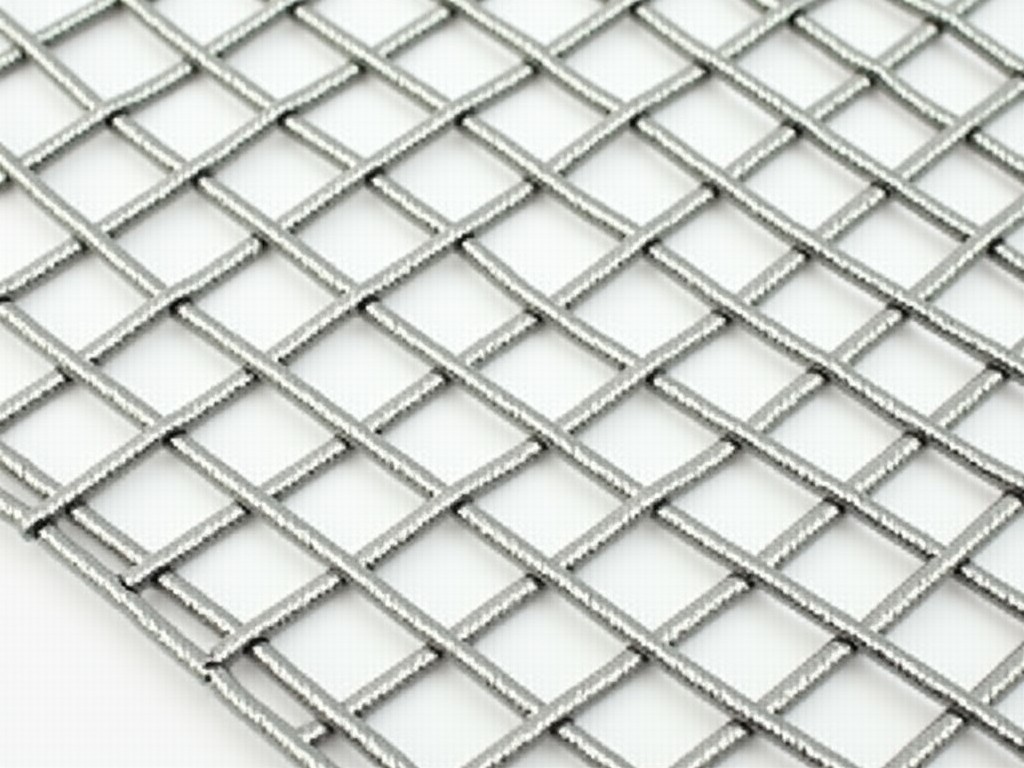
Stainless steel welded wire panels are engineered components formed by resistance welding intersecting wires at precise intervals to create a rigid, load-bearing grid. Unlike woven or knitted meshes, the welded junctions eliminate slippage under stress, maintaining aperture integrity in dynamic environments. These panels serve as structural elements in industrial systems where dimensional stability, corrosion resistance, and mechanical strength are non-negotiable.
Material selection begins with austenitic stainless steel grades—primarily 304 and 316L—chosen for their chromium-nickel composition that forms a passive oxide layer resisting oxidation and chemical attack. Wire diameter, typically ranging from 1.0 mm to 6.0 mm, directly influences tensile strength and deflection under load. Aperture sizes vary from 6 mm × 6 mm for fine filtration to 100 mm × 100 mm for structural infill, with custom configurations available to match specific process requirements.
Key Engineering Characteristics
Weld strength is a critical performance factor, measured as a percentage of the parent wire’s tensile strength. Resistance welding parameters—current, pressure, and time—are optimized to achieve weld efficiency exceeding 80%, ensuring the joint fails only after the wire itself yields. This consistency is verified through destructive testing on sample coupons, not visual inspection alone.
Panel flatness is maintained through stress-relief annealing after welding, reducing residual stresses that could cause warping during handling or installation. Edge treatment options include flared, flattened, or capped wires to prevent snagging and improve safety in high-contact applications. Panels are typically supplied in standard widths up to 1500 mm, with lengths limited only by handling constraints and transport logistics.
| Parameter | Typical Range | Notes |
|---|---|---|
| Wire Diameter | 1.0 mm – 6.0 mm | Selected based on load and deflection limits |
| Aperture Size | 6 mm – 100 mm | Square or rectangular; custom patterns available |
| Material Grade | 304, 316L, 316Ti | 316L preferred for chloride environments |
| Weld Efficiency | ≥80% of wire tensile strength | Verified via tensile testing of weld zones |
| Flatness Tolerance | ≤3 mm deviation over 1 m | Achieved through post-weld annealing |
Industrial Applications and Functional Rationale
In food processing equipment, these panels function as belt supports, drying trays, and separation screens where hygiene and cleanability are paramount. The smooth, crevice-free weld junctions prevent bacterial harborage, and the 316L variant withstands frequent washdowns with alkaline cleaners and steam sterilization without pitting or crevice corrosion.
For architectural infill in mezzanine guards, machine enclosures, and elevator cages, the panels provide fall protection while maintaining visibility and airflow. The rigid structure resists deformation under impact loads, and the welded construction eliminates the risk of wire displacement that could create hazardous gaps over time—unlike woven alternatives that may loosen under vibration.
In chemical processing, panels serve as catalyst supports, reactor internals, and filtration media where exposure to acids, solvents, or elevated temperatures demands material stability. The uniform aperture ensures consistent flow distribution, and the high open area minimizes pressure drop while retaining structural integrity under differential pressure.
Customization and Manufacturing Considerations
Customization extends beyond dimensions to include edge treatments, surface finishes, and secondary operations. Edges can be flattened to eliminate sharp protrusions, flared for easier insertion into frames, or fitted with welded tabs for mechanical fastening. Surface finishes range from mill finish to electropolished, the latter enhancing corrosion resistance in sanitary applications by reducing surface roughness to below 0.4 µm Ra.
Secondary operations such as bending, notching, or hole punching are performed after welding to avoid weakening the weld zones. All forming processes follow strict bend radius guidelines—typically no less than 2× wire diameter—to prevent cracking. Panels intended for outdoor exposure may undergo passivation treatment to maximize the chromium oxide layer, particularly in marine or industrial atmospheres.
Quality Assurance and Inspection Protocol
Quality control begins with raw material certification, verifying chemistry and mechanical properties against ASTM A240 or EN 10088 standards. In-process monitoring includes weld tension testing at defined intervals, dimensional verification via laser scanning or calibrated fixtures, and visual inspection for weld consistency, spatter, and surface defects under 10x magnification.
Final inspection confirms aperture accuracy, panel squareness, edge integrity, and flatness using calibrated gauges and coordinate measuring machines (CMM) for complex geometries. Documentation includes material test reports (MTRs), weld procedure specifications (WPS), and inspection records traceable to batch numbers. Non-conforming items are segregated and analyzed to prevent recurrence.
Product Categories


Send Inquiry
If you are interested in our products, leave your information here and we will be in touch shortly.