Oem Steel Security Screens For Windows
Steel security screens for windows are engineered barriers designed to resist forced entry while maintaining visibility and ventilation. Unlike standard window grilles, these systems integrate
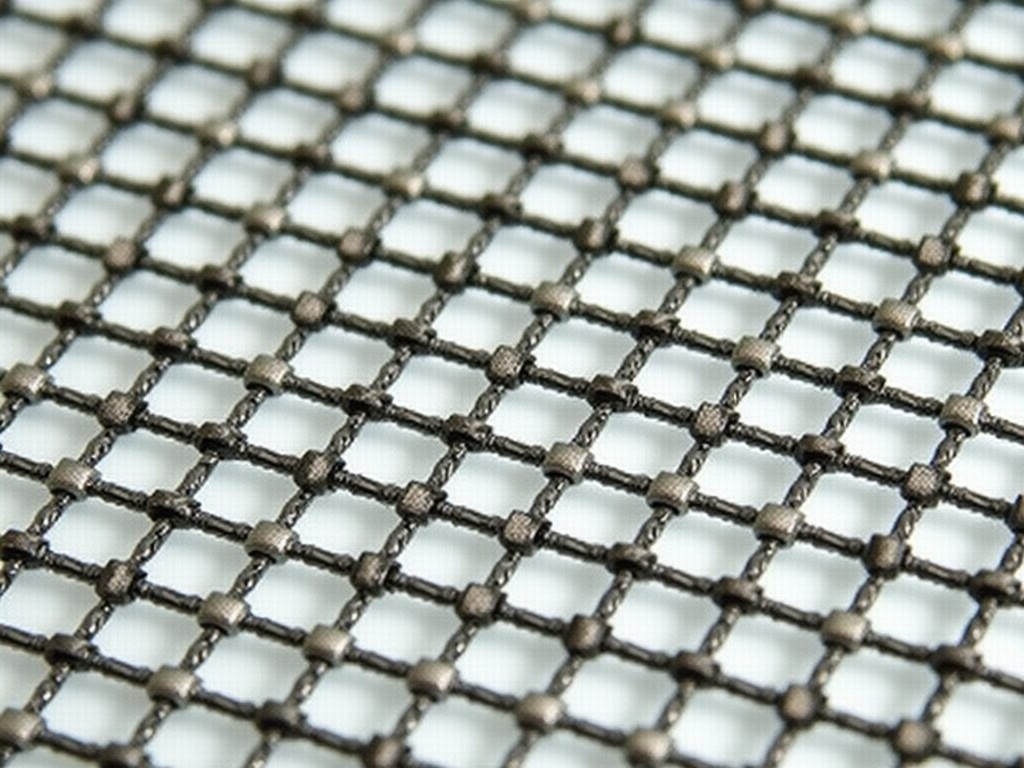
OEM Steel Security Screens for Windows
Steel security screens for windows are engineered barriers designed to resist forced entry while maintaining visibility and ventilation. Unlike standard window grilles, these systems integrate high-tensile steel mesh with reinforced framing to meet specific intrusion resistance standards. Their primary function is to delay or prevent unauthorized access without compromising architectural aesthetics or operational functionality of the window assembly.
Material Composition and Structural Properties
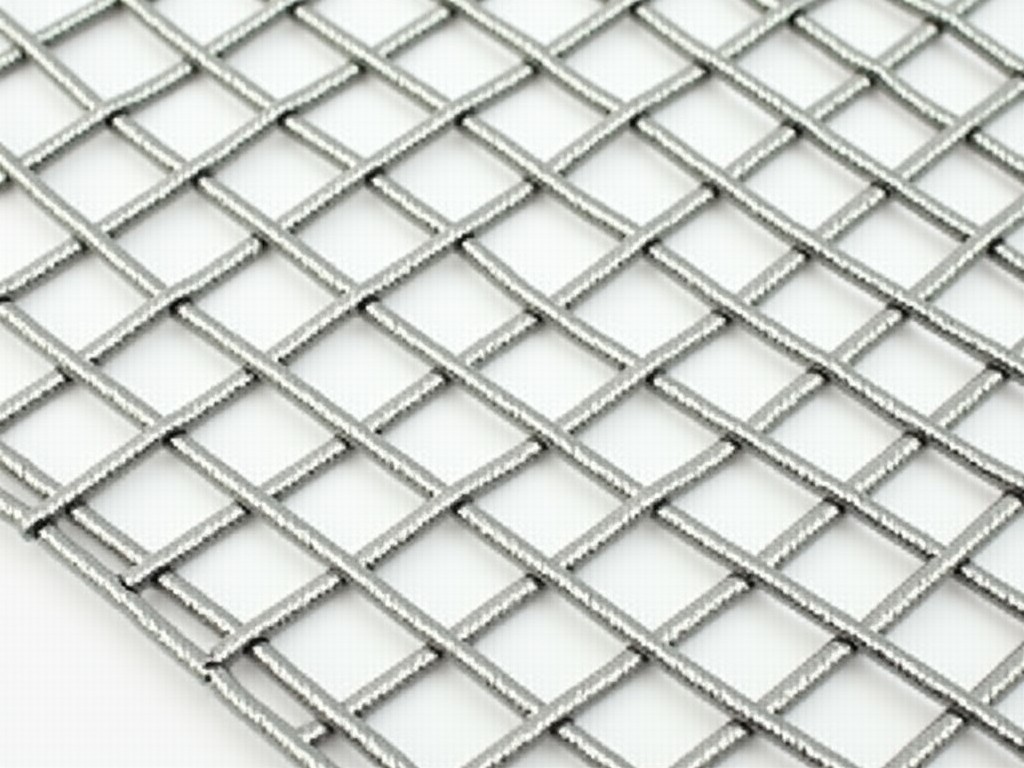
The screen mesh is typically manufactured from cold-drawn low-carbon steel wire, with diameters ranging from 2.0 mm to 3.2 mm depending on security requirements. Wire is woven into a uniform pattern—commonly square or rectangular apertures of 12.7 mm × 12.7 mm or 25.4 mm × 25.4 mm—to balance strength, airflow, and visual clarity. Frames are constructed from extruded aluminum or galvanized steel sections, selected based on load-bearing needs and corrosion exposure. All joints are either welded or mechanically fastened using corrosion-resistant fasteners to ensure structural integrity under dynamic load.
Security Performance Characteristics
Resistance to forced entry is evaluated through standardized testing protocols that simulate common attack methods: cutting, kicking, levering, and tool-based penetration. Performance is quantified by the duration of resistance under specified force levels, often expressed in seconds or minutes before breach. Higher security ratings correlate with increased wire diameter, reduced aperture size, and enhanced frame anchoring. Screens designed for commercial or high-risk residential applications may achieve resistance times exceeding 3 minutes under sustained attack, significantly increasing the likelihood of detection or intervention.
Design Integration and Installation Considerations
These screens are designed as retrofit or factory-integrated solutions, compatible with common window types including casement, sliding, awning, and fixed units. Mounting methods vary: surface-mounted frames attach to the window reveal or surrounding structure, while flush-mounted systems sit within the opening to maintain a low-profile appearance. Clearance requirements depend on window operation—screens must not interfere with sash movement, hardware operation, or weather sealing. Proper installation includes sealing gaps to prevent water ingress and using compatible fasteners to avoid galvanic corrosion when dissimilar metals are in contact.
Environmental Durability and Surface Treatment
Long-term performance depends on protection against environmental degradation. Steel components undergo surface treatment to inhibit rust formation, with options including hot-dip galvanizing (minimum 55 μm zinc coating), powder coating (typically 60–80 μm thickness), or a combination of both for enhanced barrier protection. Coastal or industrial environments may require additional measures such as marine-grade alloys or supplementary sealants. The screen mesh itself is often pre-galvanized during wire drawing to ensure uniform coverage, especially at weld points and cut edges where base metal is exposed.
Customization Parameters for OEM Applications
OEM supply allows full adaptation to project-specific dimensions, performance targets, and interface requirements. Key customizable variables include overall height and width (typically ranging from 300 mm to 2400 mm in either dimension), mesh aperture size, wire gauge, frame profile geometry, mounting hole patterns, and finish color. Integration with existing window systems may require adaptive brackets, mullion covers, or interlocking features to ensure seamless operation. Design inputs such as CAD models, performance specifications, or sample windows are typically required to initiate tooling and prototyping.
| Parameter | Typical Range | Notes |
|---|---|---|
| Wire Diameter | 2.0 mm – 3.2 mm | Selected based on required cut and impact resistance |
| Mesh Aperture | 12.7 mm × 12.7 mm or 25.4 mm × 25.4 mm | Smaller apertures increase resistance but reduce airflow |
| Frame Depth | 25 mm – 50 mm | Determined by mounting method and load distribution |
| Zinc Coating (Galvanizing) | Minimum 55 μm | Hot-dip process; thicker coatings available for harsh environments |
| Powder Coating Thickness | 60–80 μm | Available in standard RAL colors; custom matches possible |
| Standard Width Range | 300 mm – 2400 mm | Height and width independently customizable |
Typical Applications Across Sectors
These screens are specified where security must be balanced with environmental control and visual access. In multi-family residential buildings, they protect ground-floor windows without obstructing egress or natural light. Retail storefronts use them to deter smash-and-grab attempts while allowing product visibility after hours. Educational and healthcare facilities install them in ground-level or accessible areas to prevent vandalism and unauthorized entry, particularly in zones where constant monitoring is impractical. Industrial sites apply them to office windows or control rooms located within perimeter zones, where internal staff require visibility but external threats remain a concern.
Quality Assurance and Testing Protocols
Manufacturing consistency is verified through dimensional inspection of wire diameter, aperture uniformity, and frame squareness. Mechanical properties such as tensile strength and elongation are tested on wire samples per batch. Finished assemblies may undergo static load testing to confirm frame anchoring strength and dynamic impact assessments using standardized impact tools. Surface treatment quality is validated via coating thickness measurements (magnetic or eddy current probes) and adhesion testing (cross-hatch method). For projects requiring certified performance, third-party test reports can be provided upon request, detailing resistance to specific attack sequences or environmental exposure cycles.
Product Categories


Send Inquiry
If you are interested in our products, leave your information here and we will be in touch shortly.