Oem Ultra Fine Stainless Steel Mesh
Ultra fine stainless steel mesh is a precision-engineered filtration and separation medium characterized by microscopic opening sizes, typically ranging from 1 to 50 micrometers. It is manufactured

OEM Ultra Fine Stainless Steel Mesh
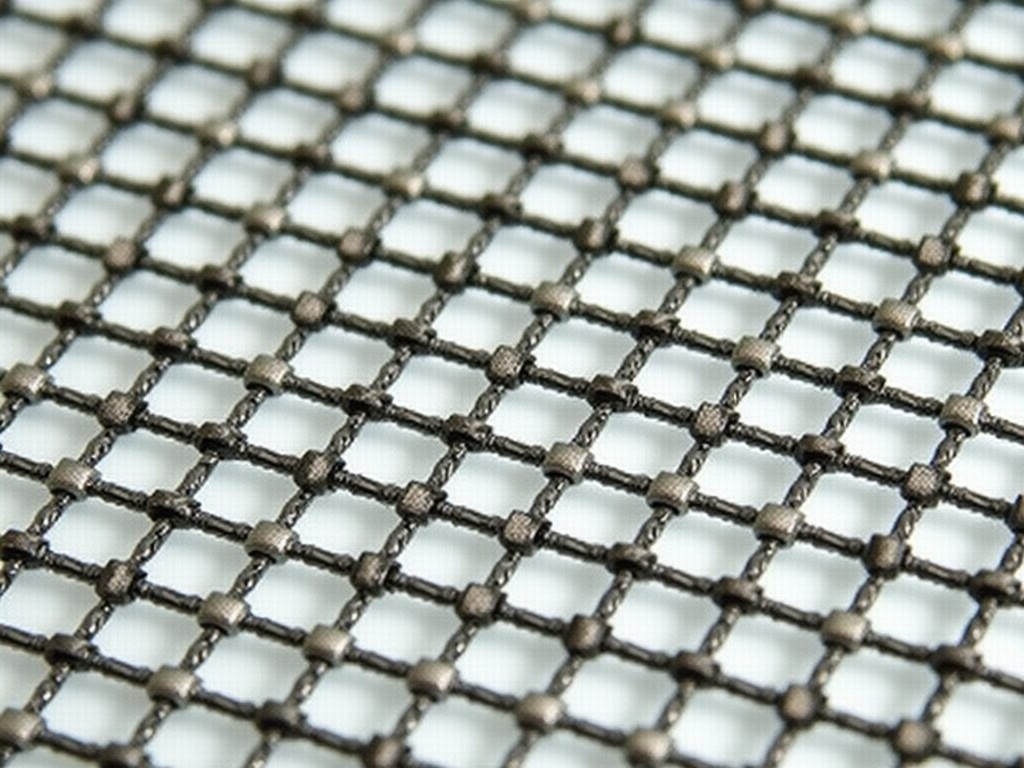
Ultra fine stainless steel mesh is a precision-engineered filtration and separation medium characterized by microscopic opening sizes, typically ranging from 1 to 50 micrometers. It is manufactured from austenitic or martensitic stainless steel alloys drawn into filaments as thin as 10 microns, then woven using specialized looms to achieve consistent pore geometry. The resulting structure provides high tensile strength, chemical inertness, and dimensional stability under demanding process conditions. Unlike coarser meshes, ultra fine variants enable the retention of sub-micron particulates while maintaining adequate flow rates for continuous industrial operation. This balance of filtration efficiency and mechanical durability makes it suitable for applications where standard filters fail due to clogging, deformation, or chemical attack.
Material Selection and Alloy Properties
The base material for ultra fine mesh is selected based on corrosion resistance, mechanical strength, and thermal stability required in the target environment. Grade 316L stainless steel is commonly used due to its low carbon content, which minimizes sensitization during welding and enhances resistance to pitting and crevice corrosion in chloride-containing environments. For higher strength applications, grades 304L or 17-7 PH may be specified, offering improved yield strength while maintaining formability for weaving. In aggressive chemical or high-temperature settings, alloys such as 904L, Hastelloy, or titanium may be employed, though these increase material and processing costs. Filament diameter directly influences both open area and burst strength; thinner filaments increase filtration precision but reduce tensile load capacity, necessitating careful trade-off analysis during design.
Weaving Techniques and Structural Integrity
Producing ultra fine mesh requires precision weaving equipment capable of handling filaments under 20 microns in diameter without breakage or deformation. Plain weave is the most common pattern, offering symmetrical flow resistance and ease of cleaning, while twill weave provides higher open area and improved dirt holding capacity for viscous fluids. Dutch weave variations—such as plain Dutch or twill Dutch—are frequently used in ultra fine applications, where a dense warp direction and looser weft create a gradient filtration structure that captures particles across a range of sizes. The tight crimp intercrossing of filaments in these patterns enhances mechanical interlock, reducing the risk of shift or deformation under differential pressure. Post-weaving processes such as calendering or electropolishing may be applied to smooth surface asperities and further reduce particle entrapment.
Typical Specifications and Performance Parameters
| Parameter | Typical Range | Notes |
|---|---|---|
| Filament Diameter | 8–25 μm | Measured via laser microscopy; tolerance ±1 μm |
| Nominal Opening Size | 1–50 μm | Based on bubble point testing; actual retention may vary |
| Open Area Percentage | 15–45% | Depends on weave pattern and wire diameter |
| Tensile Strength (Warping Direction) | 800–2000 MPa | Dependent on alloy and cold work from drawing |
| Maximum Operating Temperature | 400–800°C | Limited by alloy oxidation resistance; inert atmosphere extends range |
| Corrosion Resistance | Excellent in aqueous, alkaline, mild acid | Reduced in oxidizing acids or high-chloride hot environments |
Industrial Applications and Process Rationale
In pharmaceutical manufacturing, ultra fine mesh is used for sterile filtration of biologics and vaccine formulations, where removal of viruses and endotoxins requires absolute retention below 0.1 μm. The metal construction allows for steam-in-place (SIP) and autoclave sterilization without degradation, unlike polymeric membranes that may leach additives or deform under heat. In semiconductor wafer processing, the mesh serves as a support layer for photoresist filtration, preventing particle shedding that could cause defects during lithography. Its dimensional stability ensures consistent flow distribution across large-area substrates, critical for uniform coating thickness. In catalyst recovery systems, ultra fine mesh enables the separation of nano-sized precious metal colloids from reaction mixtures, allowing for recycle and reducing raw material consumption. The inert nature of stainless steel prevents catalytic poisoning or unwanted side reactions during extended use.
Customization Options and Engineering Considerations
OEM suppliers typically offer customization across multiple dimensions to meet specific process requirements. Mesh dimensions can be cut to precise diameters, rectangles, or custom profiles using laser or ultrasonic cutting to avoid burrs or deformation. Edge treatments such as welding, overmolding with PTFE or silicone, or crimping into stainless steel frames are available to prevent fraying and ensure sealing integrity in housing assemblies. For applications requiring directional flow control, anisotropic weaves can be engineered where warp and weft densities differ, creating gradient filtration properties. Surface modifications including electropolishing, passivation, or PVD coatings (e.g., TiN, DLC) may be applied to enhance lubricity, reduce fouling, or improve wear resistance in abrasive slurries. All customizations are subject to feasibility reviews based on filament thickness, alloy ductility, and intended cleaning methods.
Quality Assurance and Inspection Protocols
Quality verification begins with raw material certification, including mill test reports confirming chemical composition and mechanical properties of the stainless steel wire. During production, in-line monitoring tracks tension, pick count, and weave consistency using machine vision systems to detect missing threads or tension variations. Final inspection includes bubble point testing to confirm pore size distribution, air permeability testing to validate flow characteristics, and visual examination under 10–50x magnification to identify weaving defects, contaminants, or damage. Dimensional checks are performed using calibrated optical comparators or CMMs to ensure conformance to specified width, length, and squareness. For regulated industries, traceability documentation links each batch to raw material lot, machine parameters, and inspection records. Cleanliness levels are assessed via gravimetric analysis or particle counting per ISO 16232 or VDA 19 standards when required.
Packaging, Handling, and Storage Guidelines
To preserve surface integrity and prevent contamination, ultra fine mesh is typically packaged in cleanroom environments using double-layer anti-static polyethylene bags sealed with desiccant packs. Sheets or discs are interleaved with acid-free tissue or placed in rigid trays to avoid creasing or abrasion during transit. For roll goods, the mesh is wound onto corrosion-resistant cores with protective outer wraps and labeled with batch numbers, material grade, and nominal specifications. Storage should occur in a dry, temperature-stable environment away from direct sunlight, solvents, or particulate sources. Handling requires powder-free gloves and non-abrasive tools to avoid transferring oils or inducing micro-scratches that could compromise filtration performance. Upon receipt, users are advised to inspect for transit damage and conduct a preliminary bubble point test if the mesh is intended for critical filtration applications.

Product Categories


Send Inquiry
If you are interested in our products, leave your information here and we will be in touch shortly.