Stainless Steel Perforated Sheet Manufacturers
Perforated stainless steel sheets are engineered components featuring precisely arranged hole patterns punched through corrosion-resistant alloy substrates. These products serve critical functions in
Stainless Steel Perforated Sheet Manufacturers
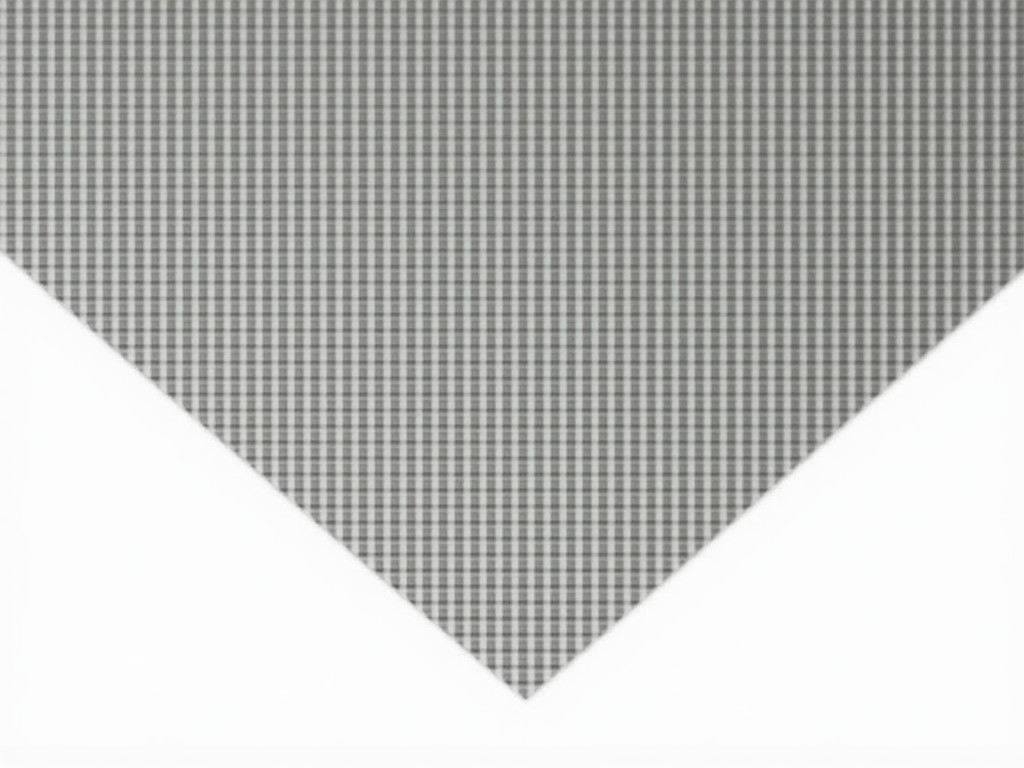
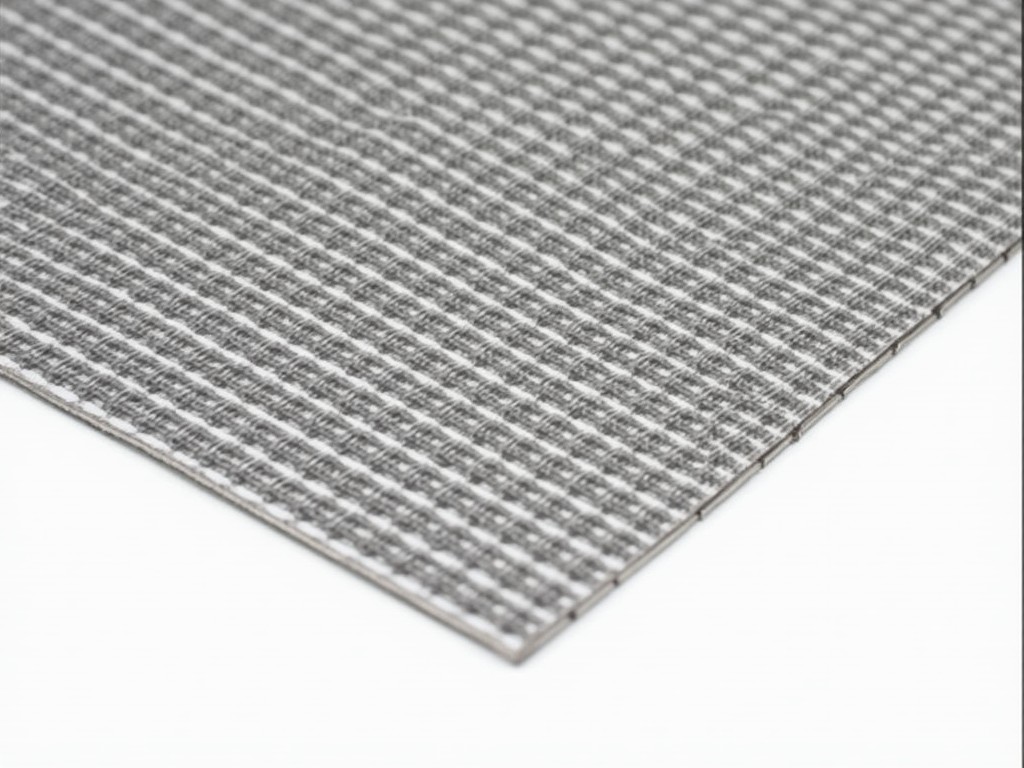
Perforated stainless steel sheets are engineered components featuring precisely arranged hole patterns punched through corrosion-resistant alloy substrates. These products serve critical functions in industrial environments where structural integrity, fluid dynamics, and surface interaction must be controlled simultaneously. Manufacturers produce them using CNC punch presses or laser systems to achieve repeatable dimensional accuracy across large production runs.
The selection of hole geometry, open area percentage, and material thickness directly influences performance characteristics such as pressure drop, filtration efficiency, acoustic damping, and load-bearing capacity. Engineers specify these parameters based on fluid dynamics calculations, mechanical stress analysis, or electromagnetic shielding requirements rather than aesthetic preferences alone.
Material Grades and Alloy Selection
Austenitic stainless steels dominate perforated sheet production due to their formability and resistance to intergranular corrosion after welding or punching. Grade 304 (UNS S30400) provides adequate resistance to atmospheric oxidation and mild chemical exposure for general industrial use, while 316L (UNS S31603) incorporates molybdenum to resist pitting in chloride-containing environments such as marine equipment or chemical processing lines.
Ferritic grades like 430 are selected when magnetic properties are required for sensor applications or when cost sensitivity outweighs the need for high nickel content. Duplex alloys such as 2205 offer enhanced yield strength for high-pressure filtration systems where thickness reduction is critical. Material certification to EN 10204 3.1 is typically provided upon request to verify chemical composition and mechanical properties.
Perforation Patterns and Open Area Calculations
Hole arrangements follow standardized geometries to predict flow behavior and structural performance. Common patterns include staggered 60° rows (most efficient for flow), straight rows (simplified alignment), and diagonal layouts (oriented for specific stress distributions). Hole shapes range from round and square to slotted and hexagonal, each affecting turbulence generation and clogging resistance differently.
Open area percentage—the ratio of hole surface to total sheet area—is calculated using geometric formulas based on hole diameter, pitch, and pattern. For example, a staggered round hole pattern with 3mm diameter and 6mm pitch yields approximately 23% open area. This value directly impacts pressure drop in filtration systems and airflow rates in ventilation components, making it a key design parameter rather than a secondary characteristic.
Thickness Tolerances and Flatness Control
Material thickness is specified in millimeters or gauges, with standard ranges from 0.5mm to 6.0mm for most industrial applications. Thinner sheets (<1.0mm) are prone to distortion during punching and require backup dies or laser processing to maintain hole edge quality. Thicker sections (>3.0mm) demand higher punch tonnage and may exhibit burr formation requiring secondary deburring operations.
Flatness is measured using I-Units or bridge deviation methods, with typical tolerances of 3-5mm/m for standard production. Precision applications such as semiconductor equipment or optical housings may require flattening to <1mm/m through roller leveling or stretcher leveling post-punching. Manufacturers control residual stress through annealing cycles between processing steps to prevent spring-back or warping during handling.
Surface Treatments and Edge Conditions
As-punched edges often exhibit micro-burrs and work-hardened zones that can initiate corrosion or cause abrasion in dynamic applications. Depending on end use, edges may be left as-punched for cost efficiency, deburred via brushing or tumbling for safety, or electropolished to remove surface contaminants and improve passivation. Electropolishing also reduces surface roughness (Ra <0.4μm) in hygienic industries like food processing or pharmaceuticals.
Surface finishes follow ASTM A480 standards, with No. 2B being the default cold-rolled finish for most industrial grades. Brushed (No. 4) or mirror (No. 8) finishes are available upon request for architectural or visible components where appearance influences maintenance or cleaning protocols. Passivation treatments using nitric or citric acid baths are standard after machining to restore the chromium oxide layer disrupted during punching.
Quality Control and Inspection Protocols
Dimensional verification begins with first-article inspection using coordinate measuring machines (CMMs) or vision systems to confirm hole position, diameter, and pattern repeatability. Statistical process control (SPC) tracks critical dimensions over production batches, with control limits typically set at ±3σ for hole pitch and ±0.1mm for diameter. Edge burr height is measured using profilometers, with acceptance criteria often below 0.05mm for food-contact applications.
Material integrity is verified through positive material identification (PMI) using XRF analyzers to confirm alloy grade before and after processing. Visual inspection under standardized lighting detects surface defects such as scratches, pits, or roll marks. For pressure-rated components, hydrostatic or pneumatic testing may be conducted per ASME Section VIII Division 1, though this is application-specific and not standard for all perforated sheets.
Typical Industrial Applications
In chemical processing, perforated sheets function as support grids for catalyst beds in fixed-bed reactors, where open area ensures uniform fluid distribution while resisting mechanical vibration. The corrosion resistance of 316L prevents degradation from acidic or alkaline process streams, and the dimensional stability maintains catalyst bed integrity over extended run times.
Architectural facades use perforated panels for solar shading and ventilation, where hole pattern density calculates shadow coefficients to reduce HVAC load. The material’s resistance to urban pollution and salt spray ensures longevity without coating degradation. In food processing, perforated trays enable drainage and airflow during washing or cooling cycles, with electropolished surfaces meeting 3-A Sanitary Standards for clean-in-place (CIP) compatibility.
Acoustic enclosures employ perforated sheets as facing materials over sound-absorbing cores, where hole size and spacing are tuned to target frequency ranges via Helmholtz resonance principles. The structural stiffness of the sheet prevents sagging over large spans, maintaining acoustic performance. Industrial filtration systems use them as pre-filters or diffuser plates, where open area and hole geometry minimize pressure drop while capturing particulates above a specified micron rating.
Customization Capabilities
Manufacturers accommodate non-standard hole patterns through custom tooling design or laser programming, enabling complex geometries such as variable pitch gradients or localized reinforcement zones. Sheet dimensions are typically limited by raw material coil width (up to 1500mm) and press bed length (up to 6000mm), with splicing available for larger assemblies using laser welding or mechanical fastening.
Secondary operations include bending, rolling, or forming to create cylindrical, conical, or boxed profiles for ductwork or enclosures. Notches, tabs, or mounting holes can be integrated during the primary punching cycle to reduce assembly steps. Tolerances on fabricated features are generally ±0.5mm unless specified otherwise, with tighter tolerances requiring additional fixturing or measurement cycles.
Packaging and Logistics
Sheets are stacked vertically on pallets with interleaving paper or plastic film to prevent surface abrasion during transit. Edge protection using cardboard or polyethylene corners mitigates impact damage from forklift handling. For moisture-sensitive grades or humid climates, desiccant packs and vapor-barrier wrapping are applied inside sealed crates to maintain surface integrity.
Long-length sheets (>3000mm) require specialized handling equipment and may be shipped in wooden crates with internal bracing to prevent flexing. Export shipments comply with ISPM 15 standards for wood packaging, and documentation includes mill test reports, material certificates, and origin declarations. Typical lead times range from 2-4 weeks for stock materials and 6-8 weeks for custom alloys or tooling-dependent patterns, depending on production scheduling and raw material availability.
For technical inquiries, material specifications, or quotation requests regarding perforated stainless steel sheets, contact our engineering team to discuss your application requirements.
Request Technical Specification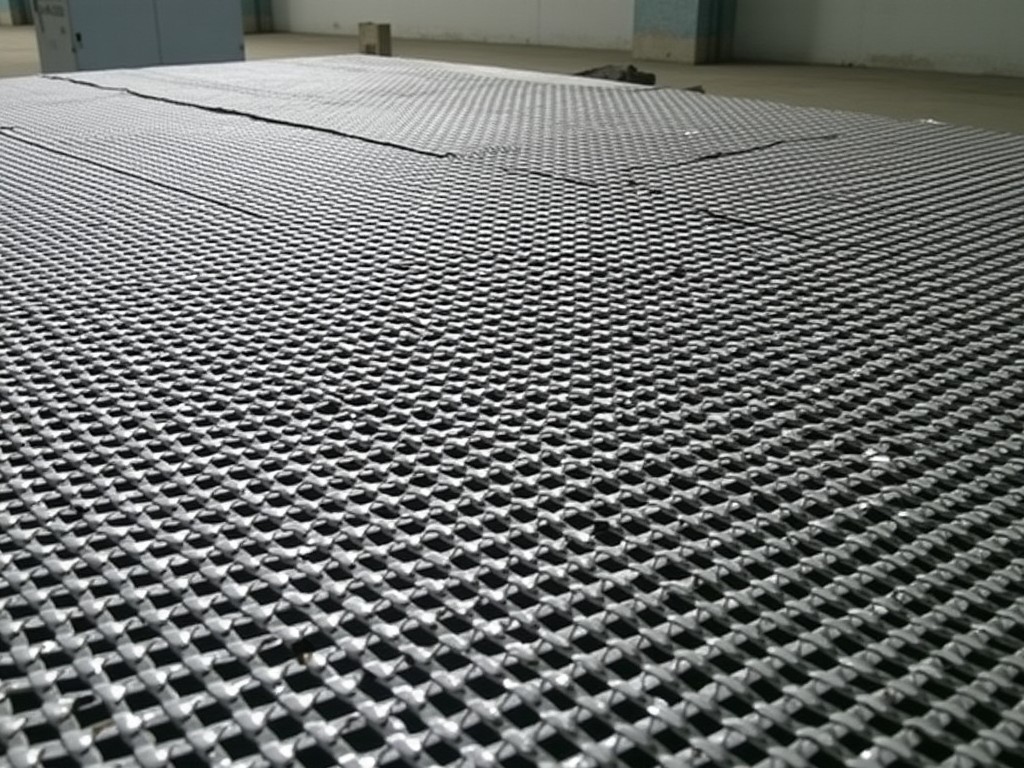
Product Categories


Send Inquiry
If you are interested in our products, leave your information here and we will be in touch shortly.