Stainless Steel Perforated Sheet Price
The price of stainless steel perforated sheet depends on material grade, hole pattern, open area percentage, sheet thickness, and order volume. Understanding these variables helps procurement teams
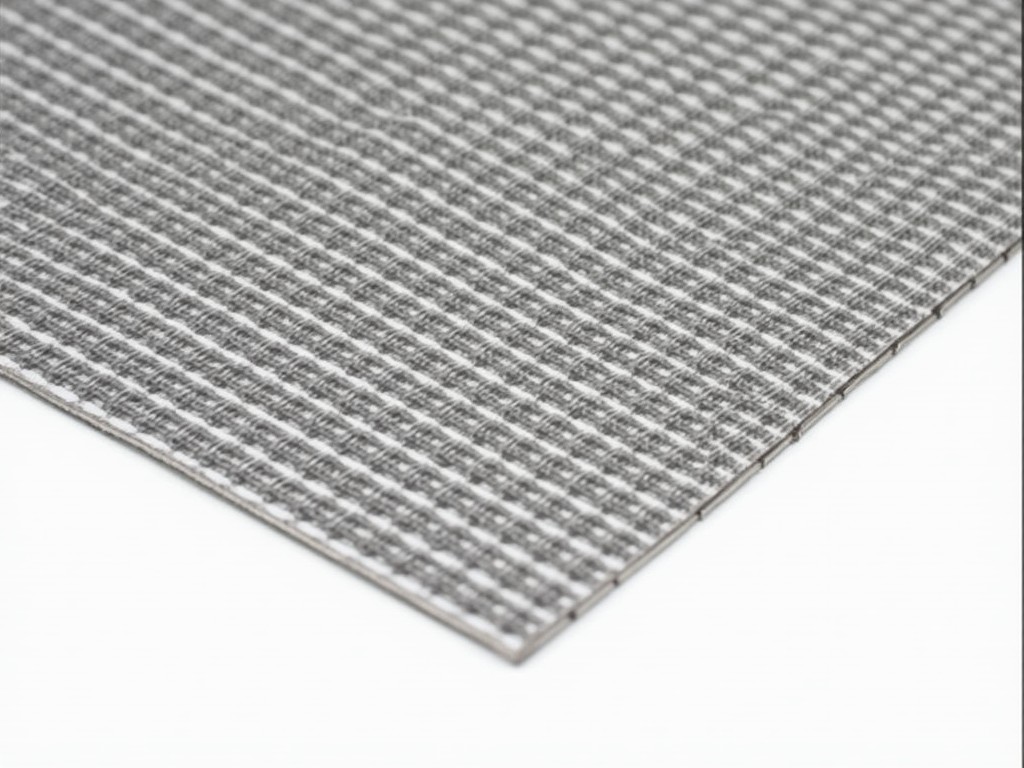
Stainless Steel Perforated Sheet Price
The price of stainless steel perforated sheet depends on material grade, hole pattern, open area percentage, sheet thickness, and order volume. Understanding these variables helps procurement teams evaluate quotations accurately and avoid unexpected cost variations during project execution.
Key Factors Influencing Price
Material grade is the primary cost driver. Austenitic grades like 304 and 316L carry a premium over ferritic 430 due to higher nickel and molybdenum content, which improve corrosion resistance in aggressive environments. Thickness also scales cost linearly—thicker sheets require more raw material and longer punching cycles.
Hole geometry affects manufacturing complexity. Round holes are the most economical to produce; slotted, square, or decorative patterns increase tooling wear and cycle time, raising unit cost. Open area percentage inversely correlates with price—higher open areas mean more material removed, but also faster processing; however, very high open areas (>60%) may require secondary reinforcement, adding cost.
Sheet size and tolerances influence pricing. Standard widths (1000mm, 1250mm, 1500mm) minimize scrap, while custom widths increase material waste and setup time. Tighter tolerances on hole position or edge finish require additional inspection and may involve secondary operations like deburring or leveling.
Typical Price Ranges by Grade and Thickness
| Grade | Thickness (mm) | Typical Price Range (USD/m²) | Notes |
|---|---|---|---|
| 304 | 0.8 | 25–35 | Standard round hole, 30% open area |
| 304 | 1.5 | 40–55 | Standard round hole, 30% open area |
| 316L | 1.0 | 45–60 | Standard round hole, 30% open area |
| 430 | 1.0 | 20–30 | Standard round hole, 30% open area |
| 304 | 1.0 | 30–40 | Slotted pattern, 40% open area |
Prices are indicative and based on FOB factory pricing for orders exceeding 50 m². Smaller quantities may incur setup fees of $50–$150 per pattern. Surface finishes (e.g., brushed, mirror) add 10–20% to base cost. All values are subject to raw material fluctuations and should be confirmed with a formal quotation.
Volume Discounts and Order Considerations
Economies of scale apply significantly in perforated sheet production. Orders over 200 m² typically reduce unit cost by 15–25% due to optimized nesting, reduced changeover time, and bulk material purchasing. Just-in-time delivery schedules may increase cost if they prevent batch processing.
Custom hole patterns require new tooling, which carries a one-time charge of $200–$800 depending on complexity. This cost is amortized over the order volume—so for volumes under 50 m², tooling may represent a significant portion of the total price. For repeat orders, tooling is reused at no additional cost.
Edge treatment affects final cost. Mill edges are standard; deburred or rounded edges add $2–$5/m². Custom cutting to size (e.g., CNC shearing or laser) adds $3–$8/m² depending on precision and material thickness. Always confirm whether quoted price includes cutting to final dimensions.
How to Request an Accurate Quotation
To receive a precise price, provide: material grade (e.g., 304, 316L), thickness, hole shape and size, pitch (center-to-center distance), open area percentage, sheet dimensions (width × length), quantity, edge condition, surface finish, and delivery terms. Incomplete specifications often lead to revised quotes after initial review.
Indicate whether the sheet requires secondary processing such as bending, welding, or coating. These operations are priced separately and depend on geometry and accessibility. For architectural applications, specify if visual consistency across batches is required—this may necessitate material from the same melt lot.
Export orders should clarify packaging needs. Standard packaging uses waterproof paper and steel bands on pallets. For long-distance or humid climates, vapor-corrosion inhibitors (VCI) or desiccant packs are recommended and add $1–$2/m². Clearly state destination port to assess freight and handling implications.
Price Stability and Market Factors
Stainless steel perforated sheet prices are closely tied to nickel and chromium market indices. Quarterly price adjustments are common in long-term contracts. Buyers seeking price stability should discuss fixed-price agreements or material surcharge mechanisms with suppliers.
Lead time typically ranges from 2–4 weeks for stock grades and patterns. Custom orders or material not in stock may extend lead time to 6–8 weeks. Expedited production is possible but often incurs a 20–30% rush fee and may compromise quality if punching speed is increased beyond optimal parameters.
Always verify that the supplier provides material test certificates (MTC) and conformance to standards such as ASTM A240 or EN 10088-2. These documents validate grade and composition, reducing the risk of material substitution or non-conformance.
Product Categories


Send Inquiry
If you are interested in our products, leave your information here and we will be in touch shortly.