Stainless Steel Security Mesh Suppliers
Security mesh made from stainless steel is specified for perimeter protection, machine guarding, and structural reinforcement where corrosion resistance, tensile strength, and long-term durability

Stainless Steel Security Mesh Suppliers
Security mesh made from stainless steel is specified for perimeter protection, machine guarding, and structural reinforcement where corrosion resistance, tensile strength, and long-term durability are critical. Selecting a supplier requires evaluating material specifications, manufacturing capabilities, and quality control processes that align with project demands.
Material Composition and Corrosion Resistance
Stainless steel security mesh is typically manufactured from austenitic grades such as 304 or 316, selected for their chromium-nickel content that forms a passive oxide layer resisting oxidation and pitting. Grade 304 offers adequate resistance in urban and indoor environments, while 316, with added molybdenum, performs better in coastal, chemical, or high-chloride settings where pitting corrosion is a concern. Wire diameter and mesh opening size are chosen based on load requirements and threat level, with common wire diameters ranging from 2.0 mm to 5.0 mm and apertures from 12.5 mm to 50 mm.
Manufacturing Process and Structural Integrity
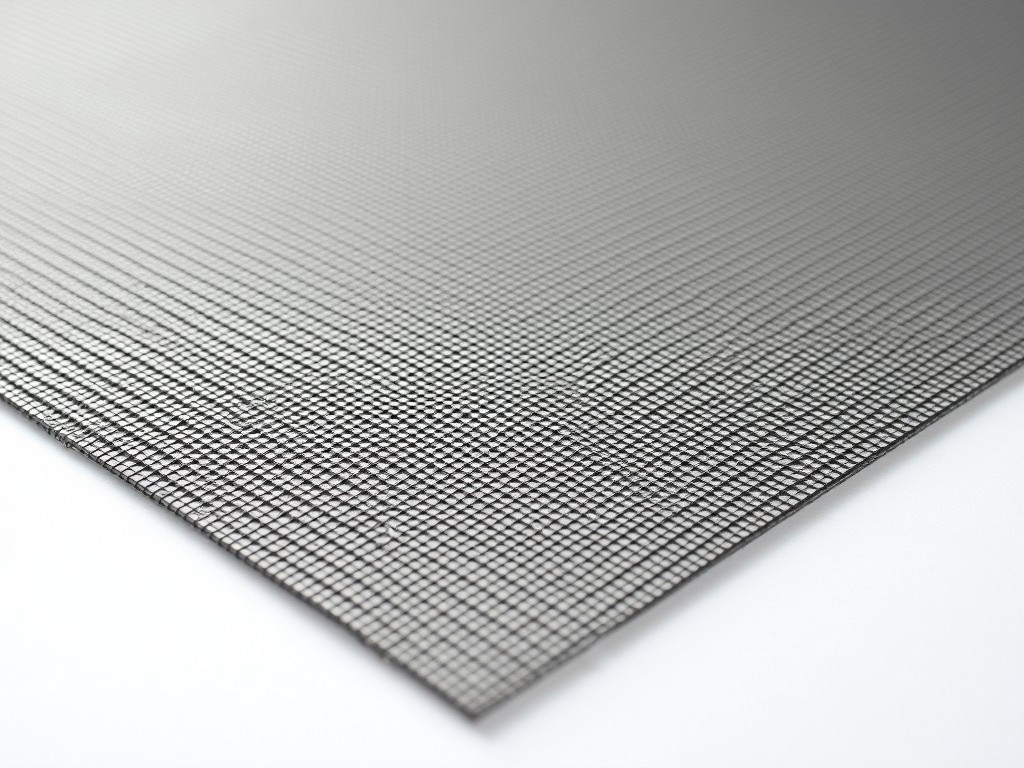
Security mesh is produced by weaving or welding stainless steel wire into a uniform grid. Welded mesh provides higher shear resistance and prevents wire displacement under impact, making it suitable for high-security applications such as prison fencing or industrial enclosure. Woven mesh offers flexibility and energy absorption, often used in fall protection or debris containment where some deformation is acceptable. Wire ends are typically finished to eliminate sharp edges, reducing installation hazards and maintenance risks.
Key Selection Criteria for Buyers
When specifying stainless steel security mesh, buyers should verify the following technical attributes to ensure performance and compliance:
- Wire grade certification (e.g., EN 10088-2, ASTM A240)
- Tensile strength of wire (typically 500–800 MPa for cold-drawn stainless steel)
- Mesh aperture size and wire diameter tolerance (±0.1 mm)
- Weld strength or interlock integrity (tested per ISO 9044 or equivalent)
- Surface finish (mill finish, passivated, or electropolished for enhanced corrosion resistance)
Applications Driven by Environmental and Mechanical Demands
The selection of stainless steel security mesh is driven by the need for a barrier that maintains structural integrity over decades without degradation. In marine environments, 316 grade mesh is used for offshore platform guarding and coastal flood barriers due to its resistance to salt spray-induced pitting. In food processing facilities, electropolished 304 mesh prevents bacterial harborage and withstands frequent washdowns with alkaline cleaners. For high-traffic public spaces such as transit stations, welded mesh with small apertures (≤12.5 mm) prevents object projection while allowing visibility and airflow.
Customization and Fabrication Options
Suppliers typically offer customization to meet specific project requirements, including:
- Custom panel dimensions and edge treatments (flattened, folded, or framed)
- Integration with mounting systems (brackets, posts, or concrete anchors)
- Secondary operations such as cutting, bending, or coating application
- Documentation including material test reports (MTRs) and conformity certificates
Quality Control and Testing Protocols
Reliable suppliers implement quality control at multiple stages: raw material inspection for chemical composition, in-process verification of wire diameter and tensile properties, and final inspection of mesh dimensions, weld integrity, and surface finish. Non-destructive testing such as visual inspection and magnetic particle testing may be applied to welds. For critical applications, batch testing for corrosion resistance (e.g., salt spray test per ASTM B117) can be arranged upon request.
| Specification | Typical Range or Requirement |
|---|---|
| Wire Grade | 304, 316, or 316L (custom grades available) |
| Wire Diameter | 2.0 mm – 5.0 mm (±0.1 mm tolerance) |
| Mesh Aperture | 12.5 mm – 50 mm (square or rectangular) |
| Tensile Strength (Wire) | 500 – 800 MPa (cold-drawn condition) |
| Surface Finish | Mill finish, passivated, electropolished |
| Corrosion Resistance | Dependent on grade; 316 suitable for chloride exposure |
Supply Chain and Lead Time Considerations
Production lead times for standard specifications typically range from 2 to 4 weeks, depending on order volume and material availability. Custom orders involving non-standard wire diameters, special grades, or secondary fabrication may extend lead times to 6–8 weeks. Suppliers should provide clear communication on material sourcing, especially for projects requiring traceable mill certifications or compliance with regional standards such as EN 1090 or AS/NZS 4671.

Product Categories


Send Inquiry
If you are interested in our products, leave your information here and we will be in touch shortly.