Stainless Steel Security Window Screen Mesh
Stainless steel security window screen mesh is engineered to provide physical intrusion resistance while maintaining visibility and airflow. Unlike standard insect screens, it uses high-tensile
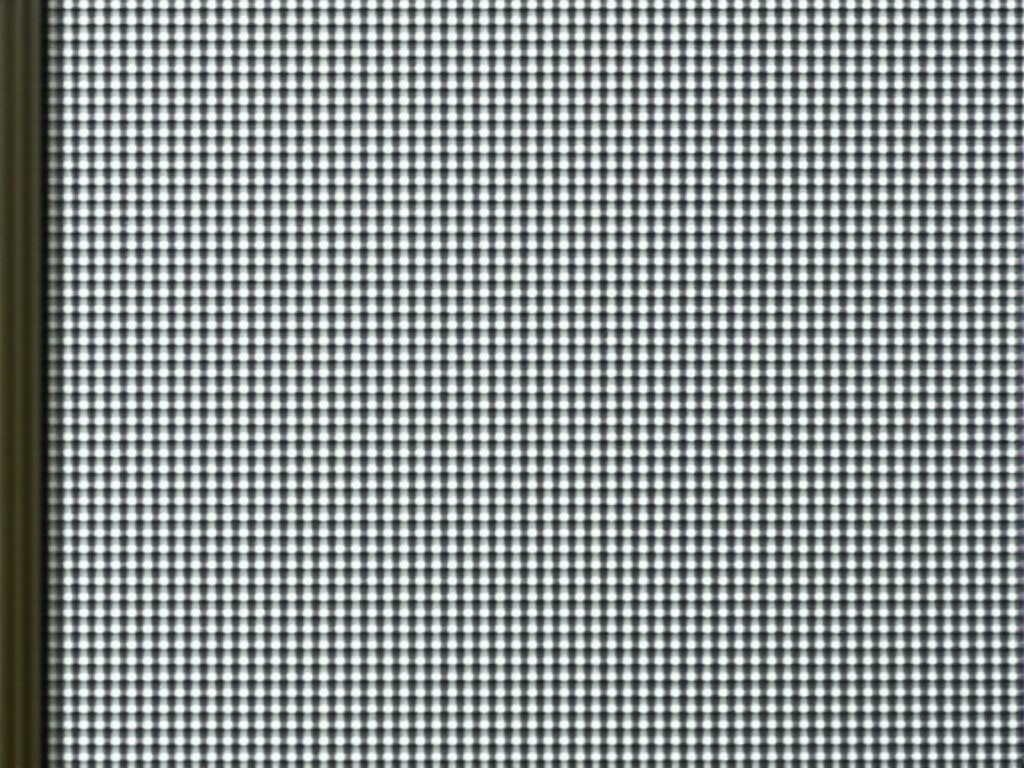
Stainless Steel Security Window Screen Mesh
Stainless steel security window screen mesh is engineered to provide physical intrusion resistance while maintaining visibility and airflow. Unlike standard insect screens, it uses high-tensile stainless steel wires woven into a dense, uniform pattern that resists cutting, pushing, and impact forces. The material’s inherent corrosion resistance allows long-term performance in humid, coastal, or industrial environments without degradation. This page details the technical specifications, construction methods, and application considerations that inform procurement decisions for facilities requiring enhanced window security.
Material Composition and Wire Properties
The mesh is manufactured from either 304 or 316 grade stainless steel wire, selected based on environmental exposure. 304 stainless steel offers sufficient resistance to atmospheric corrosion in most urban and suburban settings, while 316 grade contains molybdenum for enhanced protection against chlorides in coastal or marine atmospheres. Wire diameters typically range from 0.5 mm to 1.2 mm, with tensile strengths exceeding 800 MPa for cold-drawn wire. These mechanical properties enable the mesh to withstand significant impact loads without permanent deformation or wire fracture.
Weave Patterns and Open Area Characteristics
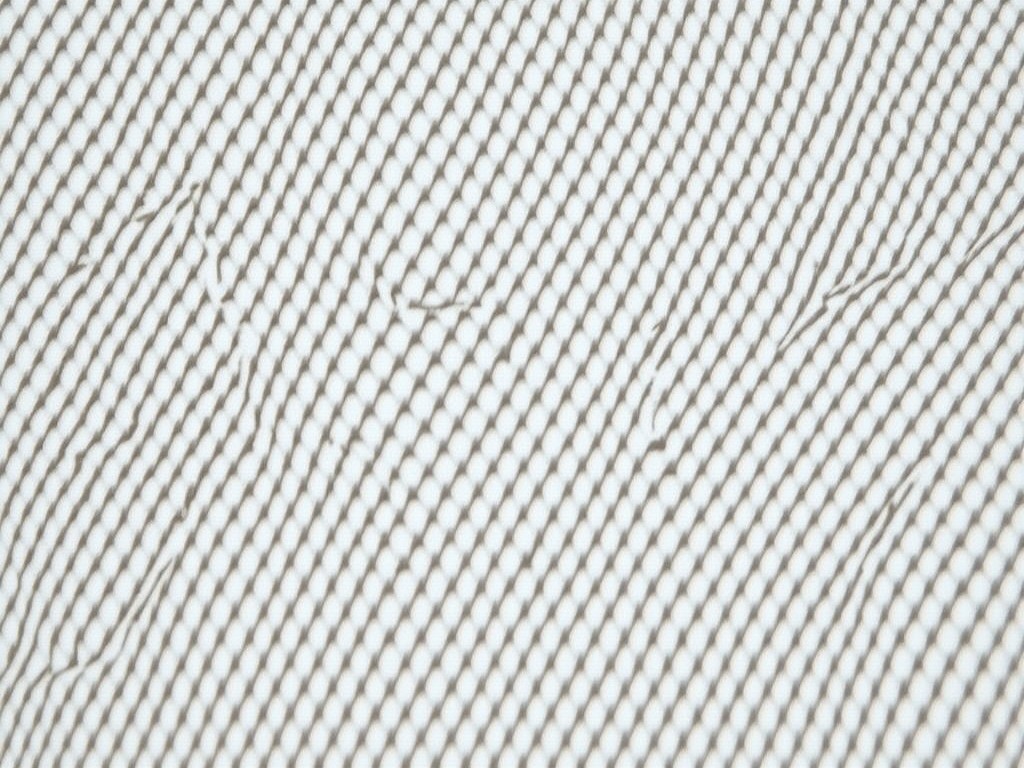
Two primary weave patterns are used: plain weave and twill weave. Plain weave provides a balanced, symmetrical structure with equal warp and weft wire density, offering uniform strength in both directions. Twill weave features a staggered interlacement that increases flexibility and impact energy dissipation while maintaining high open area. Open area percentages range from 60% to 80%, depending on wire diameter and mesh count, ensuring adequate daylight transmission and natural ventilation. Mesh counts commonly fall between 8x8 and 20x20 wires per inch, balancing security performance with visual clarity.
Frame Integration and Mounting Systems
Security mesh is typically retained within extruded aluminum, stainless steel, or uPVC frames using a spline groove system similar to conventional screens, but with reinforced splines and deeper channels to handle higher tension loads. Frames are designed to prevent pull-out or disengagement under forced entry attempts. For permanent installations, mesh may be welded or mechanically fastened directly to steel or aluminum window substrates. Proper frame rigidity is critical — insufficient frame strength can compromise the entire system regardless of mesh quality.
Corrosion Resistance and Environmental Performance
Stainless steel’s passive chromium oxide layer provides inherent resistance to rust and staining, eliminating the need for coatings or regular maintenance. In salt-laden environments, 316 grade outperforms 304 due to its superior pitting resistance equivalent number (PREN). The mesh does not degrade under UV exposure, unlike polymer-based alternatives, and maintains mechanical properties across a wide temperature range (-40°C to +400°C). This stability ensures consistent performance over decades, reducing lifecycle costs compared to coated steel or polymer meshes that require periodic replacement.
Typical Specifications Table
| Parameter | Typical Range | Notes |
|---|---|---|
| Wire Grade | 304 or 316 Stainless Steel | Selected per environment |
| Wire Diameter | 0.5 mm – 1.2 mm | Affects tensile strength and open area |
| Mesh Count | 8x8 to 20x20 wires/inch | Balances security and visibility |
| Open Area | 60% – 80% | Depends on weave and wire size |
| Tensile Strength (Wire) | >800 MPa | Cold-drawn stainless steel |
| Operating Temperature | -40°C to +400°C | No degradation in properties |
Applications Requiring Intrusion Resistance
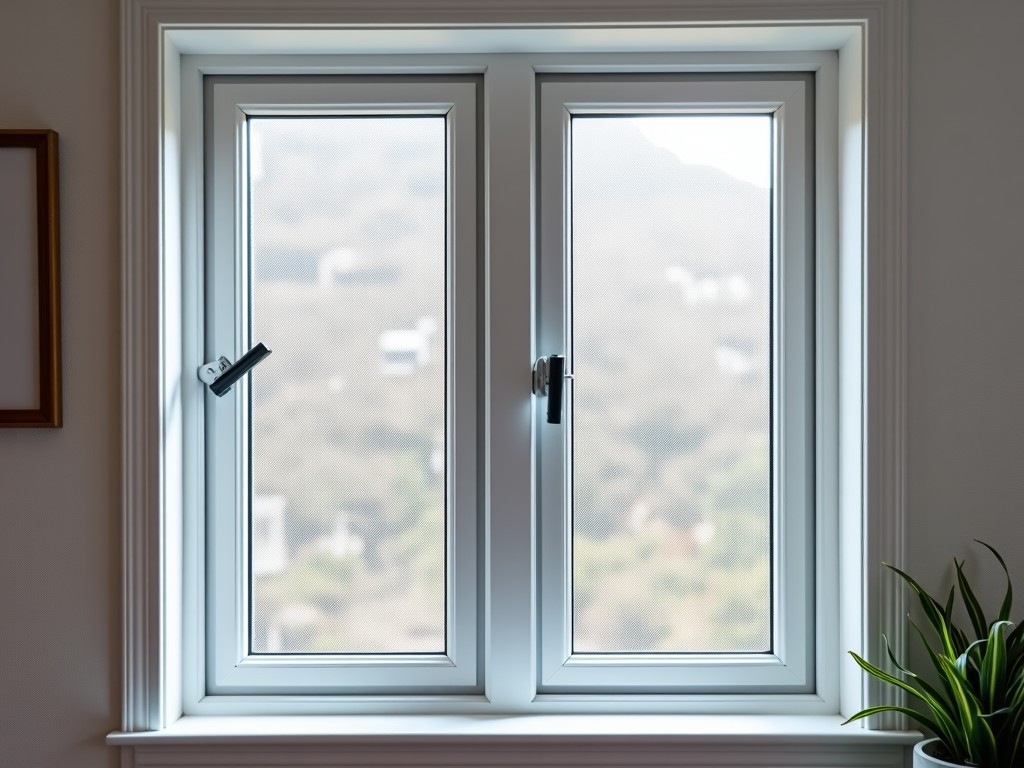
This mesh is specified in ground-floor and accessible windows of commercial buildings, schools, healthcare facilities, and detention centers where forced entry prevention is a design requirement. In residential applications, it is commonly used in high-risk urban areas or vacation properties left unattended for extended periods. Industrial facilities install it on ventilation openings and machine guard windows to prevent unauthorized access while preserving process visibility and air exchange. Unlike solid bars or grilles, it satisfies egress code requirements by allowing emergency exit when paired with releasable mounting hardware.
Customization Options and Ordering Considerations
Mesh panels can be cut to exact dimensions to fit non-standard window openings, with tolerances typically held to ±2 mm. Custom weave patterns, wire diameters, and edge treatments (such as welded borders or folded hems) are available upon request to match specific framing systems. For projects requiring visual discretion, darker wire finishes or black oxide coatings can reduce glare and reflectivity without compromising corrosion resistance. Buyers should provide opening dimensions, frame type, environmental conditions, and any applicable security standards (e.g., LPS 1175, EN 1627) to ensure the correct specification is quoted.
Quality Control and Testing Philosophy
Quality assurance begins with material certification — each wire coil is accompanied by mill test reports verifying chemical composition and mechanical properties. Incoming inspection includes diameter verification, tensile sampling, and visual defect checks. Finished mesh undergoes uniform tension testing to ensure consistent weave tightness across the panel. While impact resistance testing (e.g., manual force or weighted drop tests) can be performed, security performance is ultimately derived from the material’s inherent properties and proper installation. Suppliers should be able to trace raw material lots and provide conformity documentation upon request.
Product Categories


Send Inquiry
If you are interested in our products, leave your information here and we will be in touch shortly.