Stainless Steel Security Window Screens
Stainless steel security window screens are engineered barriers designed to resist forced entry while maintaining visibility and airflow. Constructed from corrosion-resistant alloys, these screens
Stainless Steel Security Window Screens
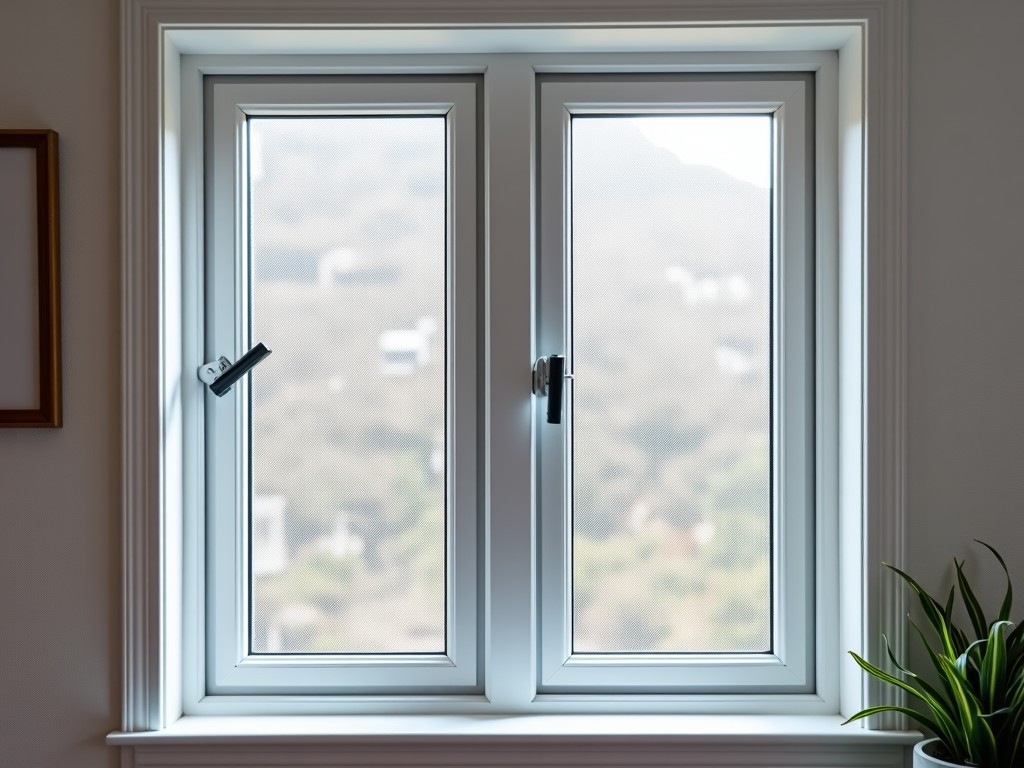
Stainless steel security window screens are engineered barriers designed to resist forced entry while maintaining visibility and airflow. Constructed from corrosion-resistant alloys, these screens provide a physical deterrent against intrusion attempts without compromising architectural aesthetics or natural ventilation requirements. Their primary function is to delay or prevent unauthorized access through glazed openings in commercial, industrial, and institutional buildings.
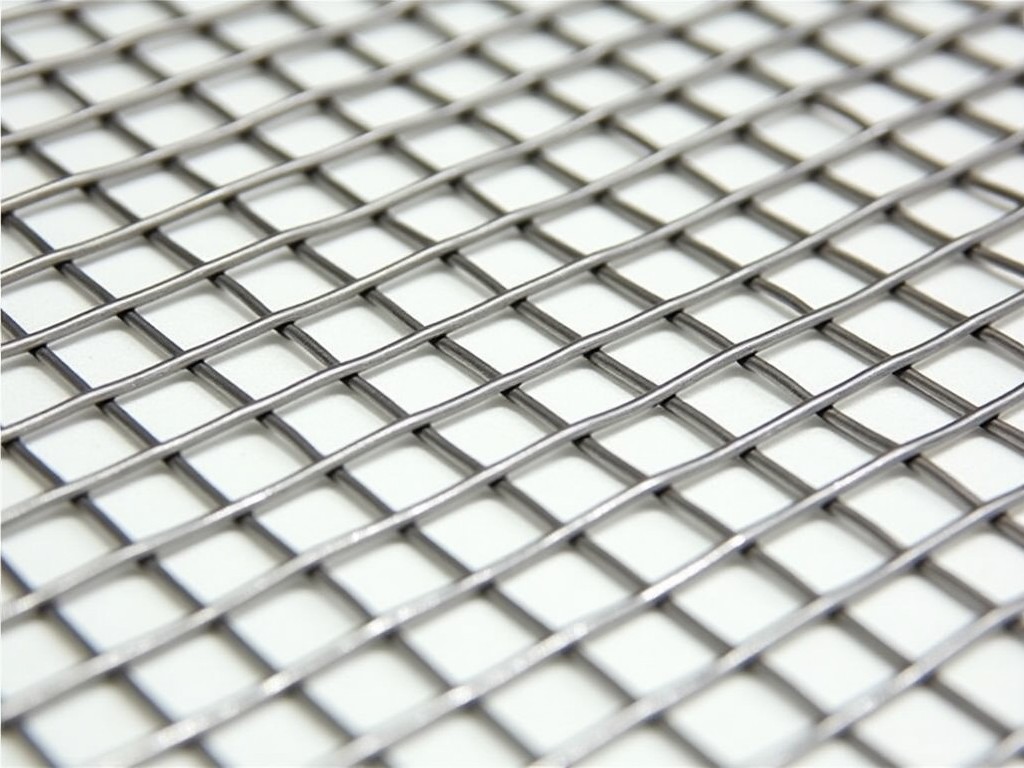
Material selection directly influences performance characteristics. Grade 304 stainless steel offers balanced corrosion resistance and tensile strength for general exterior applications in moderate environments. Grade 316, with molybdenum addition, provides enhanced resistance to chlorides and industrial pollutants, making it suitable for coastal zones or chemical processing facilities. Wire diameter typically ranges from 0.8mm to 1.5mm, with aperture sizes engineered to prevent passage of common hand tools while allowing sufficient light transmission and air exchange.
Engineering Specifications and Performance Criteria
Structural integrity under load is a critical design parameter. Screens are tested to withstand dynamic impact forces simulating crowbar or kick attacks, with performance measured in joules of energy absorbed before permanent deformation or fastener failure. Typical designs achieve impact resistance ratings between 50J and 150J depending on frame depth, wire gauge, and mesh density. Deflection limits are maintained below 10mm under specified loads to ensure continued functionality and prevent glass contact.
Corrosion resistance is validated through accelerated testing. Salt spray exposure (ASTM B117) for 1000 hours shows no red rust formation on properly passivated 316-grade surfaces. Crevice corrosion resistance is evaluated in alternating wet/dry cycles containing sodium chloride solutions. Surface finish options include mill finish, brushed, or electropolished treatments, with electropolishing reducing surface roughness to below 0.4µm Ra to minimize contaminant adhesion and improve cleanability in hygienic environments.
Frame Systems and Installation Methods
Frame compatibility determines long-term performance and maintenance accessibility. Extruded aluminum frames with thermal breaks are commonly used in retrofit applications due to their lightweight nature and ease of anchoring to existing mullions. Stainless steel frames (grades 304/316) are specified for seamless integration with structural glazing systems or where thermal expansion matching is critical. Frame depths typically range from 25mm to 50mm, accommodating varying screen thicknesses and glazing rebates.
Installation methods influence load distribution and service life. Mechanical fasteners (stainless steel screws or rivets) provide discrete anchoring points but require precise hole alignment to avoid stress concentrations. Continuous clamping systems using aluminum or stainless steel extrusions distribute load along the entire perimeter, reducing point loading on the mesh. Silicone or EPDM gaskets are incorporated between frame and glazing to prevent galvanic corrosion and accommodate differential movement.
Comparison of Screen Configurations
| Configuration | Typical Wire Dia. (mm) | Aperture (mm) | Open Area (%) | Impact Resistance (J) |
|---|---|---|---|---|
| Standard Security Mesh | 1.0 | 8x8 | 60 | 80 |
| High-Strength Mesh | 1.2 | 6x6 | 50 | 120 |
| Fine Insect Mesh | 0.8 | 20x20 | 70 | 40 |
| Custom Hybrid | 0.9-1.5 | Project-specific | Variable | Customizable |
*Note: Values represent typical ranges; actual performance depends on frame design, anchorage, and environmental conditions. Custom configurations available upon engineering review.
Applications Across Industrial Sectors
In transportation infrastructure, stainless steel security screens protect station concourses and tunnel entrances where public access requires both safety and unobstructed surveillance. The material’s resistance to de-icing salts and exhaust particulates ensures long-term visibility for CCTV systems while deterring vandalism or unauthorized track access. Maintenance intervals are extended due to minimal surface degradation compared to coated steel alternatives.
Pharmaceutical and food processing facilities utilize these screens in cleanroom zones and loading docks where hygiene protocols prohibit porous or degradable materials. The non-outgassing, easy-to-clean surface complies with ISO 14644-1 cleanliness standards when electropolished. Airflow calculations account for screen open area to maintain required pressure differentials between zones without compromising containment integrity.
Data centers and telecommunications hubs install screens on ventilation openings and emergency exits to prevent physical tampering with critical infrastructure while preserving necessary heat dissipation. Electromagnetic interference (EMI) shielding effectiveness is evaluated when specifying mesh aperture sizes relative to operational frequency bands, ensuring security measures do not disrupt sensitive equipment performance.
Quality Control and Testing Protocols
Material traceability begins with mill certification verifying chemical composition and mechanical properties of stainless steel wire stock. Incoming inspection includes spectrometer analysis for chromium, nickel, and molybdenum content to confirm grade compliance. Wire diameter and tensile strength are sampled per batch using calibrated micrometers and tensile testers, with acceptance criteria aligned to ASTM A580/A580M standards.
Finished assemblies undergo functional validation. Impact testing uses a pendulum apparatus with standardized impactor geometry to measure energy absorption at designated points across the screen surface. Corner pull tests evaluate frame-to-mesh adhesion strength, simulating peeling forces during attempted entry. Salt spray and humidity cycling tests are conducted on random samples from production lots to validate long-term corrosion resistance claims.
For project-specific requirements including custom dimensions, aperture configurations, or material certifications, contact our engineering team to discuss technical specifications and obtain a detailed quotation.
Request Technical Consultation
Product Categories


Send Inquiry
If you are interested in our products, leave your information here and we will be in touch shortly.