Stainless Steel Sheet Metal With Holes Suppliers
Stainless steel sheet metal with holes—commonly referred to as perforated sheet—is engineered for applications requiring controlled airflow, fluid passage, light diffusion, sound attenuation, or
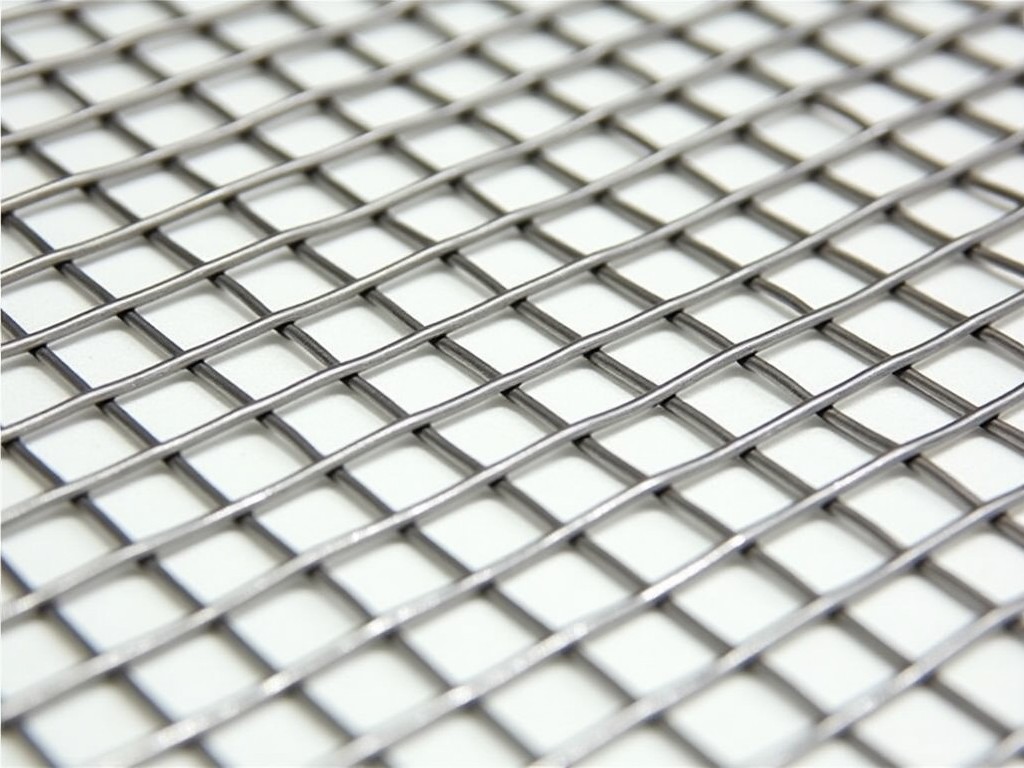
Stainless Steel Sheet Metal with Holes: Precision Perforated Solutions for Industrial Applications
Stainless steel sheet metal with holes—commonly referred to as perforated sheet—is engineered for applications requiring controlled airflow, fluid passage, light diffusion, sound attenuation, or structural weight reduction without compromising corrosion resistance or mechanical integrity. The hole pattern, size, spacing, and open area percentage are precisely calculated to meet functional requirements while maintaining sheet flatness and edge stability.
Material Selection and Grade Considerations
The base material significantly influences performance in corrosive, high-temperature, or load-bearing environments. Common grades include 304 for general industrial use, 316L for marine or chemical exposure, and 430 for cost-sensitive applications where magnetic properties are acceptable. Thickness typically ranges from 0.5 mm to 6.0 mm, with hole diameters from 0.8 mm to 50 mm depending on the grade and forming method.
Perforation Patterns and Open Area Calculation
Patterns are not arbitrary; they are selected based on flow dynamics, structural needs, and manufacturability. Common configurations include round holes in staggered or straight rows, square slots, hexagonal arrays, and custom geometries. Open area—the percentage of sheet surface occupied by holes—directly impacts pressure drop, acoustic performance, and visual transparency. For example, a 3 mm round hole on 6 mm staggered pitch yields approximately 23% open area, while the same size on 4 mm pitch increases open area to 52%.
Manufacturing Processes and Tolerance Control
Perforation is achieved via CNC turret punching, laser drilling, or rotary punch presses, each suited to different volume, precision, and complexity requirements. Turret punching offers high repeatability for standard patterns at medium volumes, while laser drilling enables complex, non-repeating patterns and micro-holes under 1 mm without burr formation. Tolerances on hole position typically range from ±0.1 mm to ±0.3 mm, depending on method and material thickness, with edge distortion minimized through proper die clearance and sheet support.
Functional Advantages in Industrial Systems
Perforated stainless steel sheets serve specific engineering functions beyond simple filtration. In heat exchangers, they act as baffle plates promoting turbulent flow while resisting chloride-induced pitting. In architectural facades, they provide solar shading with controlled visibility and rain screen capability. In food processing equipment, they enable drainage and cleaning access while meeting hygienic surface finish requirements (Ra ≤ 0.8 μm). The non-toxic, non-leaching nature of austenitic stainless steel ensures compliance with FDA and 3-A sanitary standards.
Comparison of Common Hole Types and Applications
| Hole Type | Typical Size Range | Open Area Potential | Common Applications |
|---|---|---|---|
| Round | 0.8 mm – 50 mm | Up to 60% | HVAC grilles, speaker covers, machine guards |
| Square | 1.0 mm – 25 mm | Up to 50% | Bulk material screens, drainage panels, architectural screens |
| Slot | 1.5 mm x 10 mm – 5 mm x 100 mm | Up to 40% | Vibratory sieves, liquid separators, fryer baskets |
| Hexagonal | 2.0 mm – 30 mm | Up to 55% | Acoustic panels, catalyst supports, decorative filters |
Quality Assurance and Inspection Protocols
Verification goes beyond visual inspection. Dimensional accuracy is confirmed using coordinate measuring machines (CMM) or optical comparators for critical hole patterns. Burr height is measured per ISO 13715, with acceptable limits typically under 0.05 mm for fluid dynamics applications. Surface finish is assessed via profilometry to ensure no embedded contaminants or micro-cracks from punching. Lot traceability includes mill test reports for base material and process logs documenting punch force, lubrication, and sheet flatness correction.
Customization and Ordering Considerations
Suppliers require specific inputs to quote accurately: base material grade, sheet dimensions (width × length × thickness), hole shape and size, pattern layout (staggered/straight, pitch distance), margin widths, and any secondary operations such as bending, welding, or edge finishing. For repeat orders, providing a CAD drawing or DXF file reduces lead time and eliminates interpretation errors. Minimum order quantities vary by process—laser drilling may accept single prototypes, while turret punching often requires 25+ sheets for setup efficiency.
For technical consultation on hole pattern optimization, material selection, or tolerances for your specific application, contact our engineering team to review your requirements.
Request a Quote or Technical Review
Product Categories


Send Inquiry
If you are interested in our products, leave your information here and we will be in touch shortly.