Stainless Steel Wire Mesh Catalogue
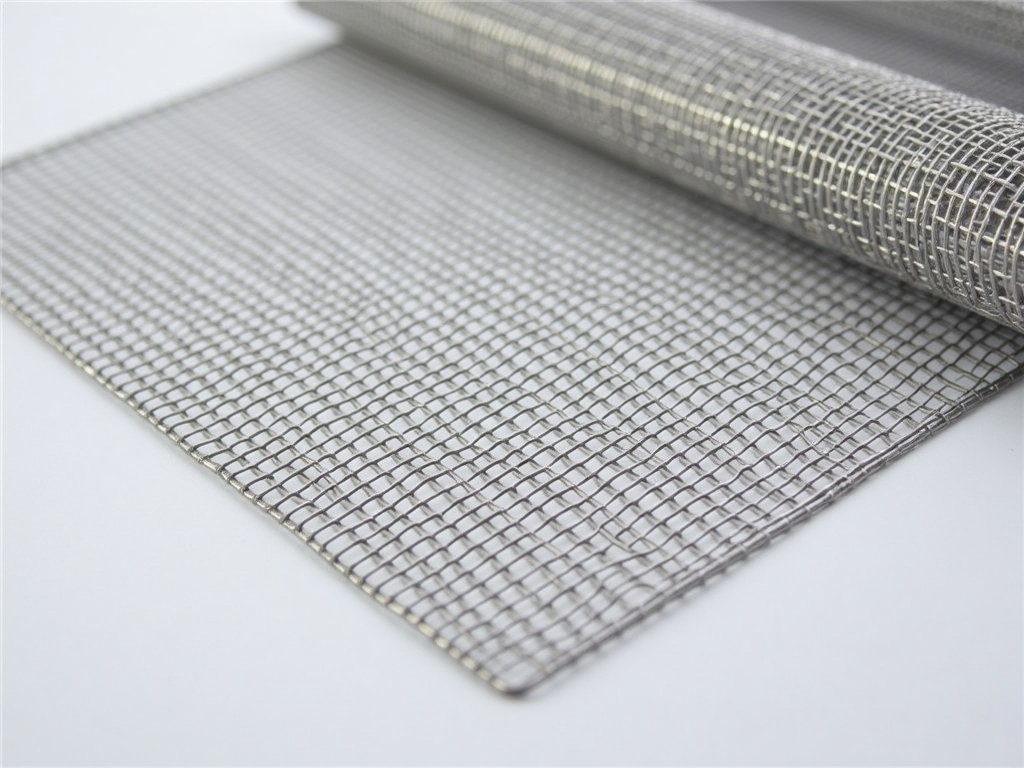
Selecting the correct wire mesh specification requires understanding how material grade, weave pattern, and aperture dimensions interact under operational stress. This catalogue presents standardized
Stainless Steel Wire Mesh Catalogue
Selecting the correct wire mesh specification requires understanding how material grade, weave pattern, and aperture dimensions interact under operational stress. This catalogue presents standardized configurations alongside customizable options to support precise engineering decisions.
Material Grades and Corrosion Resistance
Stainless steel wire mesh performance depends on alloy composition, particularly chromium and nickel content, which determine resistance to oxidation, pitting, and chemical attack. Grade 304 offers general-purpose corrosion resistance in ambient atmospheric and mild chemical environments, while Grade 316 includes molybdenum for enhanced protection against chlorides and marine exposure. For high-temperature applications exceeding 400°C, Grade 310 or 310S provides oxidation resistance due to higher chromium and nickel levels. Mechanical properties such as tensile strength and elongation vary slightly between grades but remain sufficient for most filtration and screening applications when wire diameter is appropriately selected.
Weave Patterns and Structural Characteristics
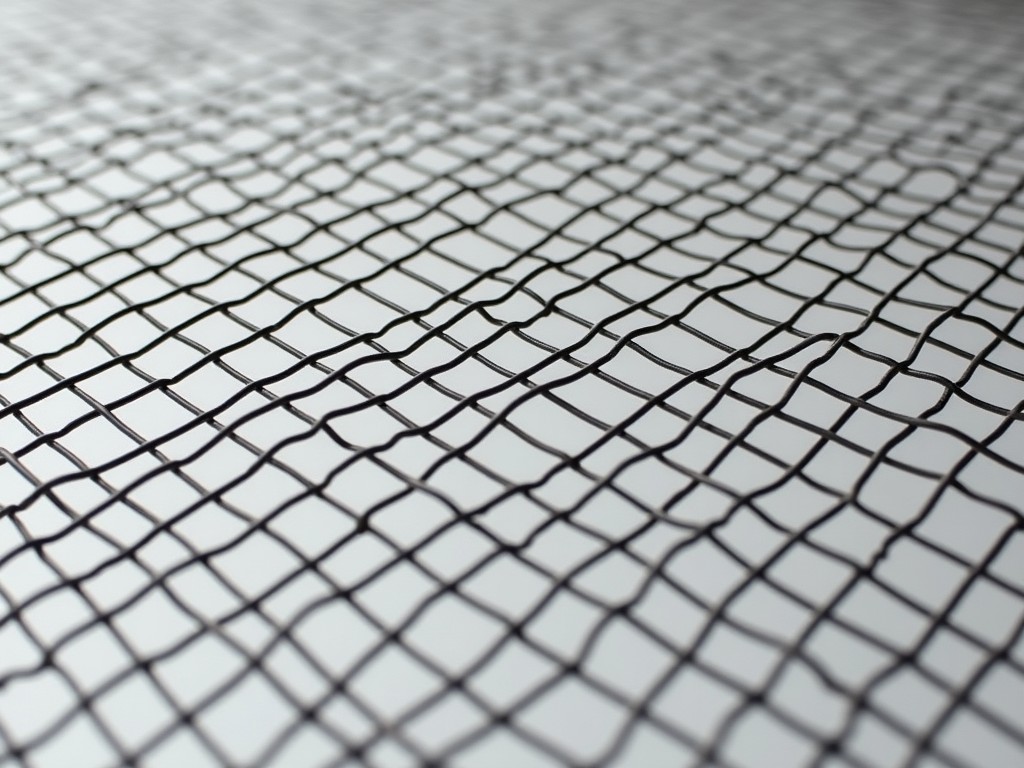
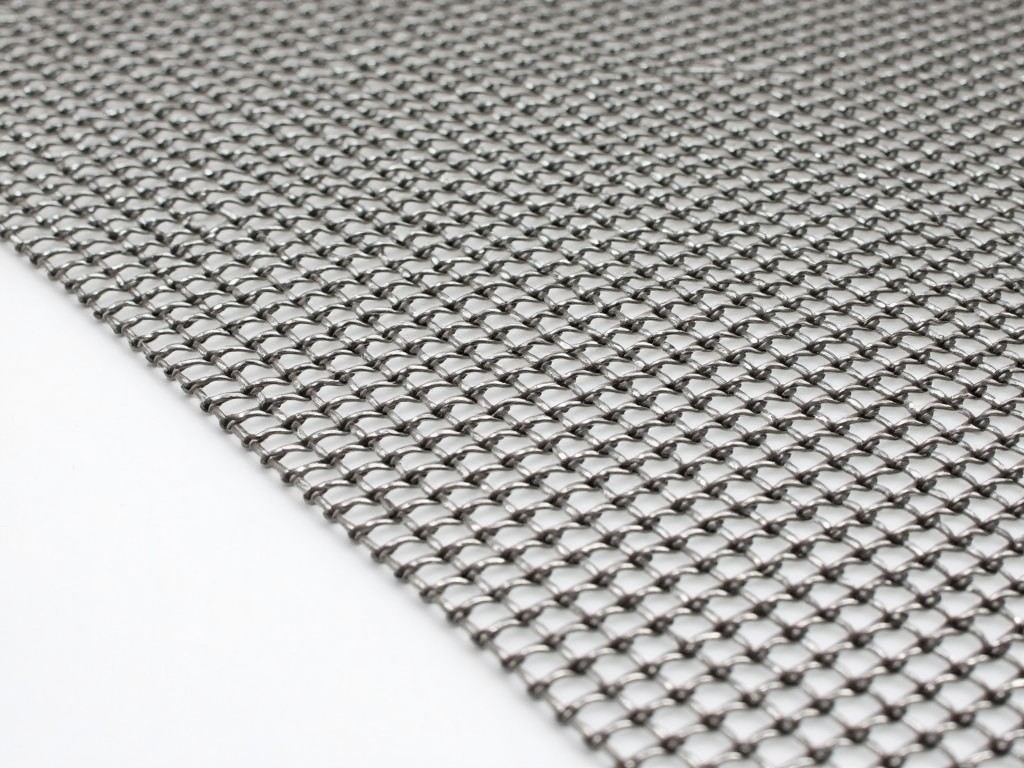
The weave pattern influences mesh stability, flow dynamics, and particle retention efficiency. Plain weave, where each warp wire alternates over and under each weft wire, provides symmetrical strength and is suitable for general filtration. Twill weave, with wires passing over two and under two, allows heavier wire diameters in a given mesh count, increasing durability and flow capacity. Dutch weave, featuring a finer weft warp and coarser warp wire, achieves high filtration precision with reduced pressure drop, commonly used in liquid clarification and gas diffusion. Each pattern affects open area percentage and thus impacts throughput and cleaning frequency.
Standard Specifications and Customization Options
Standard mesh counts range from 2 to 635 wires per linear inch, with corresponding aperture sizes from 12.7 mm down to 20 µm. Wire diameters are selected based on required tensile strength, abrasion resistance, and clogging propensity. Custom specifications include non-standard dimensions, edge treatments (such as hemmed or fringed edges), and special finishes like passivation or electropolishing to improve surface cleanliness. Panels can be fabricated to exact sizes with welded or folded seams for integration into housings or frames. Tolerances on aperture size and wire diameter typically adhere to ISO 9044 or ASTM E2016 standards, with tighter control available upon request.
Typical Industrial Applications
In chemical processing, wire mesh serves as catalyst supports, filter media for polymer extrusion, and separation screens in viscous fluid handling. The food and beverage industry uses 316L mesh for straining liquids, sieving powders, and conveying belts where hygiene and corrosion resistance are critical. Aerospace and automotive sectors employ mesh for flame arrestors, hydraulic filtration, and thermal shielding due to its ability to withstand thermal cycling and vibration. Architectural applications include façade cladding, sun shading, and balustrade infill, where aesthetic openness and long-term weather resistance are design priorities.
Quality Assurance and Testing Protocols
Verification begins with raw material certification, ensuring mill test reports confirm alloy composition and mechanical properties. In-process checks monitor wire diameter tolerance and weaving consistency. Final inspection includes aperture measurement using optical comparators or laser gauges, tensile testing of wire samples, and visual assessment for defects such as broken wires, skips, or double picks. Surface cleanliness is evaluated for applications requiring sanitary compliance. All test data is retained for traceability, and conformance reports are available upon request.
| Parameter | Typical Range | Notes |
|---|---|---|
| Mesh Count | 2 – 635 wires/inch | Higher counts for fine filtration |
| Aperture Size | 20 µm – 12.7 mm | Dependent on wire diameter |
| Wire Diameter | 0.025 mm – 3.0 mm | Selected per strength and flow needs |
| Open Area % | 10% – 70% | Affects flow rate and pressure drop |
| Standard Widths | 500 mm, 1000 mm, 1220 mm | Custom widths available |
| Length per Roll | 10 m – 50 m | Custom lengths upon request |
Ordering and Technical Support
To ensure accurate specification, provide application details including operating temperature, chemical exposure, particle size distribution, flow rate, and mechanical loading. Our technical team assists in translating these parameters into optimal mesh grade, weave, and diameter selections. Samples are available for evaluation prior to bulk order. Standard lead times range from 2 to 4 weeks for stocked items; custom fabrications may require 4 to 6 weeks depending on complexity. Packaging options include moisture-resistant wrapping, wooden crates, or palletized rolls for export protection.
Product Categories


Send Inquiry
If you are interested in our products, leave your information here and we will be in touch shortly.