Stainless Steel Wire Mesh Manufacturer
Stainless steel wire mesh is a precision-engineered material used across industrial, architectural, and filtration applications where corrosion resistance, mechanical strength, and dimensional
Stainless Steel Wire Mesh Manufacturer
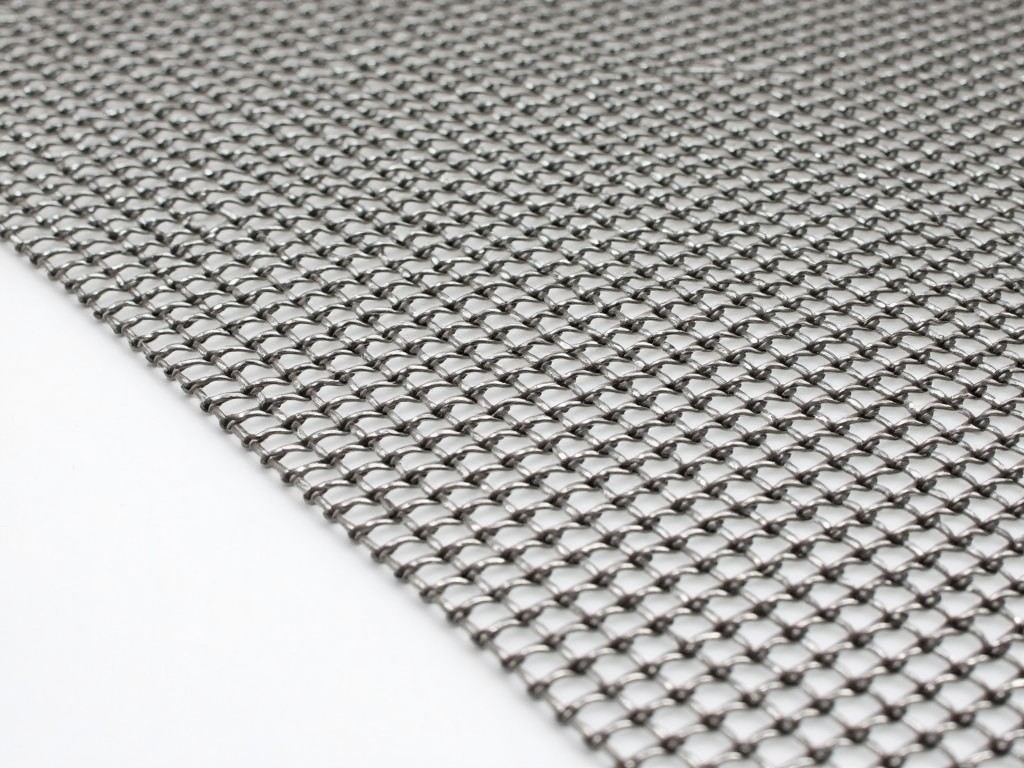
Stainless steel wire mesh is a precision-engineered material used across industrial, architectural, and filtration applications where corrosion resistance, mechanical strength, and dimensional stability are critical. As a manufacturer, we focus on delivering mesh products engineered to meet specific performance requirements rather than general-purpose specifications. This page outlines the technical considerations, manufacturing capabilities, and quality controls that define our approach to producing stainless steel wire mesh for demanding industrial environments.
Material Selection and Alloy Characteristics
The performance of stainless steel wire mesh begins with alloy selection. We primarily work with austenitic grades such as 304, 316L, and 310S, each chosen based on environmental exposure, temperature limits, and chemical resistance needs. Grade 304 offers adequate resistance to atmospheric corrosion and mild chemicals, suitable for indoor or lightly exposed outdoor applications. Grade 316L, with added molybdenum, provides superior resistance to chlorides and acidic environments, making it ideal for marine, chemical processing, and food-grade environments. For high-temperature applications exceeding 800°C, 310S maintains oxidation resistance and structural integrity where standard grades may scale or weaken.
Weaving Patterns and Structural Properties
The weave pattern directly influences open area, flow dynamics, mechanical strength, and particle retention. We produce three primary weave types: plain (square), twill, and Dutch (plain and twill variants). Plain weave offers symmetrical openings and uniform tensile strength in both warp and weft directions, ideal for screening and sizing applications. Twill weave allows heavier wire diameters to be used with finer mesh counts, increasing strength and durability while maintaining flow capacity—common in filtration under pressure. Dutch weave, featuring a dense weft and warp arrangement, achieves micron-level filtration precision with high burst strength, often used in hydraulic fluid filtration and polymer extrusion.
Wire Diameter, Mesh Count, and Open Area Calculations
Mesh specifications are defined by wire diameter (in mm or microns), mesh count (openings per linear inch), and resulting open area percentage. These parameters are interdependent: increasing mesh count reduces open area unless wire diameter is reduced accordingly. For example, a 100 mesh screen with 0.15mm wire has approximately 36% open area, while the same mesh count with 0.10mm wire increases open area to 52%. We provide open area calculations based on ISO 9044 standards to ensure accurate pressure drop and flow rate predictions in fluid systems. Custom combinations are available upon request to balance filtration efficiency, mechanical load, and cleaning accessibility.
Manufacturing Process and Quality Control
Our manufacturing process begins with cold-drawn stainless steel wire, straightened and tensioned to precise tolerances before weaving. Looms are calibrated to maintain consistent warp and weft tension, preventing irregular openings or wire distortion. Post-weaving, mesh undergoes optional processes such as calendaring (to flatten surface profile), heat treatment (to relieve stress), or ultrasonic cleaning (to remove particulates). Quality control includes dimensional verification using optical comparators, tensile testing of wire samples, and visual inspection under 10x magnification for defects such as missing wires, double picks, or irregular crimping. All batches are traceable to raw material certificates and include test reports upon request.
Typical Specifications and Customization Options
| Parameter | Typical Range | Notes |
|---|---|---|
| Alloy | 304, 316L, 310S, 904L | Other grades available upon request |
| Wire Diameter | 0.025mm – 3.0mm | Finer wires for filtration; heavier for structural use |
| Mesh Count | 2 – 635 openings/inch | Limited by wire diameter and weave type |
| Weave Type | Plain, Twill, Dutch Plain, Dutch Twill | Affects strength, flow, and filtration precision |
| Width | Up to 4000mm | Seamless widths available; wider via joining |
| Length | Cut-to-length or continuous rolls | Standard rolls: 30m; custom lengths available |
| Surface Finish | As-woven, Calendared, Degreased, Passivated | Finish selected based on application hygiene or friction needs |
Industrial Applications and Functional Rationale
In chemical processing, stainless steel wire mesh serves as catalyst supports, filter media in reactor systems, and baskets for batch processing—selected for resistance to acids, alkalis, and thermal cycling. In food and pharmaceutical manufacturing, 316L mesh with passivated finish meets hygiene standards for liquid filtration, sieving, and drying trays, where crevice-free surfaces minimize contamination risk. In architectural applications, mesh is used for façades, sun shading, and safety barriers, where corrosion resistance and aesthetic longevity outweigh initial cost. In oil and gas, Dutch-weave 316L mesh filters hydraulic fluids and lubricants under high pressure, relying on burst strength and particle retention efficiency to protect downstream components.
Engineering Considerations for Selection
When specifying stainless steel wire mesh, engineers should evaluate not only corrosion resistance but also mechanical demands such as tensile load, impact resistance, and fatigue life under cyclic pressure. Open area and flow coefficients must be calculated to avoid excessive pressure drop in fluid systems. Cleanability and sterilization compatibility influence finish and weave choice in sanitary environments. For elevated temperatures, oxidation resistance and creep strength become limiting factors—310S or alloy grades may be required over 304 or 316L. We provide technical consultation to align mesh properties with process conditions, reducing the risk of premature failure or inefficiency.
Certifications and Compliance
Our manufacturing facility operates under ISO 9001:2015 quality management principles, with documented procedures for material traceability, process control, and final inspection. We can provide material test reports (MTRs) conforming to EN 10204 3.1 upon request. For food contact applications, we comply with FDA 21 CFR regulations and can supply documentation supporting EU 10/2011 compliance. While we do not hold product-specific certifications such as ASME or PED, our mesh is manufactured to dimensional and material standards that allow integration into systems requiring such compliance, subject to end-user validation.
For technical inquiries, custom specifications, or to request a sample pack with material certificates, please contact our engineering team.
Contact Engineering Team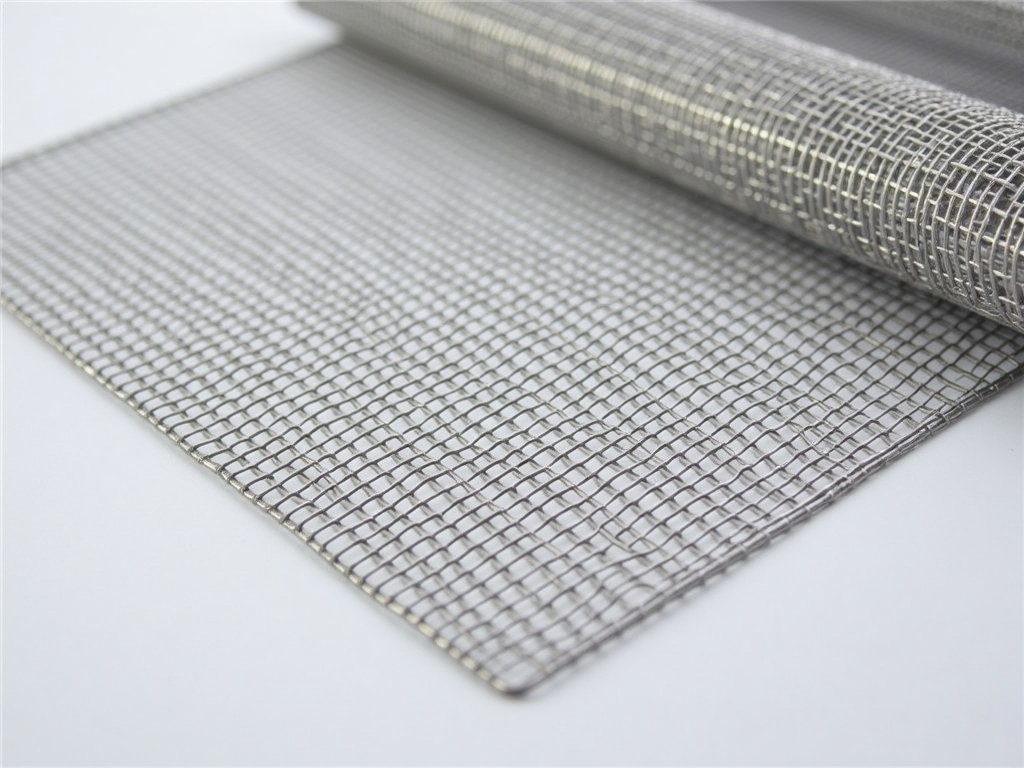
Product Categories


Send Inquiry
If you are interested in our products, leave your information here and we will be in touch shortly.