Stainless Steel Wire Mesh Window Screen
Stainless steel wire mesh window screens provide durable protection against insects, debris, and environmental exposure while maintaining airflow and visibility. Constructed from corrosion-resistant
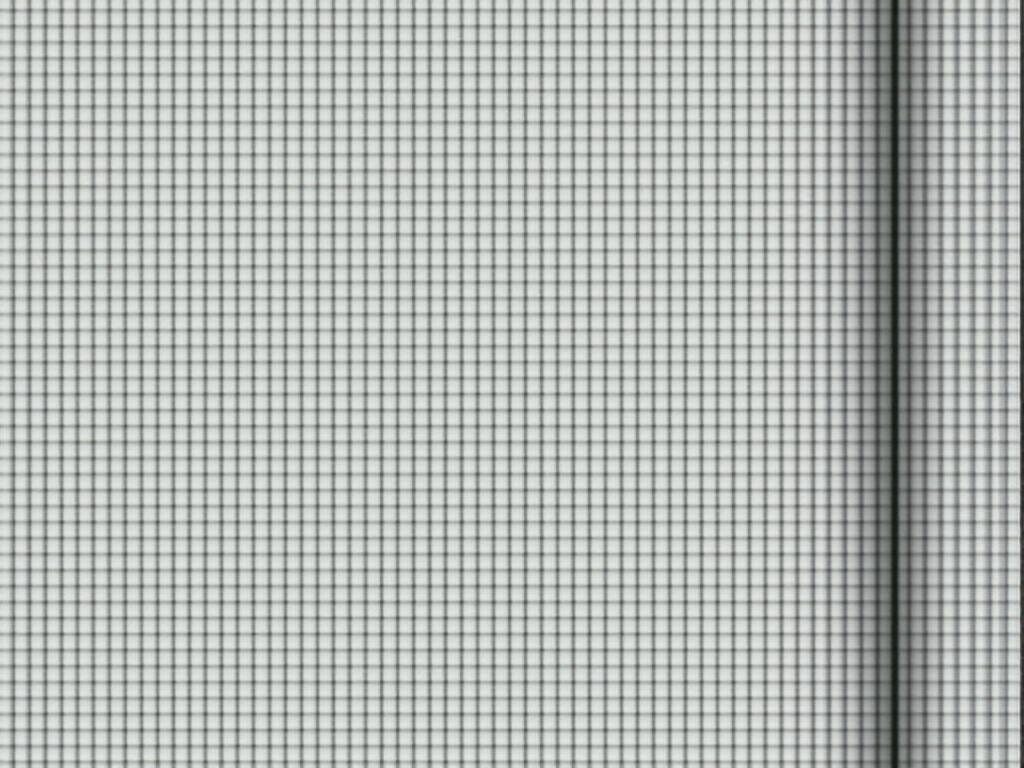
Stainless Steel Wire Mesh Window Screen
Stainless steel wire mesh window screens provide durable protection against insects, debris, and environmental exposure while maintaining airflow and visibility. Constructed from corrosion-resistant alloys, these screens are engineered for long-term performance in demanding architectural, industrial, and marine environments where standard aluminum or fiberglass alternatives degrade rapidly.
Material Composition and Corrosion Resistance
The primary materials used are AISI 304 and 316 stainless steel grades, selected for their chromium and nickel content which form a passive oxide layer that resists rust and pitting. Grade 304 offers adequate resistance for most urban and suburban applications, while 316, with added molybdenum, provides superior protection against chloride-induced corrosion in coastal or industrial settings. Wire diameters typically range from 0.25 mm to 0.8 mm, with tensile strengths between 500–1000 MPa depending on grade and temper.
Unlike coated or plated alternatives, solid stainless steel maintains its protective properties even if the surface is scratched or abraded, ensuring consistent performance over decades. This inherent resistance eliminates the need for periodic re-coating or replacement due to coating failure, reducing lifecycle costs in high-exposure installations.
Mesh Specifications and Open Area Ratios
Mesh count (openings per linear inch) and wire diameter directly influence airflow, visibility, and insect exclusion efficiency. Common configurations include 18x16, 20x20, and 30x30 mesh counts, where the first number denotes warp wires and the second fill wires per inch. Open area ratios typically range from 60% to 75% for standard insect screening, balancing visibility with effective barrier performance against pests as small as 1mm.
Finer meshes (e.g., 50x50) are available for specialized applications such as pollen or particulate filtration, though they reduce open area to approximately 40–50%, increasing resistance to airflow. Selection depends on the specific environmental challenge: coarse meshes prioritize ventilation in high-wind areas, while finer meshes suit environments requiring superior contaminant exclusion.
Weave Patterns and Structural Integrity
The two predominant weave patterns are plain weave and twill weave. Plain weave, where each warp wire alternates over and under each fill wire, provides uniform strength and simplicity in manufacturing, making it the most common choice for standard window screens. Twill weave, with wires passing over two and under two, offers greater drapability and slightly higher tensile strength in the bias direction, beneficial for curved or irregular frame installations.
Both weave types maintain dimensional stability under tension, with minimal elongation under load — typically less than 2% elongation at 50% of ultimate tensile strength. This ensures the screen remains taut within its frame over time, resisting sagging or deformation caused by wind pressure, cleaning, or thermal cycling.
Frame Compatibility and Installation Methods
Stainless steel mesh is compatible with a variety of frame materials, including extruded aluminum, PVC, wood, and stainless steel itself. Installation typically involves either spline routing — where a flexible rubber or vinyl spline presses the mesh into a grooved frame — or direct fastening via staples, screws, or adhesive bonding for permanent installations. Spline systems allow for future mesh replacement without frame disassembly, a key advantage in maintenance-sensitive applications.
For high-vibration or impact-prone environments, such as marine vessels or industrial facilities, mechanical fastening with stainless steel fasteners is recommended to prevent loosening. Frame groove dimensions must match the spline diameter (commonly 4.5–6.5 mm) and mesh thickness to ensure proper retention and prevent pull-out under load.
Comparison with Alternative Materials
Compared to aluminum mesh, stainless steel offers significantly higher tensile strength and superior resistance to corrosion, UV degradation, and mechanical damage. While aluminum is lighter and less expensive initially, it is prone to oxidation, tearing, and deformation in harsh environments, often requiring replacement every 3–5 years. Fiberglass screens, though corrosion-resistant, lack the tensile strength and fire resistance of metal meshes and can become brittle with prolonged UV exposure.
In coastal or industrial zones, the lifecycle cost of stainless steel mesh is frequently lower than that of alternatives due to extended service life — often exceeding 15–20 years with minimal maintenance. This long-term durability reduces replacement frequency, labor costs, and operational disruption, making it a cost-effective solution despite higher upfront material expense.
Quality Control and Manufacturing Considerations
Manufacturing begins with cold-drawn stainless steel wire, ensuring consistent diameter and tensile properties. Wires are woven on precision looms under controlled tension to maintain uniform mesh geometry. Post-weaving, screens undergo visual inspection for defects such as broken wires, misweaves, or irregular openings, followed by dimensional verification using calibrated gauges or optical systems.
Additional testing may include tensile strength validation, corrosion resistance assessment via salt spray exposure (ASTM B117), and open area measurement using image analysis. For critical applications, mill test reports tracing wire chemistry and mechanical properties are available upon request. These controls ensure that each batch meets specified performance criteria before shipment.
Applications Across Industries
In residential and commercial architecture, stainless steel window screens are specified for high-end buildings, historic renovations, and sustainable designs where longevity and low maintenance align with lifecycle cost goals. Their resistance to salt spray makes them ideal for coastal homes, resorts, and marine structures, where standard screens fail within months due to pitting and staining.
Industrial facilities use them in ventilation intakes for control rooms, pump houses, and equipment enclosures to prevent ingress of airborne particulates, insects, and debris without compromising cooling efficiency. Food processing plants benefit from their non-toxic, easy-to-clean surface and resistance to cleaning agents, meeting hygiene standards for environmental separation.
Transportation applications include rail, bus, and marine vehicle windows, where vibration resistance and durability under constant movement are essential. Correctional facilities and secure installations specify stainless steel mesh for its tamper resistance and inability to be easily cut or deformed, providing a physical barrier that maintains visibility while enhancing security.
Customization Options
Mesh dimensions can be customized to exact width and length requirements, with standard roll widths ranging from 0.6 m to 2.1 m and custom lengths available to minimize seams in large installations. Wire diameter, mesh count, and grade (304/316) are selectable based on environmental exposure, load requirements, and filtration needs. Edge treatments include hemmed, selvaged, or raw edges depending on installation method and fray resistance requirements.
For architectural integration, screens can be powder-coated or painted in custom colors to match building façades while preserving the underlying corrosion resistance of the stainless steel substrate. Custom perforations, logos, or patterned weaves are available upon request for decorative or branding applications, though these may affect open area and structural properties and require engineering review.
All specifications are subject to variation based on exact alloy composition, drawing process, and post-weaving treatments. Values provided represent typical ranges for standard products; exact tolerances and performance characteristics should be confirmed for project-critical applications through material data sheets or supplier consultation.


Product Categories

Send Inquiry
If you are interested in our products, leave your information here and we will be in touch shortly.