Welded Wire Mesh Price Per Square Foot
Understanding the price per square foot of welded wire mesh requires examining the technical and logistical factors that directly influence cost. This metric serves as a standardized benchmark for
Welded Wire Mesh Price Per Square Foot
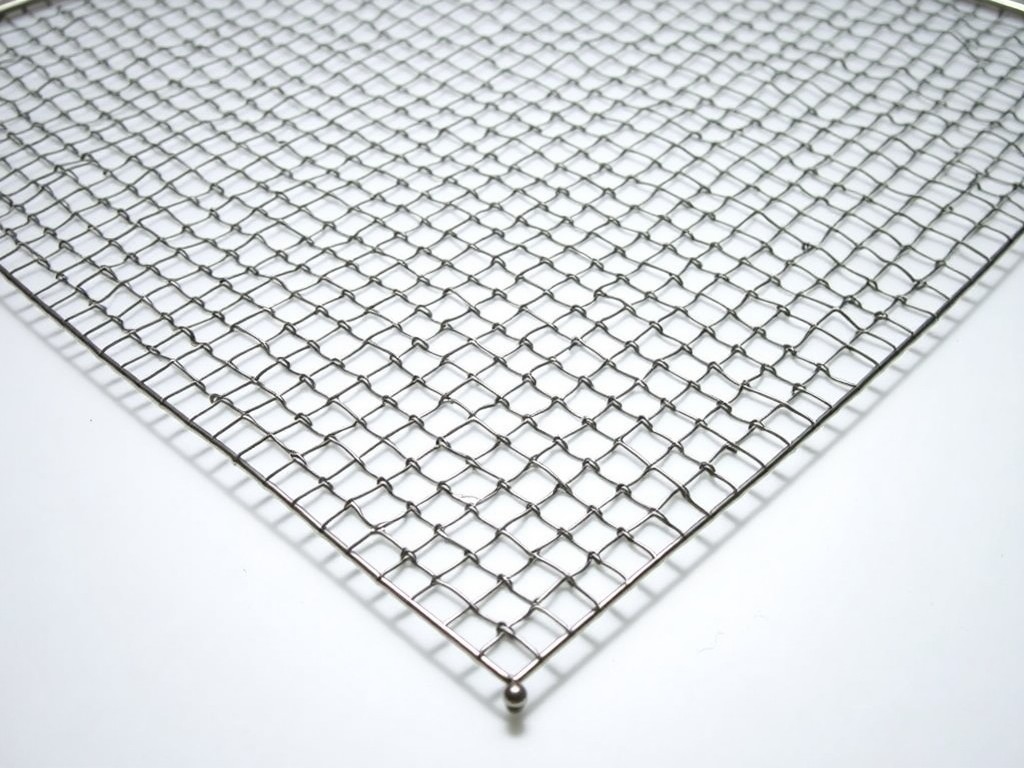
Understanding the price per square foot of welded wire mesh requires examining the technical and logistical factors that directly influence cost. This metric serves as a standardized benchmark for comparing options across suppliers, but the underlying variables—material composition, wire diameter, aperture size, coating type, and order volume—determine the final figure. Industrial buyers use this unit price to evaluate total project expenditure, particularly when integrating mesh into structural reinforcements, security barriers, or filtration systems where material efficiency and long-term performance are critical.
Price per square foot is not a fixed value but a calculated output derived from raw material costs, processing energy, labor, tooling wear, and overhead allocation. For example, a 6-inch by 6-inch aperture mesh made from 10-gauge galvanized steel will have a different cost basis than a 2-inch by 2-inch mesh using 14-gauge stainless steel, even if both cover the same area. These differences arise from variations in wire usage per unit area, welding frequency, and secondary processing steps like cleaning or passivation.
To make informed purchasing decisions, engineers and procurement teams must move beyond quoting a single number and instead analyze how each variable contributes to the total cost. This approach reduces the risk of selecting a product that appears economical upfront but incurs hidden expenses due to premature failure, installation difficulties, or incompatibility with environmental conditions.
Key Factors Influencing Price Per Square Foot
Wire gauge is one of the most significant cost drivers, as it directly affects the volume of steel used per square foot. Thicker wires (lower gauge numbers) increase material consumption non-linearly—for instance, upgrading from 12-gauge to 10-gauge wire increases cross-sectional area by approximately 56%, which typically raises the price per square foot by a similar margin, assuming all other factors remain constant.
Aperture size inversely correlates with welding density: smaller openings require more weld points per unit area, increasing both labor and machine time. A mesh with 1-inch square apertures may require up to four times as many welds as a 2-inch square aperture mesh of the same wire size, significantly impacting production cost. This relationship is especially pronounced in automated welding lines where cycle time and electrode wear are directly tied to weld frequency.
Material selection alters both base cost and processing requirements. Carbon steel is generally the most economical option, while stainless steel grades (e.g., 304, 316) command a premium due to higher alloy content and increased difficulty in welding, which may necessitate specialized shielding gases or post-weld cleaning to prevent galvanic corrosion or heat tint. Galvanization—whether hot-dipped or electrogalvanized—adds a processing step that varies in cost depending on coating thickness (e.g., G60 vs. G90) and adherence standards.
Order volume influences pricing through economies of scale in material procurement, machine setup amortization, and reduced handling overhead. A typical price break occurs between 100 and 500 square feet, where setup costs are distributed over a larger area, reducing the per-unit cost. Orders exceeding 1,000 square feet may qualify for additional discounts if they allow for uninterrupted production runs and optimized coil utilization.
Typical Price Ranges by Specification
| Wire Gauge | Aperture Size | Material/Coating | Typical Price Range (USD/ft²) |
|---|---|---|---|
| 14 | 2" x 2" | Carbon steel, plain | $0.80 – $1.20 |
| 12 | 1" x 1" | Carbon steel, hot-dip galvanized (G90) | $1.50 – $2.20 |
| 10 | 6" x 6" | Stainless steel 304 | $2.80 – $4.00 |
| 8 | 4" x 4" | Stainless steel 316, passivated | $4.50 – $6.50 |
| 16 | 1/2" x 1/2" | Carbon steel, electrogalvanized | $1.10 – $1.70 |
Note: Ranges reflect typical market pricing for standard rolls (4' width x 50' length) in volumes of 100–500 ft². Actual pricing depends on current raw material costs, lead time requirements, and supplier-specific overhead. Custom dimensions, special tolerances, or secondary fabrication (e.g., cutting, bending, framing) will alter the final price per square foot.
How to Request an Accurate Quotation
To receive a precise price per square foot quotation, suppliers require specific technical details beyond general descriptions. Providing the exact wire gauge (or diameter in mm/inch), aperture dimensions (center-to-center or clear opening), material grade, and coating specification enables accurate calculation of wire usage and processing time. Omitting any of these parameters often leads to ambiguous quotes or costly revisions later in the procurement cycle.
Additionally, specifying the required roll width, length, and total quantity helps the manufacturer optimize material yield and production scheduling. For example, requesting a non-standard width (e.g., 36 inches instead of 48 inches) may increase scrap rates or require slitting operations, which affect cost. Similarly, indicating whether the mesh will be used in tension, compression, or as a static barrier informs decisions about edge treatment and wire tensile strength requirements.
Industrial buyers should also disclose environmental exposure conditions—such as humidity, chemical contact, or temperature extremes—as these influence material selection and may necessitate upgrades (e.g., from galvanized to stainless steel) that impact cost. Sharing the intended application (e.g., concrete reinforcement, machine guarding, animal containment) allows suppliers to recommend appropriate standards (such as ASTM A185 or A497) and verify compliance needs.
Finally, clarify delivery terms, packaging preferences (e.g., waterproof wrap, palletizing, corner protection), and any required documentation (mill test reports, conformity certificates). These elements, while not part of the mesh itself, contribute to the total landed cost and should be factored into the price per square foot evaluation for true cost comparison.
For a detailed, project-specific quotation on welded wire mesh price per square foot, please provide your technical requirements via our inquiry form. Our engineering team will review your specifications, confirm material suitability, and deliver a itemized breakdown that includes all relevant cost components.
Request a Technical Quotation

Product Categories


Send Inquiry
If you are interested in our products, leave your information here and we will be in touch shortly.