0 6 Mm Stainless Steel Mig Wire
0.6 mm stainless steel MIG wire is a precision-engineered filler material designed for gas metal arc welding (GMAW) of thin-section austenitic and duplex stainless steels. Its small diameter enables
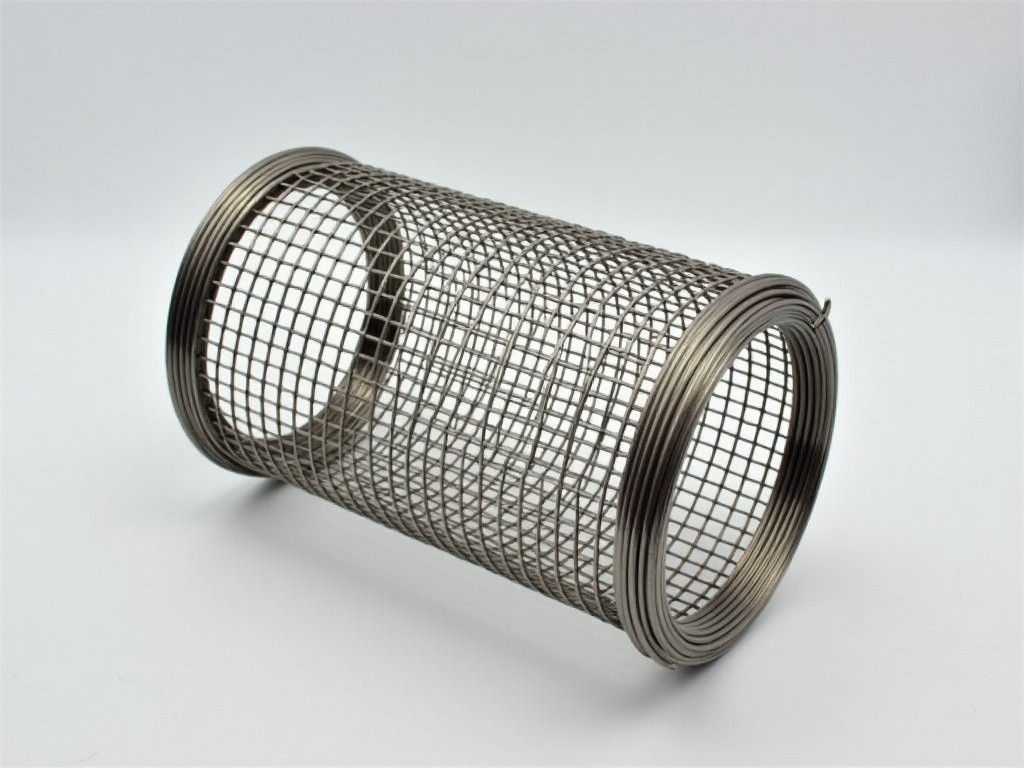
0.6 mm Stainless Steel MIG Wire
0.6 mm stainless steel MIG wire is a precision-engineered filler material designed for gas metal arc welding (GMAW) of thin-section austenitic and duplex stainless steels. Its small diameter enables low heat input, minimizing distortion and burn-through in applications such as food processing equipment, pharmaceutical machinery, and architectural cladding. This wire is commonly used with argon-based shielding gases to achieve clean, spatter-resistant welds with excellent corrosion resistance matching the base metal.
Material Composition and Classification
The wire is typically manufactured from ER308L, ER309L, or ER316L stainless steel grades, each selected based on the base metal composition and service environment. ER308L is suited for welding 304 and 304L stainless steels, offering low carbon content to reduce sensitization risk. ER309L is used for dissimilar metal joints, such as stainless to carbon steel, due to its higher chromium and nickel content. ER316L provides enhanced resistance to chlorides and acids, making it ideal for marine and chemical processing environments. All variants comply with AWS A5.9 and ISO 14343 standards, ensuring consistent chemical composition and mechanical properties.
Diameter Tolerance and Feed Consistency
The 0.6 mm diameter is held to a tight tolerance of ±0.03 mm, critical for stable arc initiation and consistent wire feed in automated and semi-automatic welding systems. Deviations beyond this range can cause wire jam, uneven deposition, or arc instability, particularly in robotic welding cells where repeatability is essential. The wire is precision-drawn and subjected to in-line laser measurement to maintain dimensional accuracy along the entire spool length, ensuring reliable performance in high-speed welding applications.
Shielding Gas Compatibility and Welding Parameters
Optimal welding performance is achieved with shielding gases such as 98% argon/2% CO₂ or 97.5% argon/2.5% CO₂, which balance arc stability, bead appearance, and penetration control. For pulsed MIG welding, argon-helium mixtures may be used to increase weld pool fluidity without increasing heat input. Typical welding parameters for 0.6 mm wire range from 18–22 volts and 80–120 amps, depending on joint configuration and base metal thickness. These low-energy settings are essential for welding thin gauges (0.5–1.5 mm) without warping or metallurgical degradation.
Mechanical Properties of the Weld Deposit
The weld metal produced from ER308L 0.6 mm wire typically exhibits a tensile strength of 520–620 MPa, yield strength of 320–400 MPa, and elongation of 35–45%, meeting the requirements for austenitic stainless steel welds. Impact toughness at -196°C exceeds 32 J for cryogenic applications, while ferrite content is maintained between 3–8 FN to prevent hot cracking during solidification. These properties are validated through batch testing per AWS A5.9, with mill test reports available upon request to support material traceability and qualification.
Spool Design and Packaging Options
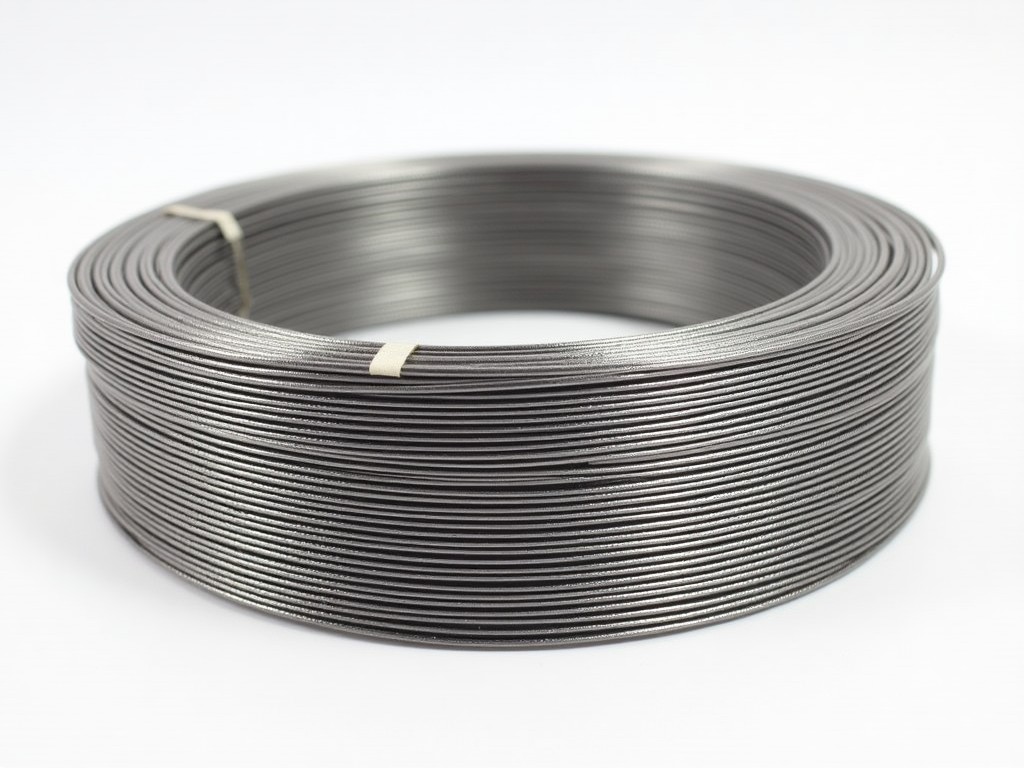
The wire is wound on precision-engineered spools designed to prevent tangling and ensure smooth feed during operation. Standard spool sizes include 0.5 kg (mini-spool for handheld welders) and 5 kg or 15 kg (industrial spools for automated systems). Spools are manufactured from recycled plastic with anti-static properties to reduce dust attraction and are sealed in moisture-barrier bags with desiccant packs to prevent oxidation during storage. Each spool is labeled with batch number, wire grade, diameter, and recommended parameters for traceability and setup efficiency.
Applications in Industry-Specific Contexts
In food and beverage manufacturing, 0.6 mm ER316L wire is used to weld sanitary tubing, tank joints, and conveyor frames where crevice corrosion and bacterial retention must be avoided. The low heat input preserves the passive oxide layer, reducing post-weld cleaning requirements. In architectural stainless steel façades, the wire enables precise welding of thin cladding panels and support brackets without visible distortion, maintaining aesthetic integrity. For pharmaceutical equipment, the wire’s low carbon content minimizes carbide precipitation, preserving corrosion resistance in environments exposed to cleaning agents and sterilization cycles.
Quality Control and Manufacturing Considerations
Manufacturing begins with certified stainless steel rod, which undergoes successive drawing steps to reach 0.6 mm diameter while maintaining metallurgical uniformity. In-line monitoring includes eddy current testing for surface defects, laser diameter gauging, and chemical analysis via optical emission spectroscopy. Spools are subjected to bend tests and feedability checks on simulated welding equipment before release. Final inspection includes verification of cast and helix (typically 3–6 cm cast, 10–15 cm helix) to ensure compatibility with diverse wire drive systems.
Comparison with Alternative Diameters
Compared to 0.8 mm or 1.0 mm stainless steel MIG wires, the 0.6 mm variant offers superior control in thin-material welding, reducing the risk of burn-through and minimizing the need for post-weld grinding. While deposition rates are lower, the trade-off is justified in applications where appearance, dimensional stability, and corrosion resistance are prioritized over speed. For thicknesses above 1.5 mm, larger diameters become more efficient, but for sub-1.5 mm gauges, 0.6 mm remains the preferred choice for precision welding tasks.
Environmental and Safety Compliance
The wire is free from lead, cadmium, and mercury, complying with RoHS and REACH regulations for hazardous substances. Fume generation during welding is minimized due to low carbon content and precise parameter control, though adequate ventilation and PPE remain necessary as per OSHA 1910.252. Spools are recyclable, and packaging materials are selected to minimize environmental impact without compromising protection against moisture and contamination.
Customization and Technical Support
Custom spool sizes, specialized packaging (such as vacuum-sealed or nitrogen-purged for long-term storage), and alternative wire grades (e.g., ER347 for high-temperature service) are available upon request. Technical support includes assistance with parameter optimization, shielding gas selection, and weld procedure qualification (WPQ) documentation. Mill test reports, batch-specific chemical analysis, and conformity certificates can be provided to support audits and certification requirements such as ASME Section IX or PED.
More Products

Send Inquiry
If you are interested in our products, leave your information here and we will be in touch shortly.