18K Gold Plated Stainless Steel Wire
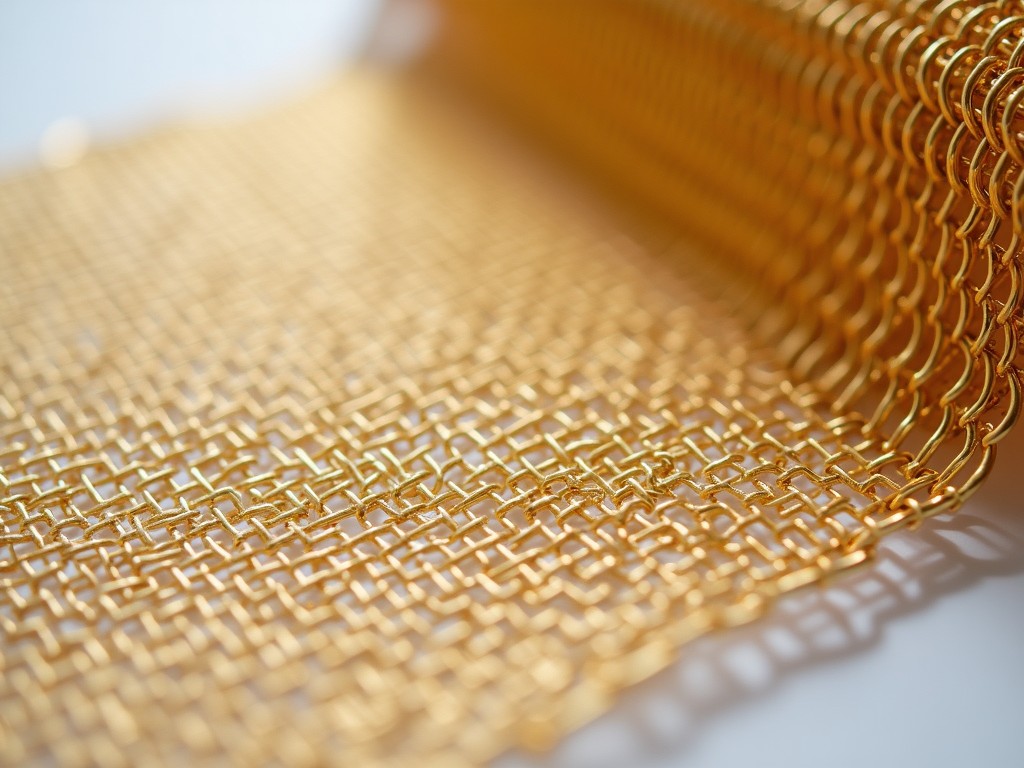
18k gold plated stainless steel wire combines the mechanical strength and corrosion resistance of stainless steel with a durable, decorative gold finish. The base wire is typically made from
18k Gold Plated Stainless Steel Wire
18k gold plated stainless steel wire combines the mechanical strength and corrosion resistance of stainless steel with a durable, decorative gold finish. The base wire is typically made from austenitic grades such as 304 or 316L, selected for their formability and resistance to oxidation and chemical exposure. The plating process applies a layer of 18-karat gold (75% pure gold) via electroplating, ensuring strong adhesion and uniform thickness. This combination is used where both functional performance and aesthetic appeal are required, such as in high-end jewelry components, architectural detailing, and precision instrumentation.
The stainless steel substrate provides tensile strength ranging from 500 to 1000 MPa depending on grade and temper, while maintaining ductility for bending, coiling, or weaving. The gold plating layer typically measures between 0.5 and 2.0 microns in thickness, sufficient for decorative wear resistance in low-abrasion environments. Thicker plating can be specified for applications requiring extended visual durability, though this increases cost and may affect flexibility. Adhesion is critical—proper surface preparation and intermediate nickel underplating prevent delamination under mechanical stress or thermal cycling.
Electroplating parameters such as current density, bath temperature, and agitation directly influence plating uniformity and grain structure. Poor process control can lead to porosity, pitting, or uneven thickness, compromising both appearance and corrosion barrier performance. Post-plating treatments like mild passivation or protective clear coats may be applied to enhance tarnish resistance, especially in humid or sulfide-exposed environments. All processes comply with RoHS and REACH standards where applicable, ensuring the final product is safe for consumer-contact applications.
Technical Specifications
| Property | Typical Value / Range | Notes |
|---|---|---|
| Base Material | AISI 304, 316L stainless steel | Selected for corrosion resistance and formability |
| Wire Diameter Range | 0.10 mm to 5.00 mm | Custom diameters available upon request |
| Tensile Strength | 500–1000 MPa | Dependent on grade and temper (annealed to full hard) |
| Gold Plating Thickness | 0.5–2.0 microns | 18k (75% Au); thicker options available |
| Underplating | Nickel (1–3 microns) | Improves adhesion and diffusion barrier |
| Surface Finish | Bright, matte, or brushed | Achieved via pre-plating polishing or post-plating treatment |
| Elongation at Break | 10–45% | Varies with temper and diameter |
| Operating Temperature | -50°C to 200°C | Limited by plating adhesion and tarnish resistance |
Applications
In jewelry manufacturing, this wire is used for chains, clasps, and decorative findings where the gold appearance must withstand handling and occasional contact with skin or clothing. The stainless steel core resists deformation during drawing and forming, while the gold layer maintains luster without the cost of solid gold. Unlike plated brass or copper alternatives, the stainless substrate prevents green discoloration from oxidation, ensuring long-term visual consistency.
Architectural and interior design applications include cable railings, decorative trims, and lighting fixtures exposed to indoor environments. The wire’s corrosion resistance allows use in humid conditions such as bathrooms or coastal installations, where plain steel would rust and brass might dezincify. The gold finish provides a premium aesthetic that matches brushed or polished fixtures without requiring frequent replating.
Precision instruments and medical devices utilize this wire in non-implantable components such as sensor housings, probe tips, or adjustable mechanisms where conductivity, biocompatibility, and appearance matter. The gold layer offers reliable surface conductivity for low-voltage contacts, while the stainless steel resists sterilization processes like autoclaving or chemical wiping. Nickel underplating is often minimized or avoided in medical-grade versions to reduce allergy risk, with alternative barrier layers specified upon request.
Customization Options
Wire diameter can be tailored from fine filaments (0.10 mm) for intricate weaving to heavier gauges (up to 5.00 mm) for structural or load-bearing roles. Tolerances are typically held to ±0.01 mm for precision applications, with looser tolerances available for cost-sensitive uses. Surface finish options include bright (as-plated), matte (via bead blasting or chemical etching), or brushed (directional polishing), each affecting light reflection and perceived texture.
Plating thickness is adjustable based on expected wear exposure. For low-contact decorative items, 0.5 micron may suffice, while high-touch architectural elements may require 1.5–2.0 microns. Alternative gold karats (14k, 22k) or alloyed plating (e.g., gold-copper for rose tones) are available to match specific color requirements. All customizations are subject to process feasibility and may require minimum order quantities or tooling adjustments.
Packaging options include spools, coils, or straight cut lengths, with anti-tangle designs for automated feeding systems. Spools are commonly used with plastic or wooden cores, labeled with material grade, diameter, and plating specifications. For export, moisture-barrier bags and desiccant packs are standard to prevent tarnish during transit. Special packaging for cleanroom or ESD-sensitive environments is available upon request.
Quality Control
Incoming stainless steel wire is inspected for diameter consistency, surface defects, and material certification (e.g., EN 10204 3.1). Pre-plating cleaning involves alkaline degreasing and acid pickling to remove oxides and oils, ensuring optimal adhesion. During plating, thickness is monitored via X-ray fluorescence (XRF) or coulometric stripping at multiple points along the coil to detect variations.
Adhesion testing follows ASTM B571 or equivalent bend tests, where the plated wire is bent over a mandrel to check for cracking or delamination. Porosity is assessed using sodium sulfide or copper sulfate spot tests to identify pinholes in the gold layer. Visual inspection under controlled lighting checks for color uniformity, brightness, and absence of burning or streaking.
Final verification includes salt spray testing (ASTM B117) to evaluate corrosion resistance of the plated system, though gold’s nobility limits meaningful acceleration—testing focuses more on underplating integrity and edge coverage. Tensile and elongation tests confirm base metal properties are retained after processing. All test results are documented and available upon request, supporting traceability and compliance with industry standards.
For technical inquiries, custom specifications, or sample requests, contact our engineering team to discuss your application requirements.
Request Technical Consultation
More Products

Send Inquiry
If you are interested in our products, leave your information here and we will be in touch shortly.