5Kg Stainless Steel Mig Welding Wire
Stainless steel MIG welding wire in 5kg spools is commonly selected for applications requiring corrosion resistance, aesthetic weld appearance, and compatibility with austenitic stainless steel base
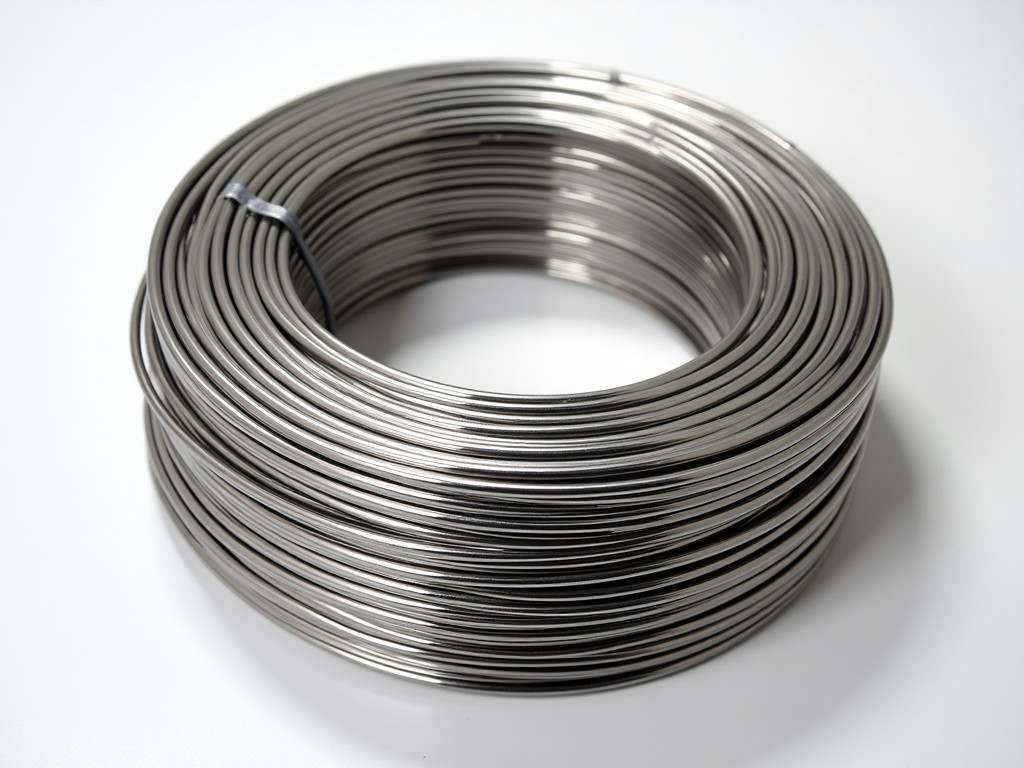
5kg Stainless Steel MIG Welding Wire
Stainless steel MIG welding wire in 5kg spools is commonly selected for applications requiring corrosion resistance, aesthetic weld appearance, and compatibility with austenitic stainless steel base metals such as 304, 308L, 309L, and 316L. The wire diameter—typically ranging from 0.8mm to 1.2mm—is chosen based on joint thickness, welding current, and desired bead profile. This format balances handling convenience with sufficient length for moderate-production welding tasks in fabrication shops, maintenance operations, and field service environments.
The wire’s chemical composition directly influences weld metal microstructure, corrosion resistance, and mechanical properties. For example, ER308L contains approximately 18–20% chromium and 8–12% nickel with a maximum carbon content of 0.03%, minimizing carbide precipitation during welding and reducing susceptibility to intergranular corrosion. ER316L adds 2–3% molybdenum to enhance resistance to chlorides and acidic environments, making it suitable for marine, chemical processing, and food-grade applications. These compositions are standardized under AWS A5.9 and EN ISO 14343 specifications.
Shielding gas selection significantly affects weld penetration, bead shape, and spatter levels. A tri-mix of argon (90%), helium (7.5%), and CO₂ (2.5%) is often used for austenitic stainless steels to improve fluidity and reduce oxidation, while pure argon or argon-rich blends (e.g., 98% Ar/2% O₂) may be selected for thinner materials or pulsed MIG processes to minimize heat input. The wire’s deoxidizers—typically silicon and manganese—help stabilize the arc and compensate for minor oxidation during transfer, but excessive levels can increase spatter or affect fluidity.
Wire feed consistency is critical for stable arc performance. The 5kg spool is wound with precise tension control to prevent loosening, tangling, or over-tightening, which can cause feed irregularities or wire deformation. Surface quality is monitored to ensure absence of rust, oil, or drawing lubricants that could introduce porosity or hydrogen pickup. Clean, dry wire improves arc stability and reduces the likelihood of weld defects such as lack of fusion or wormtracking.
Diameter tolerance affects current density and deposition rate. A 0.9mm wire, for instance, typically operates effectively between 180–220 amps with a voltage range of 24–28V in short-circuit transfer, while a 1.2mm wire may require 250–300 amps for similar transfer modes. These values depend on stick-out length, shielding gas, and joint geometry. Consistent diameter ensures predictable burn-off rates and helps maintain consistent weld bead geometry across passes.
Packaging protects the wire from environmental exposure during storage and transit. Spools are typically sealed in moisture-barrier bags with desiccant packs and placed inside crush-resistant cardboard boxes. This prevents humidity absorption, which can lead to hydrogen-induced cracking in sensitive stainless steel grades. Clear labeling includes alloy type, diameter, net weight, lot number, and applicable standards (e.g., AWS ER308L, EN ISO 14343-A: G 19 9 L Si), enabling traceability and compliance with quality management systems such as ISO 9001 or ASME Section IX.
Mechanical properties of the deposited weld metal are influenced by base metal dilution, heat input, and shielding gas. ER308L welds typically exhibit tensile strength in the range of 550–690 MPa and yield strength of 350–450 MPa, with elongation exceeding 35% under standard testing conditions. Impact toughness at cryogenic temperatures (e.g., -196°C) is often maintained above 32 J for properly welded joints, making these wires suitable for liquefied gas storage and low-temperature piping systems. These values are not guaranteed but reflect typical outcomes when procedures are followed correctly.
Applications span industries where hygiene, durability, or chemical resistance is essential. In food and beverage processing, ER308L wire is used to weld tanks, piping, and conveyors where resistance to frequent cleaning agents and sterilization cycles is required. In pharmaceutical equipment, low-carbon grades minimize sensitization risks that could compromise passive oxide layers. Architectural stainless steel components—such as handrails, façades, and structural supports—benefit from the wire’s ability to produce smooth, uniform beads that require minimal post-weld cleaning or polishing.
Marine and offshore installations frequently use ER316L wire for propeller shafts, seawater piping, and platform components exposed to splash zones and salt spray. The molybdenum content enhances resistance to pitting and crevice corrosion in chloride-rich environments. Similarly, in chemical processing plants handling sulfonic acids, chlorinated solvents, or acidic effluents, ER316L or ER309L wires may be selected to withstand aggressive media where standard grades would degrade prematurely.
Welding procedure qualification often requires documentation of wire characteristics. Manufacturers provide mill test reports (MTRs) detailing chemical composition, mechanical properties, and conformity to specifications. These documents support weld procedure specification (WPS) development and procedure qualification record (PQR) validation, particularly in regulated sectors such as pressure vessel fabrication (ASME Section VIII) or nuclear component manufacturing. Traceability from spool to final weld is a key requirement in auditable quality systems.
Storage conditions affect wire longevity. Even with protective packaging, prolonged exposure to temperatures above 30°C or relative humidity exceeding 60% can degrade surface quality over time. Best practice involves storing spools in climate-controlled areas, using first-in-first-out (FIFO) inventory rotation, and inspecting for signs of corrosion or contamination before use. Some facilities implement nitrogen-purged cabinets or desiccator systems for high-integrity applications.
The 5kg spool size offers a practical compromise between portability and operational efficiency. It is light enough to be handled manually by a single operator yet contains sufficient wire length—approximately 110 to 180 meters depending on diameter—to reduce frequent changeovers during shifts. This size is especially suitable for maintenance teams, job shops, or satellite welding stations where large drums or palletized spools would be impractical. Compatibility with standard 200mm or 300mm spindle adapters ensures use across most wire feeders and welding robots.
When selecting a 5kg stainless steel MIG wire, buyers should verify not only the alloy classification and diameter but also the manufacturer’s quality control practices. Key considerations include drawing process consistency, surface cleaning efficacy, spool winding precision, and packaging integrity. Certifications such as ISO 9001, ISO 14001, or adherence to specific customer audit protocols (e.g., Samsung, Siemens, or GE specifications) may influence supplier approval. Requesting sample spools for trial welding under actual process conditions remains a recommended step before committing to volume purchases.
| Property | Typical Range or Specification |
|---|---|
| Alloy Types (Common) | ER308L, ER309L, ER316L, ER347 |
| Wire Diameter | 0.8mm, 0.9mm, 1.0mm, 1.2mm |
| Spool Weight | 5kg net weight |
| Shielding Gas (Typical) | Ar/He/CO₂ tri-mix, 98% Ar/2% O₂, or 100% Ar (pulsed MIG) |
| Applicable Standards | AWS A5.9, EN ISO 14343-A, ASME SFA-5.9 |
| Chemical Composition (ER308L Example) | Cr: 18–20%, Ni: 8–12%, C: ≤0.03%, Mn: 1–2.5%, Si: 0.3–0.65% |
| Tensile Strength (Weld Metal) | 550–690 MPa (typical, dependent on procedure) |
| Elongation | >35% (typical) |
| Storage Recommendation | <30°C, <60% RH, sealed moisture barrier |
Environmental and safety considerations are integral to responsible use. Stainless steel welding generates fumes containing chromium, nickel, and manganese oxides, necessitating adequate ventilation or fume extraction systems in accordance with OSHA, ACGIH, or local regulatory standards. Proper personal protective equipment (PPE)—including welding helmets with appropriate shade filters, gloves, and respiratory protection when required—must be used. Wire spools and packaging materials are generally recyclable; steel spools can be reclaimed, and cardboard containers are suitable for standard recycling streams.
For procurement engineers and welding supervisors, the decision to specify a particular 5kg stainless steel MIG wire extends beyond immediate cost. Factors such as rework risk, weld consistency, compliance with industry standards, and long-term performance in service environments contribute to total cost of ownership. A wire that minimizes porosity, cracking, or corrosion-related failures reduces downtime, inspection burden, and potential liability. Documentation traceability and consistent lot-to-lot performance support predictive maintenance and quality assurance programs.
To request technical data sheets, mill test reports, or discuss suitability for a specific application—such as dual-certified wire for 304/316L bases, low-hydrogen variants, or custom packaging for automated systems—please contact our technical team. We provide detailed specification support and can assist with welding procedure optimization based on your base metal thickness, joint design, and production environment.
Request Technical Specification or Sample
More Products

Send Inquiry
If you are interested in our products, leave your information here and we will be in touch shortly.