B2B Stainless Steel Verandah Wire
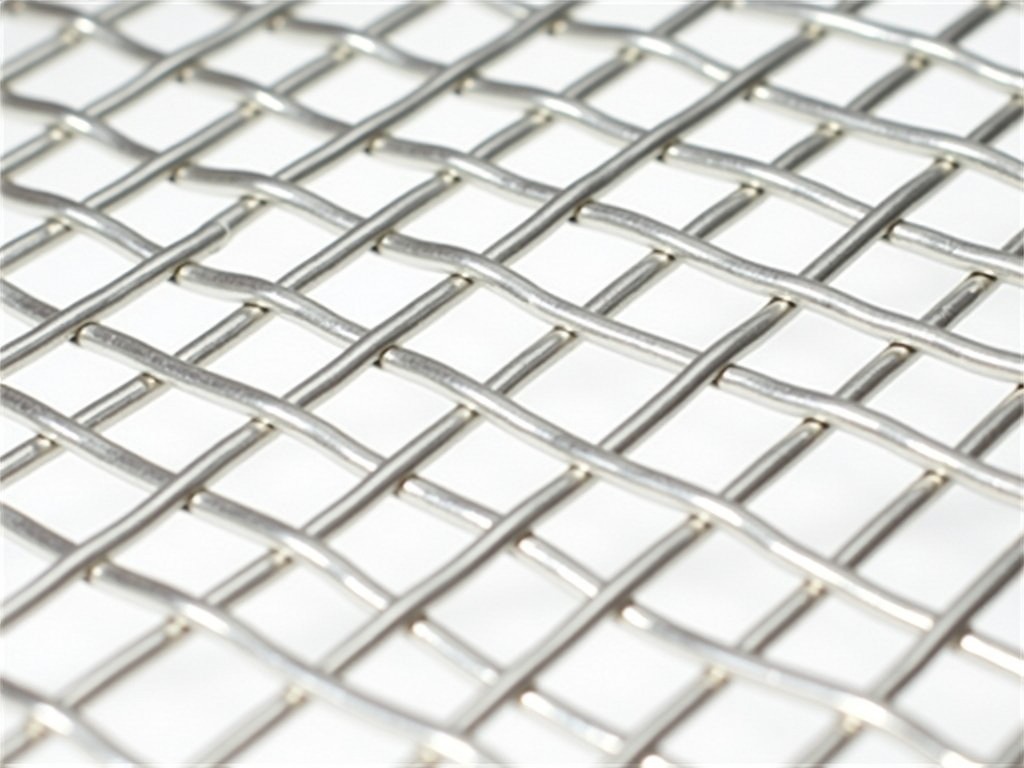
Stainless steel verandah wire is a tensioned structural component used to support glass, polycarbonate, or fabric canopy systems in commercial and industrial verandah applications. It provides
B2B Stainless Steel Verandah Wire
Stainless steel verandah wire is a tensioned structural component used to support glass, polycarbonate, or fabric canopy systems in commercial and industrial verandah applications. It provides longitudinal restraint to prevent lateral displacement of cladding under wind, snow, or live loads while maintaining a minimal visual profile. Selection depends on span length, cladding weight, environmental exposure, and connection geometry.
Material Composition and Corrosion Resistance
Verandah wire is typically manufactured from austenitic stainless steel grades 304 or 316, chosen based on chloride exposure and aesthetic requirements. Grade 304 offers adequate resistance in urban or low-salinity environments, while grade 316 contains 2–3% molybdenum to resist pitting and crevice corrosion in coastal, industrial, or poolside atmospheres. Wire diameter ranges from 3mm to 6mm, with tensile strength between 500–700 MPa depending on cold-work level and grade.
Surface finish is usually annealed and pickled or passivated to restore the chromium oxide layer after drawing. For architectural visibility, electropolished or brushed finishes are available to minimize glare and staining. Unlike galvanized alternatives, stainless steel does not require recoating and maintains structural integrity for 25+ years in harsh conditions without maintenance.
Mechanical Properties and Load Capacity
The wire functions as a tensile member, so yield strength and elongation are critical for safety and serviceability. Typical 316 stainless steel wire (5mm diameter) has a minimum yield strength of 300 MPa and elongation exceeding 25%, allowing elastic recovery under cyclic loading. Stress-strain behavior remains linear up to 70–80% of ultimate tensile strength, enabling predictable deflection under service loads.
Maximum safe working load is calculated using a factor of safety of 4:1 on ultimate tensile strength, accounting for dynamic effects and stress concentrations at terminations. For a 5mm 316 wire, this results in a working load limit of approximately 1.4 kN. Longer spans or higher cladding loads may require multiple wires, increased diameter, or intermediate support brackets to limit deflection to L/200 or less.
Termination Methods and Connection Design
End connections significantly influence system reliability. Common methods include swaged fittings, threaded terminals with lock nuts, or wedge grips, each transferring load via mechanical interlock or friction. Swaged terminals provide the highest efficiency (>90% of wire strength) but require specialized tooling. Threaded systems allow field adjustment for tensioning but introduce stress concentrations at the thread root.
To prevent galling in stainless steel threads, lubricants or anti-seize compounds compatible with the environment must be used. Connection hardware (shackles, turnbuckles, eye bolts) should match the wire grade to avoid galvanic coupling. All terminations must be designed to avoid bending stresses on the wire; ideal alignment ensures load is applied axially.
Applications in Commercial and Industrial Verandahs
Stainless steel verandah wire is used in walkway canopies, entrance covers, car park shelters, and outdoor dining areas where transparency, low maintenance, and longevity are priorities. In retail or hospitality settings, it supports frameless glass panels, eliminating vertical mullions for unobstructed views. In industrial facilities, it retains polycarbonate or corrugated metal sheets over loading bays or equipment protection zones.
The wire’s small diameter (typically 4–6mm) minimizes visual impact compared to structural rods or cables, making it suitable for architecturally sensitive installations. Its high strength-to-size ratio allows longer spans between supports than aluminum or coated steel alternatives, reducing the number of anchor points and simplifying foundation design.
Customization Options and Project-Specific Design
Wire diameter, grade, finish, and termination type are selected based on load calculations, environmental data, and architectural constraints. For example, a 6mm 316 electropolished wire with swaged ends may be specified for a coastal hotel entrance with 12mm tempered glass, while a 4mm 304 wire with threaded terminals suits an inland office walkway with 6mm polycarbonate.
Length is cut to exact site dimensions, with allowances taken for connection hardware. Pre-stretching is available upon request to minimize initial creep. Marking or tagging for traceability can be added if required by quality protocols. All customizations are subject to engineering review to ensure compatibility with intended load paths and deflection limits.
Quality Control and Testing
Each batch undergoes material verification via mill test certificates confirming chemical composition and mechanical properties. Visual inspection checks for surface defects, nicking, or drawing scratches that could act as stress concentrators. Dimensional checks ensure diameter tolerance stays within ±0.1mm.
For critical applications, tensile testing of samples validates strength and elongation. Termination assemblies may be pull-tested to confirm efficiency. Packaging includes protective sleeves or reels to prevent deformation during transit. Documentation, including test reports and grade certification, is provided with shipment upon request.
| Property | Typical Value (316 Stainless Steel, 5mm Diameter) | Note |
|---|---|---|
| Tensile Strength | 600–700 MPa | Cold-work dependent |
| Yield Strength | 300–350 MPa | 0.2% offset |
| Elongation at Break | 25–35% | In 50mm gauge length |
| Density | 8.0 g/cm³ | Standard for austenitic grades |
| Working Load Limit (FOS 4:1) | 1.4 kN | Based on minimum tensile strength |
| Maximum Recommended Span | 6–8 meters | Depends on cladding weight and deflection limit |
Environmental and Lifecycle Considerations
Stainless steel verandah wire contributes to sustainable design through longevity and recyclability. A properly selected grade 316 installation in a coastal environment can exceed 25 years of service with no maintenance, reducing lifecycle costs compared to coated systems requiring repainting or replacement. At end-of-life, the wire is 100% recyclable without degradation of material properties.
Unlike organic coatings or galvanized zinc, stainless steel does not emit volatile compounds or leach metals during service. Its inert nature makes it suitable for use near food preparation areas, laboratories, or water harvesting systems. Environmental product declarations (EPDs) are available upon request for projects pursuing green building certification.
Ordering and Technical Support
To initiate a quotation, provide span length, cladding type and weight, environmental conditions (e.g., inland, coastal, industrial), preferred wire diameter, and termination method. Drawings or sketches showing connection points and support structures are helpful for verifying load paths. Samples of wire and terminals can be arranged for evaluation.
Lead time varies from 2–4 weeks for standard configurations to 6–8 weeks for custom finishes or specialized fittings. All inquiries are reviewed by technical engineers to ensure the proposed solution meets safety, serviceability, and durability requirements. Contact us for project-specific consultation.
More Products

Send Inquiry
If you are interested in our products, leave your information here and we will be in touch shortly.