B2B Stainless Steel Wire 0 3 Mm
Stainless steel wire with a nominal diameter of 0.3 mm is commonly specified in precision engineering applications where dimensional stability, corrosion resistance, and consistent mechanical
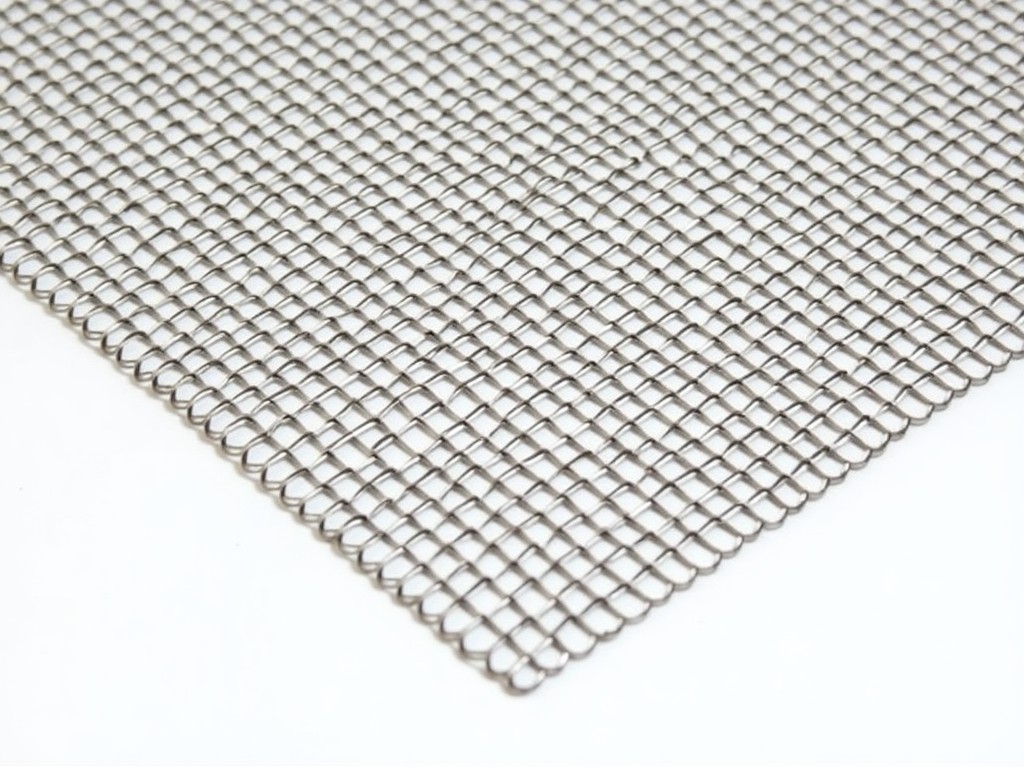
B2B Stainless Steel Wire 0.3 mm
Stainless steel wire with a nominal diameter of 0.3 mm is commonly specified in precision engineering applications where dimensional stability, corrosion resistance, and consistent mechanical properties are critical. At this scale, even minor variations in diameter or tensile strength can significantly impact performance in dynamic or load-sensitive assemblies.
This wire is typically produced from austenitic grades such as 304 or 316L, selected for their balance of formability, weldability, and resistance to oxidation and mild chemical exposure. The 0.3 mm dimension places it in the fine wire category, requiring tight process control during drawing to maintain roundness and surface integrity.
Buyers in industries such as medical device manufacturing, filtration, sensor technology, and micro-mechanics rely on this specification for components like guide wires, filtering elements, spring elements, and electrical interconnects where failure due to wire inconsistency is not acceptable.
Technical Characteristics
The mechanical behavior of 0.3 mm stainless steel wire is governed by its tensile strength, elongation, and modulus of elasticity, all of which vary based on temper and post-processing. Typical tensile strength ranges from 800 to 2000 MPa depending on whether the wire is supplied in annealed, 1/4 hard, 1/2 hard, or full hard condition.
Elongation at break inversely correlates with hardness: annealed wire may exceed 40% elongation, while full hard variants typically fall below 10%. This trade-off allows engineers to select the appropriate temper based on whether the application prioritizes flexibility (e.g., bending into coils) or load-bearing capacity (e.g., tension springs).
Surface finish is another critical parameter; common finishes include bright drawn, matte, or electropolished. Electropolishing improves surface smoothness and reduces particulate shedding, making it suitable for cleanroom or medical environments.
Material Options and Selection Logic
While 304 and 316L are the most frequently used grades, alternatives such as 302, 316Ti, or precipitation-hardening grades like 17-7 PH may be specified based on environmental or mechanical demands. Grade 316L offers improved resistance to chlorides and acidic environments compared to 304, making it preferable for marine, chemical processing, or implantable applications.
For high-temperature or high-stress environments, 17-7 PH provides superior strength after heat treatment while maintaining good formability in the annealed state. However, its higher cost and more complex processing restrict use to applications where standard austenitic grades are insufficient.
Material selection should always consider the full service environment: temperature extremes, exposure to chemicals, cyclic loading, and required service life. Mill test reports (MTRs) and certification to standards such as ASTM A313 or EN 10270-3 are typically available upon request to validate compliance.
Manufacturing Considerations
Producing consistent 0.3 mm wire requires precision drawing equipment with in-process monitoring to control diameter variation, tensile properties, and surface defects. Typical diameter tolerance is ±0.005 mm, though tighter tolerances (e.g., ±0.002 mm) are available for specialized applications.
Surface defects such as scratches, pits, or seams are minimized through proper die lubrication, controlled drawing speed, and intermediate annealing when multiple passes are required. Final inspection often includes laser micrometry, eddy current testing, and visual inspection under magnification.
Spooling method also affects usability; common options include plastic spools, wooden reels, or paper cores with anti-tangle features. Spool weight and wire length are customized based on downstream feeding equipment to minimize changeover time and prevent tangling during automated processing.
Typical Applications
In medical devices, 0.3 mm stainless steel wire is used in guide wires for catheter delivery, where flexibility, kink resistance, and biocompatibility are essential. The wire must navigate tortuous vascular pathways without permanent deformation or fragmentation.
In filtration systems, it serves as a weaving or knitting element in micron-rated screens, where uniform diameter ensures consistent pore size and flow characteristics. Corrosion resistance prevents degradation in liquid or gas streams over extended service life.
Micro-springs and torsion elements in sensors, actuators, and aerospace fasteners utilize this wire for its predictable spring rate and fatigue resistance. The small diameter allows integration into compact mechanisms where space is limited.
Electrical applications include use as a heating element in precision resistors or as a bonding wire alternative in microelectronics, where consistent resistivity and oxidation resistance are required.
| Property | Typical Value / Range | Notes |
|---|---|---|
| Nominal Diameter | 0.3 mm | Standard; custom tolerances available |
| Diameter Tolerance | ±0.005 mm (standard) | Tighter tolerances (±0.002 mm) upon request |
| Material Grade | 304, 316L, 302, 17-7 PH | Grade selected based on environment and load |
| Tensile Strength | 800–2000 MPa | Dependent on temper and grade |
| Elongation at Break | 10–45% | Higher in annealed condition |
| Surface Finish | Bright drawn, matte, electropolished | Electropolished for cleanroom use |
| Typical Spool Weight | 0.5–5 kg | Customizable to feeder requirements |
| Compliance Standards | ASTM A313, EN 10270-3, ISO 6931-1 | Certificates available upon request |
Customization and Ordering
This product is available in custom lengths, tempers, grades, and surface finishes to meet specific application requirements. Buyers should provide details on intended use, environmental exposure, mechanical loads, and any required certifications to ensure accurate quotation and production planning.
Minimum order quantities vary depending on grade and processing requirements but are typically flexible for industrial buyers. Lead times are influenced by material availability, tempering processes, and spooling configuration, with standard grades generally offering shorter turnaround.
Technical support is available to assist with material selection, tolerance specification, and packaging options. Samples can be arranged for evaluation prior to full-scale procurement, allowing validation in actual operating conditions.
For detailed specifications, quotation, or to discuss custom requirements for your application, contact our technical team.
Request Technical Consultation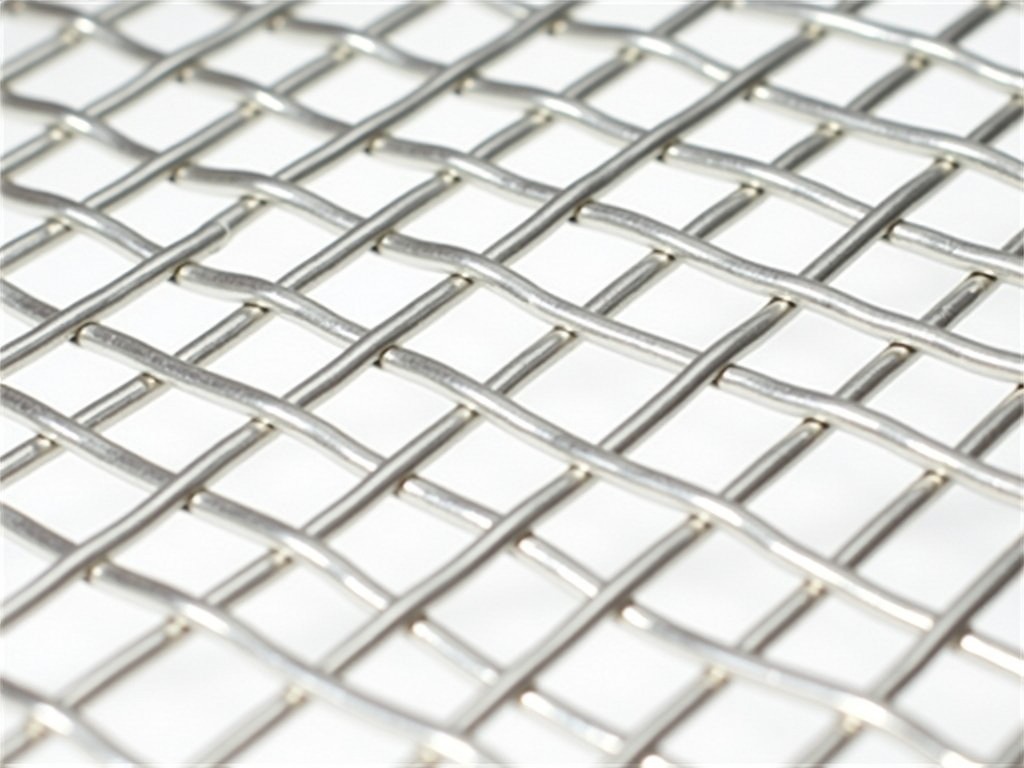
More Products

Send Inquiry
If you are interested in our products, leave your information here and we will be in touch shortly.