Buy Stainless Steel Rebar Tie Wire
Stainless steel rebar tie wire is a critical fastening component used to secure reinforcing bars (rebar) in concrete structures. Its primary function is to maintain precise rebar spacing and
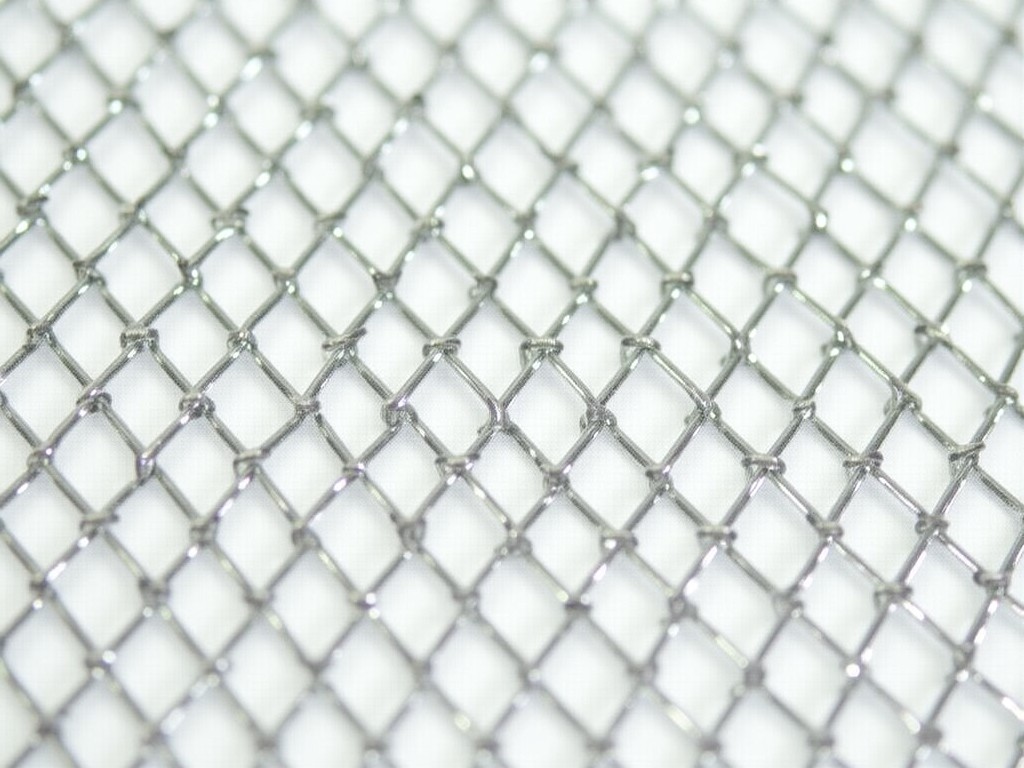
Stainless Steel Rebar Tie Wire for Industrial Concrete Reinforcement
Stainless steel rebar tie wire is a critical fastening component used to secure reinforcing bars (rebar) in concrete structures. Its primary function is to maintain precise rebar spacing and alignment during concrete pouring, ensuring structural integrity and load distribution as designed. Unlike carbon steel alternatives, stainless steel variants resist corrosion in aggressive environments, extending service life and reducing lifecycle costs in infrastructure exposed to moisture, chlorides, or industrial chemicals.
Material Composition and Corrosion Resistance
The wire is manufactured from austenitic stainless steel grades, most commonly AISI 304 or 316, selected based on environmental exposure. Grade 304 contains approximately 18% chromium and 8% nickel, providing adequate resistance to atmospheric corrosion and mild chemical exposure. Grade 316 adds 2-3% molybdenum, significantly enhancing resistance to pitting and crevice corrosion in chloride-rich environments such as marine structures, wastewater treatment plants, or deicing salt exposure. The wire undergoes cold drawing to achieve tensile strength between 800–1000 MPa while maintaining sufficient ductility for manual or mechanical tying without fracture.
Diameter Options and Mechanical Properties
Standard diameters range from 0.8 mm to 1.6 mm, chosen based on rebar size and tying method. Thinner wires (0.8–1.0 mm) are used for #3–#5 rebar (10–16 mm) in residential or light commercial work, where manual tying prevails. Thicker wires (1.2–1.6 mm) accommodate #6–#10 rebar (19–32 mm) in heavy civil infrastructure, supporting power tool tensioning and higher tensile loads. Elongation at break typically exceeds 12%, allowing the wire to deform plastically under tension without snapping, which is essential for secure, vibration-resistant ties.
Coating and Surface Treatment Considerations
Unlike galvanized or epoxy-coated carbon steel wires, stainless steel tie wire requires no additional surface treatment for corrosion protection. The inherent chromium oxide layer self-repairs when damaged, maintaining protection even after abrasion during handling or tying. Surface finishes are typically bright annealed or lightly drawn, ensuring consistent friction characteristics for reliable knot formation. Some manufacturers offer passivated surfaces to enhance oxide layer stability, particularly in high-purity or pharmaceutical environments where particulate contamination must be minimized.
Packaging and Handling for Jobsite Efficiency
Wire is supplied in coils ranging from 0.5 kg to 5 kg, packaged in moisture-resistant polyethylene bags with UV-stabilized outer wraps for outdoor storage. Coils are wound with consistent tension to prevent tangling during dispensing, compatible with standard tie wire reels or belt-mounted dispensers. Each coil includes a label indicating grade, diameter, length, and batch number for traceability. For large projects, bulk packaging in recyclable cardboard cartons with internal dividers minimizes handling time and reduces waste onsite.
Applications Across Infrastructure Sectors
Stainless steel rebar tie wire is specified in environments where corrosion-induced spalling or rebar degradation threatens structural safety. Common applications include bridge decks and piers exposed to deicing salts, parking structures with frequent water intrusion, chemical processing plants with acidic or alkaline washdowns, and coastal seawalls subjected to splash zones. In wastewater facilities, it withstands hydrogen sulfide and microbial-induced corrosion. Architects also specify it in exposed architectural concrete where rust staining from corroded ties would compromise aesthetics over decades.
| Property | Typical Value (Grade 304) | Typical Value (Grade 316) |
|---|---|---|
| Chromium Content | 18% | 16–18% |
| Nickel Content | 8–10% | 10–14% |
| Molybdenum Content | None | 2–3% |
| Tensile Strength | 800–950 MPa | 850–1000 MPa |
| Elongation at Break | 12–18% | 10–16% |
| Pitting Resistance Equivalent Number (PREN) | ≥19 | ≥24 |
Quality Control and Traceability
Manufacturing follows ISO 9001 quality management principles, with raw material mill certificates verifying chemical composition for each batch. In-process monitoring includes diameter tolerance checks (±0.02 mm), tensile testing per ASTM A370, and visual inspection for surface defects. Finished coils undergo pull-off testing to validate knot strength under simulated field conditions. Each batch is tagged with a unique identifier linking to test reports, enabling full traceability from raw material to jobsite installation—a requirement for public infrastructure projects subject to auditing.
Customization Options for Project-Specific Needs
Diameter, grade, and coil weight can be adjusted based on project specifications. For precast concrete manufacturers, shorter cut lengths (e.g., 225 mm or 300 mm) with pre-formed loops are available to accelerate automated tying systems. In highly regulated environments such as nuclear or food-grade facilities, additional documentation like EN 10204 3.1 certification or FDA compliance statements can be provided. Surface cleaning to remove particulates below 40 microns is offered for cleanroom-adjacent applications. All customizations require engineering review to ensure mechanical performance remains within design parameters.
More Products

Send Inquiry
If you are interested in our products, leave your information here and we will be in touch shortly.