China 1 16 Stainless Steel Wire
1.16 stainless steel wire, also known as 1.4301 or AISI 304 equivalent, is a standard austenitic grade widely used in industrial applications requiring corrosion resistance, formability, and
China 1.16 Stainless Steel Wire
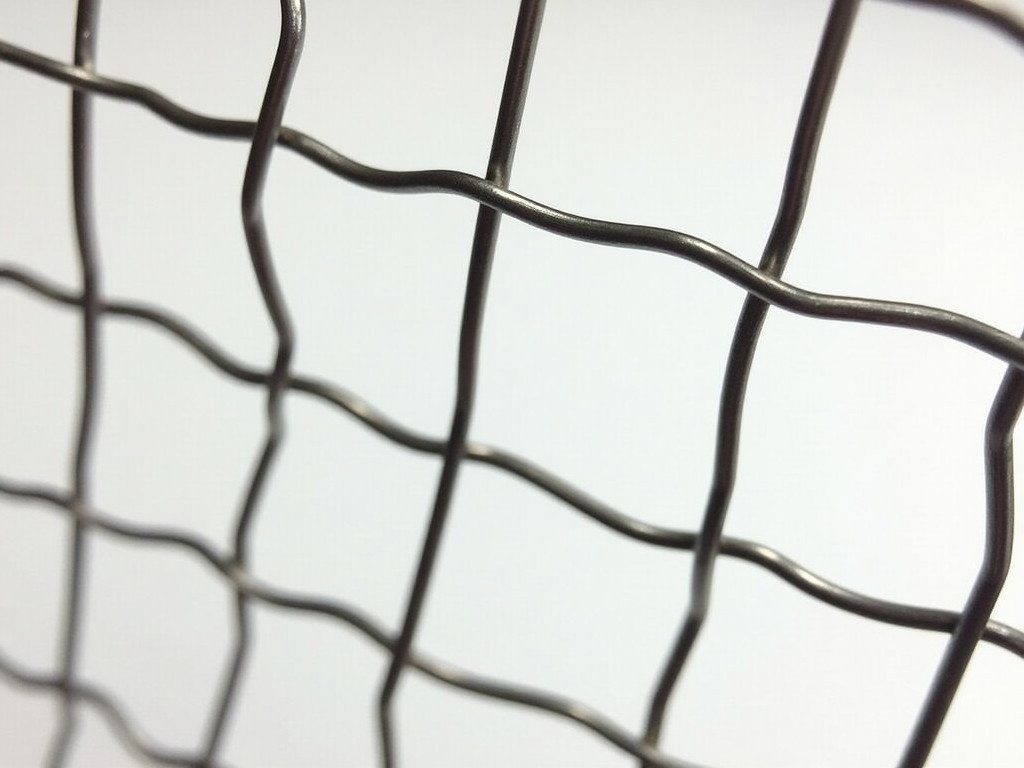
1.16 stainless steel wire, also known as 1.4301 or AISI 304 equivalent, is a standard austenitic grade widely used in industrial applications requiring corrosion resistance, formability, and weldability. This grade contains approximately 18% chromium and 8% nickel, providing balanced performance in ambient and mildly corrosive environments. The wire is produced through cold drawing processes to achieve precise dimensional tolerances and enhanced mechanical properties suitable for fastening, filtration, and structural components.
Material Composition and Mechanical Properties
The chemical composition of 1.16 stainless steel wire follows EN 10088-3 standards, with typical ranges: carbon ≤0.07%, silicon ≤1.00%, manganese ≤2.00%, phosphorus ≤0.045%, sulfur ≤0.030%, chromium 17.0–19.0%, nickel 8.0–10.5%. These elements contribute to a stable austenitic microstructure that resists sensitization during welding and maintains toughness at cryogenic temperatures. Mechanical properties vary with temper: annealed wire exhibits tensile strength of 500–700 MPa and elongation >40%, while full-hard drawn wire can reach 1200–1800 MPa tensile strength with reduced ductility.
| Property | Typical Value (Annealed) | Typical Value (Full Hard) |
|---|---|---|
| Tensile Strength (MPa) | 500–700 | 1200–1800 |
| Yield Strength (MPa) | 190–230 | 900–1400 |
| Elongation (% in 50mm) | >40 | <10 |
| Hardness (Rockwell B) | ≤90 | ≥40 HRC |
Diameter Tolerances and Surface Finish
Wire diameter is controlled through precision drawing dies and in-process monitoring, with standard tolerances ranging from ±0.01 mm for fine wires (<0.5 mm) to ±0.05 mm for larger diameters (>3.0 mm). Tighter tolerances are available upon request for applications requiring consistent coil winding or precise spring rates. Surface finishes include bright drawn (standard), matte (after acid pickling), or polished (via buffing), each affecting friction, coating adhesion, and visual appearance in end-use scenarios.
Common Industrial Applications
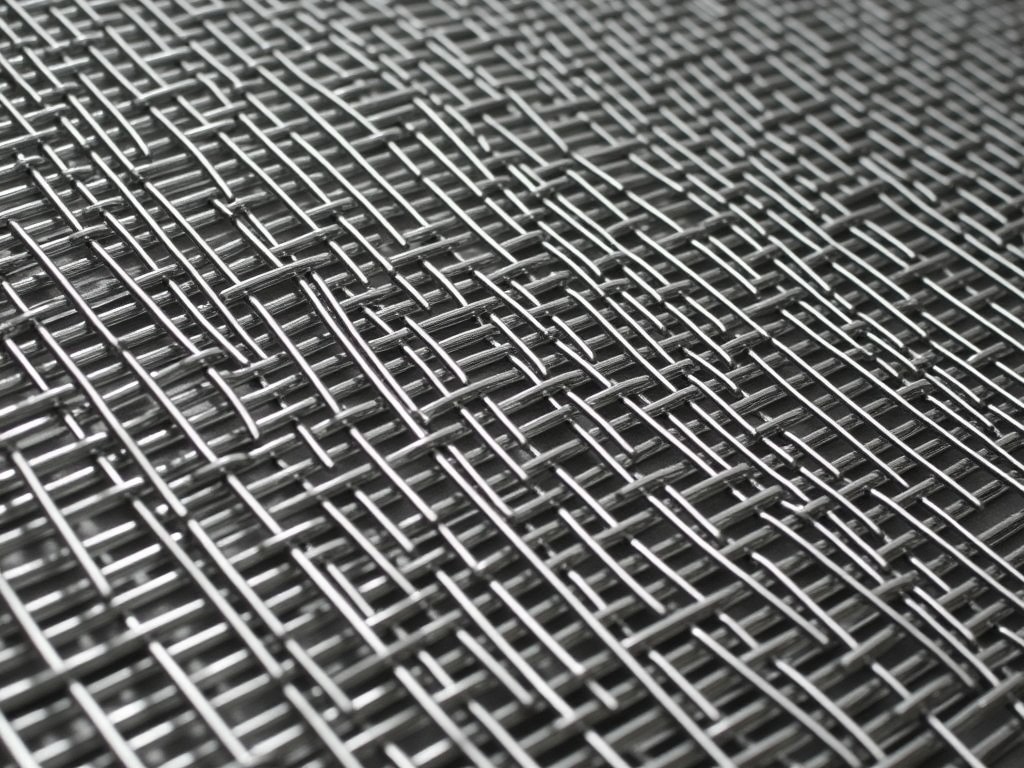
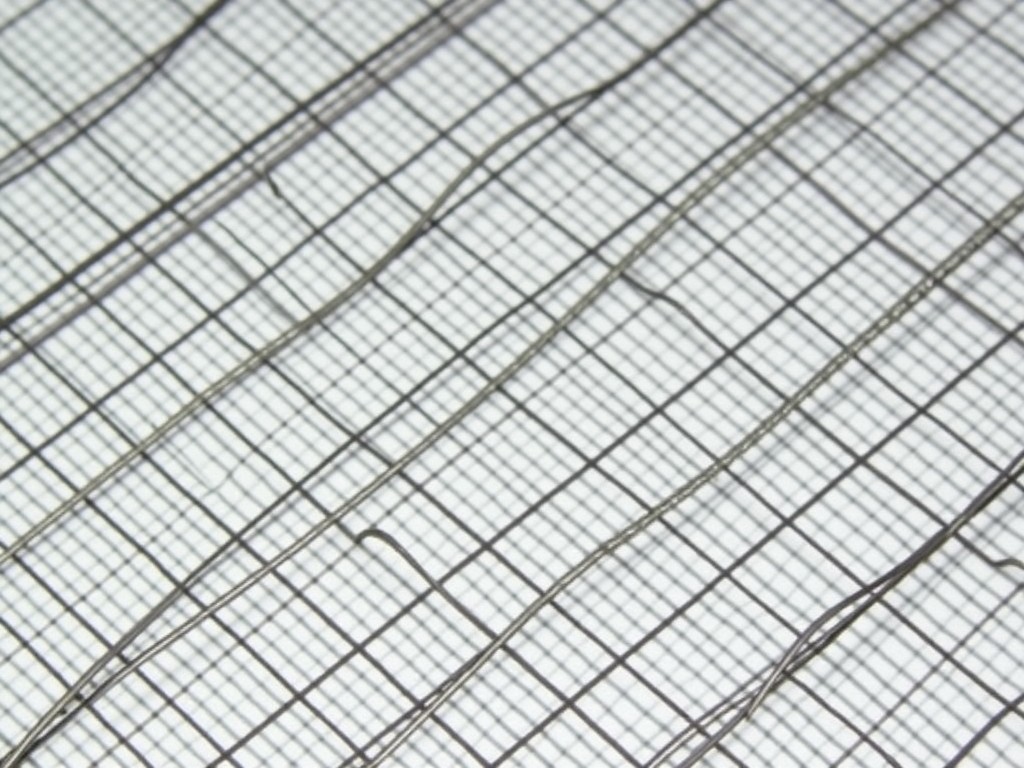
In filtration systems, 1.16 stainless steel wire is woven into mesh screens for liquid and gas separation, where its corrosion resistance ensures longevity in water treatment, food processing, and chemical plants. The wire is also formed into helical springs for valves, switches, and sensor mechanisms due to its consistent elastic modulus and fatigue resistance. In construction, it serves as tie wire for reinforcing bar assembly and as mesh substrate for plaster and concrete reinforcement, benefiting from its ability to withstand alkaline environments without rapid degradation.
- Filter media for hydraulic and pneumatic systems
- Spring elements in automotive sensors and switches
- Welding wire for TIG/MIG fabrication of stainless components
- Reinforcement in architectural concrete panels
- Hardware cloth for industrial screening and safety barriers
Customization Options
Diameter range spans from 0.10 mm to 12.00 mm, with intermediate sizes available to match specific tooling or design requirements. Temper options include annealed (soft), quarter-hard, half-hard, three-quarter-hard, and full-hard, allowing selection based on required strength versus formability. Spools, coils, and straight cut lengths are standard packaging formats, with coil weights typically ranging from 5 kg to 500 kg depending on diameter and tensile grade. Custom markings, such as laser etching or ink stamping for traceability, can be applied upon request.
Quality Control and Testing
Each batch undergoes chemical analysis via optical emission spectrometry to verify alloy compliance, followed by mechanical testing of tensile strength and elongation on drawn samples. Surface inspection is conducted under magnification to detect drawing defects, scratches, or embedded particles. Diameter is monitored using laser gauges at multiple points along the coil to ensure consistency. Packaging includes corrosion-inhibiting paper and plastic wrapping to prevent oxidation during transit and storage, particularly important for long-term inventory.
Environmental and Safety Considerations
1.16 stainless steel wire is fully recyclable and does not contain restricted substances under RoHS or REACH regulations. During processing, dust generation from cutting or grinding should be controlled with local exhaust ventilation, as fine metallic particles may pose inhalation risks. The material exhibits no off-gassing or leaching of harmful substances in potable water or food contact applications when properly passivated, making it suitable for use in sanitary equipment and potable water systems.
More Products
Send Inquiry
If you are interested in our products, leave your information here and we will be in touch shortly.