China Er630 Mig Stainless Steel Wire
ER630 MIG wire is a precipitation-hardening stainless steel filler metal designed for welding alloys such as 17-4PH and similar martensitic grades. It contains approximately 17% chromium, 4% nickel,
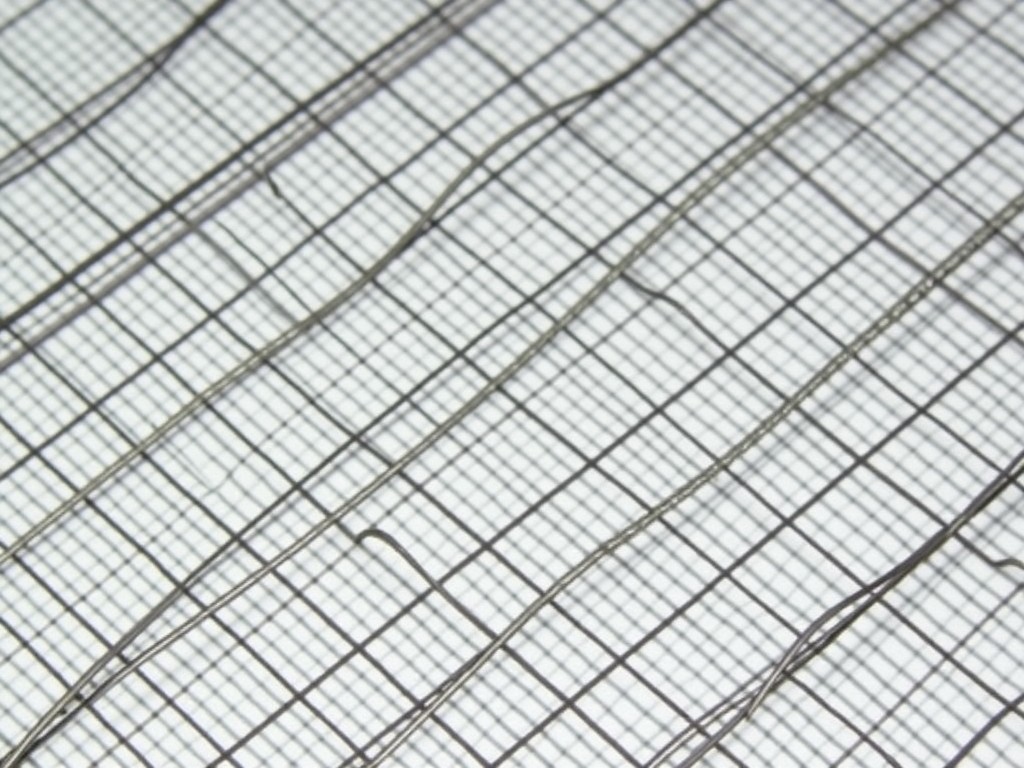
China ER630 MIG Stainless Steel Wire
ER630 MIG wire is a precipitation-hardening stainless steel filler metal designed for welding alloys such as 17-4PH and similar martensitic grades. It contains approximately 17% chromium, 4% nickel, 3% copper, and controlled additions of niobium and tantalum, which enable age hardening after welding to achieve high strength and corrosion resistance. This wire is specifically formulated for gas metal arc welding (GMAW) processes where matching the mechanical and chemical properties of the base metal is critical.
The ER630 classification indicates that the wire produces a weld deposit capable of being heat-treated to tensile strengths exceeding 1000 MPa, with good toughness and resistance to stress corrosion cracking in chloride-containing environments. Unlike austenitic stainless steel wires, ER630 requires post-weld heat treatment to develop its full mechanical properties, making it suitable for applications where strength and durability are prioritized over as-welded ductility.
Chemical Composition and Mechanical Properties
The nominal chemical composition of ER630 MIG wire is tightly controlled to ensure consistent precipitation hardening behavior. Typical values include chromium (16.0–18.0%), nickel (4.0–5.0%), copper (3.0–4.0%), niobium + tantalum (0.15–0.30%), and carbon limited to 0.05% maximum to avoid carbide precipitation during welding. Silicon and manganese are kept low (typically <0.75% and <1.0% respectively) to minimize spatter and ensure stable arc characteristics in MIG welding.
After solution annealing and aging treatment (typically 480–620°C for 1–4 hours), the weld metal achieves a tensile strength of 930–1100 MPa, yield strength of 720–900 MPa, and elongation of 12–18%. Impact toughness at -20°C typically exceeds 27 J in Charpy V-notch tests. These properties make ER630 suitable for structural components requiring high strength-to-weight ratios and resistance to corrosive environments.
| Element | Typical Range (wt%) | Function |
|---|---|---|
| Chromium (Cr) | 16.0–18.0 | Corrosion resistance, ferrite formation |
| Nickel (Ni) | 4.0–5.0 | Austenite stabilizer, toughness |
| Copper (Cu) | 3.0–4.0 | Precipitation hardening with Nb/Ta |
| Niobium + Tantalum (Nb+Ta) | 0.15–0.30 | Forms hardening precipitates (Nb,Cu) |
| Carbon (C) | ≤0.05 | Minimizes carbide precipitation |
| Silicon (Si) | ≤0.75 | Deoxidizer, arc stability |
| Manganese (Mn) | ≤1.0 | Deoxidizer, hot workability |
Welding Characteristics and Process Guidelines
ER630 MIG wire is typically welded using direct current electrode positive (DCEP) with argon-based shielding gases. Common gas mixtures include 98% argon/2% oxygen or 90% helium/7.5% argon/2.5% CO₂ to balance penetration, bead shape, and spatter control. The oxygen content helps stabilize the arc and improve wetting, while helium increases heat input for thicker sections. Pure argon is generally avoided due to poor bead shape and increased tendency for lack of fusion.
Recommended welding parameters vary with wire diameter: for 0.8 mm wire, use 18–22 V and 150–180 A; for 1.0 mm, 20–24 V and 180–220 A; for 1.2 mm, 22–26 V and 200–250 A. Travel speed should be adjusted to achieve a slight convex bead profile without undercut. Interpass temperature should be kept below 150°C to avoid premature aging or loss of corrosion resistance in the heat-affected zone.
Unlike some stainless steel wires, ER630 is susceptible to hot cracking if weld bead shape is too narrow or if restraint is high. Proper joint fit-up, moderate travel speed, and use of a slight weaving technique can help distribute heat and reduce stress concentration. Post-weld cleaning is essential to remove oxides and ensure effective passivation after heat treatment.
Applications in Industry
ER630 MIG wire is commonly used in the fabrication of components requiring high strength and moderate corrosion resistance, particularly in aerospace, chemical processing, and oil and gas industries. Typical applications include turbine shafts, pump impellers, valve stems, and structural fasteners made from 17-4PH or similar precipitation-hardening stainless steels. The ability to match the base metal’s response to heat treatment ensures uniform mechanical properties across the welded joint.
In the aerospace sector, ER630 is used for landing gear components and engine mounts where high strength-to-weight ratio and resistance to fatigue are critical. In chemical processing, it is employed in agitator shafts and mixer blades exposed to mild corrosives and cyclic loading. The wire is also suitable for marine hardware such as propeller shafts and rudder stocks, where resistance to stress corrosion cracking in chloride environments is essential after proper aging.
Unlike austenitic stainless steel welds, ER630 joints are not typically used in the as-welded condition for structural load-bearing applications. Instead, the weldment undergoes solution annealing followed by aging to achieve the desired strength level. This two-step heat treatment process must be carefully controlled to avoid overaging or insufficient precipitation, which could compromise performance.
Quality Control and Packaging
Manufacturers of ER630 MIG wire implement strict quality control measures to ensure consistency in chemical composition, diameter tolerance, and feedability. Each batch is spectroscopically analyzed to verify compliance with AWS A5.9 and ISO 14343 standards. Diameter tolerance is maintained within ±0.03 mm for smooth feeding through MIG torches, and wire surface is inspected for defects such as cracks, pits, or oil contamination that could cause porosity or unstable arcs.
Spools are typically wound with controlled tension to prevent tangling or deformation. Standard packaging includes 12.5 kg or 20 kg plastic spools sealed in moisture-barrier bags with desiccant, then placed in cardboard boxes. For export or long-term storage, vacuum-sealed packaging with nitrogen purging is available upon request to prevent oxidation during transit. Each spool is labeled with heat number, diameter, classification, and recommended welding parameters.
Traceability is maintained from raw material intake to final packaging, allowing full material history to be provided with certification. Mill test reports (MTRs) include chemical composition, mechanical properties of the weld deposit after standard heat treatment, and compliance statements. Third-party verification is available for projects requiring additional assurance.
More Products

Send Inquiry
If you are interested in our products, leave your information here and we will be in touch shortly.