Insulated Copper Wire Scrap Suppliers
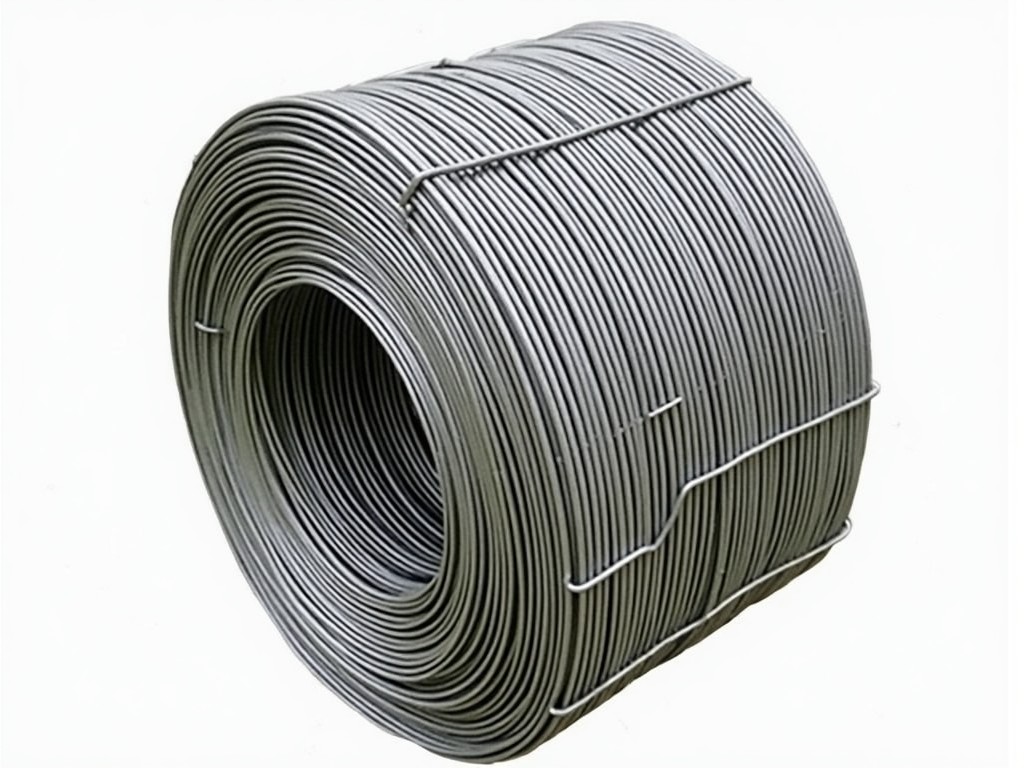
Insulated copper wire scrap refers to discarded or off-specification electrical conductors where the copper core remains encased in its original polymer insulation—typically PVC, XLPE, or rubber.
Insulated Copper Wire Scrap Suppliers
Insulated copper wire scrap refers to discarded or off-specification electrical conductors where the copper core remains encased in its original polymer insulation—typically PVC, XLPE, or rubber. This material arises from cable manufacturing trims, end-of-life power distribution systems, telecommunications decommissioning, and industrial equipment rewiring. Unlike bare copper scrap, the insulation layer necessitates specific processing considerations for recovery, affecting both valuation and handling logistics.
Suppliers in this niche manage material streams that vary significantly in copper-to-insulation ratio, contamination levels, and physical form. Key variables influencing scrap value include insulation type (affecting stripping efficiency and fume generation during thermal processing), copper purity (impacted by plating, alloying, or surface oxidation), and wire gauge distribution (determining liberation energy requirements). Understanding these parameters enables buyers to align scrap specifications with their recycling facility’s technical capabilities.
Material Composition and Classification
Insulated copper wire scrap is classified primarily by insulation polymer and copper conductor characteristics. PVC-insulated wire dominates general building cable scrap, offering moderate stripping ease but requiring dechlorination controls during smelting to prevent dioxin formation. XLPE-insulated scrap, common in medium-voltage power cables, presents higher thermal stability but demands greater energy input for insulation removal due to cross-linked structure. Rubber-insulated variants (e.g., EPR, neoprene) are prevalent in mining and marine applications, often exhibiting higher moisture retention and adhesive residues that complicate separation.
Copper content typically ranges from 55% to 78% by weight depending on wire gauge and insulation thickness. Fine-gauge communication wire (AWG 22–28) may yield as low as 45% copper due to relatively thick insulation, whereas heavy power cable (AWG 4/0 and above) can exceed 75% copper. Suppliers often categorize material by "copper recovery rate" estimates derived from standardized burnout or mechanical stripping tests, providing buyers with a basis for comparing lots across different sources.
Contaminants such as steel armoring, aluminum tape shielding, moisture, dirt, or residual lubricants directly impact processing efficiency and furnace charge consistency. Reputable suppliers document contamination levels through visual grading, magnet testing for ferrous content, and periodic chemical analysis. Buyers should verify whether quoted prices assume clean, dry material or include allowances for standard moisture content (typically 0.5–2.0%) as defined in ISRI guidelines.
Processing Implications for Recyclers
The choice between thermal and mechanical recovery methods depends on insulation type, wire size distribution, and facility permitting. Thermal decomposition (controlled pyrolysis) effectively handles mixed insulation streams but requires afterburners and scrubbers to manage HCl, PAHs, and particulates—particularly critical for PVC-rich fractions. Mechanical stripping via granulators and density separators excels with uniform, larger-gauge scrap but struggles with fine wires or mixed insulation types, often requiring pre-sorting to avoid cross-contamination of output streams.
Particle size liberation is a key determinant of downstream efficiency. Granulators must be configured to achieve copper particle sizes typically between 3–8 mm for optimal density separation; excessive fines increase entrainment losses in air tables, while oversized chunks reduce liberation efficiency. Suppliers who pre-sort scrap by gauge range or provide shredded, uniform feedstock help recyclers minimize reprocessing steps and improve yield predictability.
Furnace operators benefit from advance knowledge of insulation-derived slag formers. PVC contributes chlorine that can form corrosive salts in flue gas; XLPE yields hydrocarbon-rich pyrolysis oils requiring capture; rubber insulation may introduce sulfur compounds. Suppliers who maintain consistent insulation composition lots enable smelters to adjust flux ratios and slag chemistry proactively, reducing downtime and extending refractory life.
Supplier Evaluation Criteria
Technical due diligence begins with verifying the supplier’s material traceability system. Reliable sources maintain records linking scrap to origin (e.g., cable manufacturer scrap vs. demolition waste), processing history (e.g., pre-stripped, baled, or loose), and storage conditions. Look for suppliers who provide lot-specific documentation including gross weight, tare weight, moisture content estimates, and non-copper content analysis—ideally aligned with ISRI Code words such as "Druid" (for No. 2 copper wire) or "Barley" (for insulated wire varieties).
Physical inspection capabilities matter. Established suppliers often allow buyer audits of their facilities, demonstrating practices such as covered storage to prevent moisture ingress, magnetic separation to remove ferrous contaminants, and size classification via vibratory screens. Inquiries about sample protocols—representative grab samples vs. core bales, drying procedures prior to analysis, and third-party verification options—reveal operational maturity.
Logistics compatibility affects total cost. Insulated wire scrap is low-density; typical bulk density ranges from 150–300 kg/m³ depending on baling tightness and wire gauge. Suppliers using standardized bale dimensions (e.g., 700×500×300 mm) weighing 250–400 kg enable efficient containerization and reduce handling breaks. Ask about strapping materials (steel vs. polypropylene), weatherproofing (UV-stabilized covers), and whether fumigation or certification for international shipment (e.g., ISPM 15 for pallets) is included.
| Characteristic | Typical Range or Consideration | Relevance to Buyer |
|---|---|---|
| Copper Recovery Rate | 45%–78% (varies by gauge/insulation) | Directly impacts material value and furnace yield |
| Insulation Type | PVC, XLPE, Rubber (EPR, Neoprene), Nylon | Determines processing method, emissions, and energy use |
| Bulk Density (Loose) | 150–300 kg/m³ | Affects transportation cost and storage volume |
| Standard Bale Weight | 250–400 kg | Optimizes container loading and handling efficiency |
| Moisture Content (As-Received) | 0.5%–5.0% (higher if exposed) | Reduces effective copper content and increases slag volume |
Applications in Secondary Copper Production
Recycled copper from insulated wire scrap serves the same end markets as primary cathode—electrical conductivity applications where purity and consistency are paramount. The secondary copper produced meets standards such as ASTM B170 for electrolytic tough pitch (ETP) copper, suitable for busbars, transformer windings, and power cable manufacturing. Suppliers contributing consistent, low-contaminant scrap enable recyclers to maintain tight tolerances on oxygen content (<10 ppm) and electrical conductivity (≥101% IACS), critical for high-performance applications.
In fine-wire reclamation, insulated communications cable scrap (e.g., twisted pair, coaxial) is a significant source of high-purity copper for magnet wire and electronics feedstock. Because these wires often feature thin, uniform insulation and minimal alloying, they achieve high liberation efficiency in granulators, yielding copper fines suitable for direct remelting with minimal oxidation loss. Suppliers specializing in telecom scrap often provide material segregated by jacket type (e.g., PE vs. PVC) to accommodate different downstream refining paths.
The growing adoption of electric vehicles and renewable energy infrastructure increases demand for recycled copper in winding stators, busbars, and grounding systems. Insulated wire scrap from industrial motor rewinding or cable tray decommissioning feeds this stream, often featuring thicker insulation and occasional contaminants like varnish or impregnation resins. Suppliers who can verify absence of such additives—or provide quantified levels—help buyers assess compatibility with specific refining routes, particularly those employing shaft furnaces versus rotary kilns.
Quality Assurance and Testing Protocols
Objective assessment of insulated copper wire scrap relies on standardized sampling and analytical techniques. Representative samples are obtained via cone-and-quartering or riffle splitting of bulk lots, followed by drying to equilibrium moisture content (typically 50% RH, 25°C) to eliminate variable water weight. Copper content is determined through acid digestion and ICP-OES or titration, while insulation type is confirmed via FTIR or TGA-FTIR to detect polymer-specific absorption peaks.
Particle size distribution analysis, conducted via sieve shakers on granulated subsamples, predicts liberation efficiency in downstream processes. Suppliers who routinely provide this data—particularly d50 and span values—allow buyers to model separation yield and adjust grinder settings accordingly. Additionally, resistive testing of cleaned copper fractions offers a rapid proxy for metallurgical purity, correlating strongly with ICP-derived impurity levels for common contaminants like zinc, tin, and nickel.
Third-party certification enhances transaction transparency. Some suppliers participate in programs offering verified recycling content documentation, chain-of-custody tracking, or adherence to responsible recycling practices (e.g., R2, e-Stewards). While not universal, requesting access to audit reports, downstream mass balance records, or smelter acceptance certificates provides insight into a supplier’s commitment to material integrity beyond basic weight and appearance.
Supply Chain Considerations
Seasonal and regional factors influence availability and pricing. Construction-driven scrap peaks in Q2–Q3 in temperate climates, while telecom decommissioning may follow fiscal year cycles. Industrial rewiring scrap tends to be more continuous but subject to plant maintenance schedules. Suppliers with diversified sourcing—spanning utility contractors, cable manufacturers, and demolition recyclers—can better buffer against localized disruptions.
Price indexing mechanisms vary. Many suppliers reference benchmark indicators such as LME copper cash price less a negotiated discount, or domestic equivalents like COMEX or SHFE, adjusted for insulation type and estimated recovery rate. Transparent suppliers disclose their calculation basis, including whether deductions assume dry, contaminated, or processed material. Escalation clauses tied to actual assay results upon receipt protect both parties against significant deviations from quoted specifications.
Contractual terms should clarify liability for concealed hazards. While insulated wire scrap is generally non-hazardous, instances of PCB-contaminated cable (pre-1980s) or asbestos-containing insulation in legacy industrial wiring necessitate due diligence. Reputable suppliers either exclude known risky streams or provide warranties regarding absence of specific regulated substances, supported by historical process knowledge or selective testing.
For international transactions, clarify Incoterms® and documentation requirements. Suppliers experienced in export provide fumigated packing, certified weight certificates, and material safety data sheets (MSDS) addressing dust inhalation risks during handling. Clarify whether pricing includes standard export documentation or if additional fees apply for certificates of origin, inspection reports, or consular legalization.
More Products
Send Inquiry
If you are interested in our products, leave your information here and we will be in touch shortly.