Nickel Silver Wire Manufacturers
Nickel silver wire, also known as German silver wire, is a copper-based alloy containing nickel and zinc, valued for its corrosion resistance, aesthetic finish, and predictable mechanical behavior in
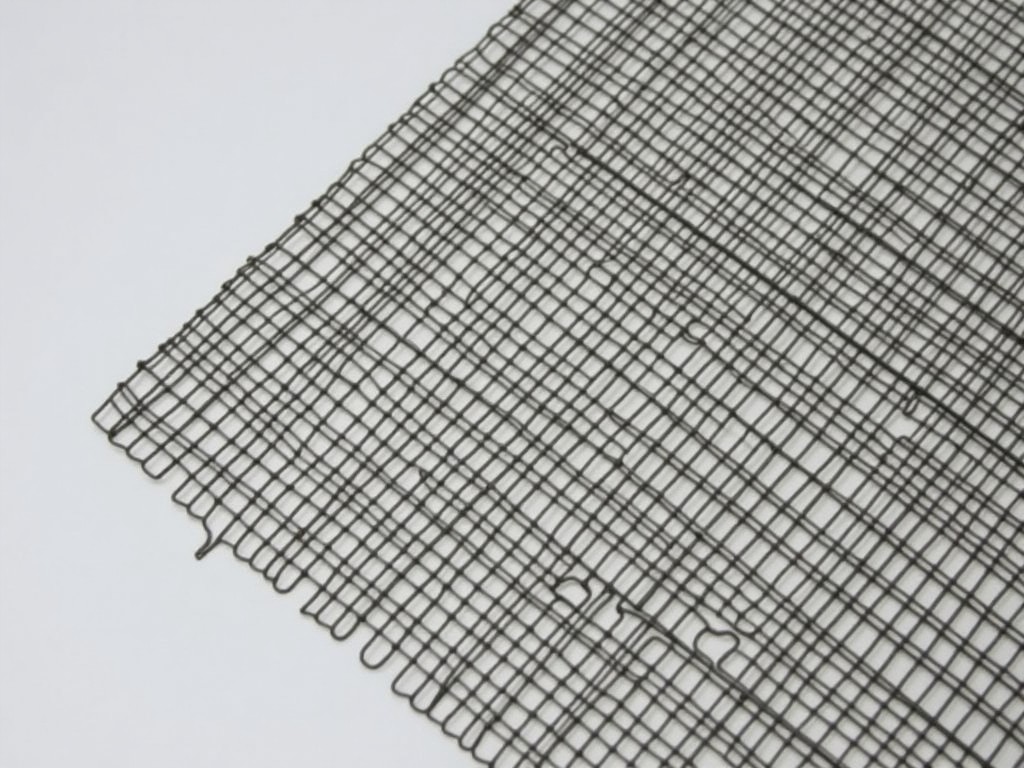
Nickel Silver Wire Manufacturers: Technical Specifications and Industrial Applications
Nickel silver wire, also known as German silver wire, is a copper-based alloy containing nickel and zinc, valued for its corrosion resistance, aesthetic finish, and predictable mechanical behavior in precision applications. This material is widely specified where electrical conductivity, solderability, and non-magnetic properties must be balanced with formability and long-term stability. Manufacturers produce nickel silver wire in a range of diameters and tempers to meet the demands of industries requiring reliable performance under cyclic loading or exposure to mild environments.
Material Composition and Standard Grades
The most common nickel silver alloys used for wire production fall within the ASTM B122 and EN 12163 specifications, typically designated as C75200 (65% Cu, 18% Ni, 17% Zn) and C77000 (55% Cu, 18% Ni, 27% Zn). These compositions provide a consistent balance between tensile strength, elongation, and electrical resistivity. The addition of nickel enhances resistance to tarnish and stress corrosion cracking, while zinc improves machinability and fluidity during drawing. Trace elements such as lead or iron are minimized to maintain surface quality and avoid embrittlement during cold working.
For applications requiring higher strength after forming, manufacturers offer nickel silver wire in tempers ranging from annealed (soft) to full hard, achieved through controlled cold drawing and optional stress-relief annealing. Electrical resistivity typically ranges from 13 to 20 µΩ·cm depending on nickel content, making it suitable for low-current signal transmission where magnetic interference must be avoided. Thermal conductivity remains moderate, approximately 20–30 W/m·K, sufficient for heat dissipation in connectors and terminals without requiring active cooling.
Mechanical Properties and Dimensional Tolerances
Tensile strength varies significantly with temper and diameter. Annealed nickel silver wire (C75200) typically exhibits tensile strengths between 350–450 MPa with elongations exceeding 25%, ideal for bending, forming, and weaving applications. Half-hard temper increases strength to 500–550 MPa with elongation around 12–18%, suitable for spring elements and fasteners requiring partial set. Full-hard drawn wire can reach 600–700 MPa tensile strength with elongation below 8%, used in high-flex-life components such as reed switch actuators and miniature contacts.
Diameter tolerances are tightly controlled during drawing, with standard capabilities ranging from ±0.002 mm for fine wire under 0.2 mm to ±0.005 mm for larger diameters up to 3.0 mm. Roundness and surface finish are monitored via in-line laser gauging and eddy current testing to detect subsurface defects. For applications requiring exceptional surface integrity—such as plating substrates or sliding contacts—manufacturers offer polished or bright-finished wire with Ra values below 0.2 µm, achievable through final annealing in controlled atmospheres and precision die polishing.
Industrial Applications and Functional Advantages
Nickel silver wire is extensively used in electrical and electronic components where non-magnetic behavior is critical, such as in reed switches, potentiometers, and sensor windings. Its resistance to sulfide-induced tarnish makes it preferable to brass in environments with trace sulfur compounds, extending service life in automotive connectors and industrial controls. The alloy’s solderability, enhanced by nickel’s barrier properties against copper migration, allows reliable tin-lead or lead-free solder joints without flux residue or dewetting.
In mechanical systems, nickel silver wire serves as a material for precision springs, diaphragms, and shunt elements in meters and gauges. Its combination of moderate yield strength and good elastic limit enables repeated flexing without permanent set, particularly in vibration-prone assemblies. The material’s attractive silver-white appearance, which does not require plating for aesthetic purposes, is leveraged in decorative hardware, musical instrument components (e.g., frets, valve stems), and architectural trim where long-term visual consistency is desired.
Manufacturers also supply nickel silver wire for specialized processes such as EDM wire erosion, where consistent electrical conductivity and tensile strength ensure clean cuts and minimal wire breakage. In medical device prototyping, its non-ferromagnetic nature and biocompatibility (when properly cleaned) allow use in external sensors and diagnostic tools. For textile machinery, nickel silver wire guides and tensioners benefit from low friction and resistance to grooving under continuous filament contact.
Customization and Manufacturing Considerations
Wire producers offer customization beyond standard grades and tempers, including dual-diameter profiles, flattened or shaped cross-sections (rectangular, square), and stranded configurations for flexibility. Surface treatments such as electroplating with tin, silver, or gold are available to enhance solderability or contact resistance in high-cycle applications. For customers requiring traceability, manufacturers provide mill test reports (MTRs) detailing chemical composition, mechanical test results, and heat lot numbers per EN 10204 3.1 standards.
Packaging options are designed to prevent deformation and contamination during transit. Fine wire is typically spool-wound on acid-free paper or plastic cores with protective wrapping to avoid oxidation. Larger diameters may be supplied in coiled form with tie wraps or on wooden reels. For automated feeding systems, manufacturers offer pay-off packages with consistent tension and low backlash, reducing downtime in high-speed assembly lines. All packaging is labeled with alloy type, temper, diameter, and length for inventory control.
Quality Control and Testing Protocols
Quality assurance begins with raw material verification using optical emission spectroscopy (OES) to confirm nickel, zinc, and copper levels within specification limits. During drawing, in-process monitoring includes diameter control via laser micrometers, tensile testing of samples at defined intervals, and surface inspection using automated vision systems to detect scratches, pits, or drawing defects. Final inspection includes elongation and hardness testing (Rockwell B or Vickers) on lot samples to verify temper consistency.
For applications requiring guaranteed performance, manufacturers can conduct additional tests such as resistivity measurement via four-point probe, salt spray corrosion testing (ASTM B117) for coated variants, and flex life cycling to simulate end-use conditions. All test data is retained and available upon request. Cleanliness levels are assessed for applications sensitive to particulate contamination, with ultrasonic cleaning and nitrogen-packaged options available for medical or aerospace-adjacent uses.
| Property | Typical Range (C75200) | Units |
|---|---|---|
| Tensile Strength (Annealed) | 350–450 | MPa |
| Elongation (Annealed) | 25–35 | % |
| Electrical Resistivity | 13–20 | µΩ·cm |
| Thermal Conductivity | 20–30 | W/m·K |
| Density | 8.7 | g/cm³ |
| Melting Point | 1040–1060 | °C |
Environmental and Safety Compliance
Nickel silver wire is compliant with RoHS and REACH regulations when produced without restricted substances such as lead, cadmium, or hexavalent chromium. Manufacturers maintain material safety data sheets (MSDS) detailing handling precautions, noting that while the solid alloy poses minimal risk, dust or fumes generated during machining or welding may require local exhaust ventilation. The alloy does not contain substances classified as carcinogenic, mutagenic, or toxic for reproduction (CMR) under EU standards when impurity levels are controlled.
Recyclability is a key attribute, as nickel silver scrap can be re-melted and reformed without significant property degradation, supporting circular manufacturing initiatives. Some producers offer take-back programs for post-consumer or manufacturing waste, particularly in regions with strict metal recovery directives. For customers seeking documentation, suppliers can provide material origin statements and recycled content percentages upon request, aiding in LEED or ISO 14001 compliance reporting.

More Products

Send Inquiry
If you are interested in our products, leave your information here and we will be in touch shortly.