Stainless Steel Safety Wire Factory
Stainless steel safety wire is a precision-engineered fastening solution designed to prevent loosening of critical threaded assemblies under vibration, thermal cycling, or dynamic loads. It is
Stainless Steel Safety Wire Factory
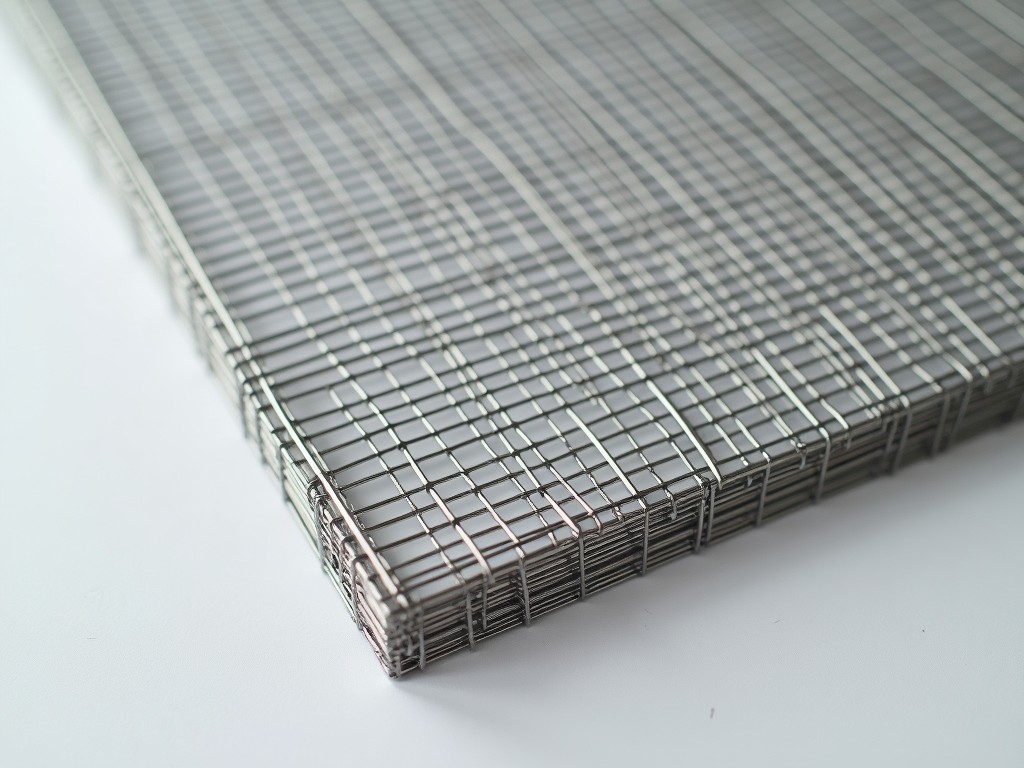
Stainless steel safety wire is a precision-engineered fastening solution designed to prevent loosening of critical threaded assemblies under vibration, thermal cycling, or dynamic loads. It is manufactured from corrosion-resistant austenitic stainless steel grades, formed into helical coils that maintain constant tension when installed. The wire’s function relies on elastic deformation: when twisted and secured, it generates a restoring force that counteracts rotational movement of nuts, bolts, or fasteners. This passive safety mechanism requires no power, monitoring, or maintenance, making it ideal for inaccessible or high-reliability applications. Unlike lock washers or thread-locking compounds, safety wire provides a visible, tamper-evident indication of proper installation.
Material Selection and Mechanical Properties
The most commonly used grades are AISI 302 and 304 stainless steel, chosen for their balance of tensile strength, ductility, and corrosion resistance in ambient to moderately elevated temperatures. AISI 302 offers a minimum tensile strength of 1860 MPa and elongation of 12–25%, allowing sufficient elastic recovery after twisting without permanent set. AISI 304 provides slightly lower strength (min 1720 MPa) but superior resistance to intergranular corrosion and oxidation up to 425°C, making it suitable for exhaust systems or chemical processing environments. For marine or chloride-exposed applications, AISI 316 is available upon request, offering enhanced pitting resistance due to molybdenum content. Wire diameters typically range from 0.5 mm to 1.5 mm, with tolerance controlled to ±0.02 mm to ensure consistent torque application during installation.
Manufacturing Process and Quality Control
Production begins with cold-drawn stainless steel wire, annealed to achieve uniform microstructure and predictable spring properties. The wire is then precision-formed into helical coils using computer-controlled coilers that maintain consistent pitch, inner diameter, and wire alignment. Each coil undergoes visual inspection for surface defects, followed by dimensional verification using laser micrometers to validate outer diameter, wire diameter, and coil count per inch. Residual stress relief is applied via low-temperature baking (200–250°C for 1–2 hours) to prevent stress relaxation during service. Final quality checks include tensile testing of random samples to confirm minimum breaking strength and elongation, ensuring the wire can withstand installation torque without fracture. All processes are documented for traceability, with material test reports available per lot.
Installation Method and Functional Principles
Safety wire is installed by threading it through holes in the fastener head or bolt, then twisting the ends together using safety wire pliers to create a double-strand loop. The wire is tensioned until it resists further rotation of the fastener in the loosening direction, typically achieving 60–80% of its yield strength. The helical shape allows the wire to elongate elastically under load, storing energy that pushes back against any attempt to unwind the assembly. Proper installation requires the wire to be pulled tight against the fastener head, with the twisted ends bent back to prevent snagging. The direction of twist must always oppose the loosening torque — for standard right-hand threads, this means clockwise twisting when viewed from the fastener head. Incorrect installation, such as insufficient tension or wrong twist direction, renders the wire ineffective and may create a false sense of security.
Typical Applications Across Industries
In aerospace, safety wire secures critical fasteners on engine mounts, flight control actuators, and landing gear assemblies where vibration-induced loosening could lead to catastrophic failure. The FAA and EASA mandate its use on specific components per AC 43.13-1B and CS-25. In power generation, it secures turbine casing bolts, valve stems, and generator coupling fasteners exposed to cyclic thermal stresses and high-frequency vibration. Industrial machinery applications include securing adjustment screws on CNC spindles, pump shaft seals, and conveyor drive couplings where maintenance access is limited. In oil and gas, it is used on wellhead Christmas tree valves, choke actuators, and separator pressure relief devices where failure could result in environmental release or hydrocarbon leak. The wire’s visibility allows maintenance crews to quickly verify integrity during routine inspections without disassembly.
Comparison with Alternative Fastening Solutions
Compared to nylon-insert lock nuts, safety wire does not degrade under heat, UV exposure, or chemical contact, maintaining performance in environments exceeding 150°C where polymers soften or crack. Unlike thread-locking adhesives (e.g., anaerobic compounds), it allows for disassembly and reusability without solvent cleanup or curing time delays — critical in maintenance operations where downtime must be minimized. While spring washers provide preload, they can suffer from settling or creep over time; safety wire maintains constant restraining force as long as it remains intact and properly installed. Its primary limitation is the requirement for drilled holes in fastener heads or bolts, which may not be feasible on all designs. However, where accessibility permits, it offers a superior combination of reliability, inspectability, and lifecycle cost.
Customization Options and Technical Support
Wire diameter, material grade, coil pitch, and length can be customized to match specific fastener hole patterns, torque requirements, or environmental constraints. For example, finer pitches (e.g., 8 coils per inch) increase restoring force for smaller diameters, while coarser pitches (4–5 coils per inch) reduce installation effort for larger fasteners. Lengths are typically supplied in 100-ft or 500-ft spools, but cut-to-length pieces or pre-formed kits are available for high-volume assembly lines. Surface finishes include passivated (standard) or electropolished for enhanced corrosion resistance in medical or food-processing environments. Technical support includes installation torque guidelines, hole-sizing recommendations, and failure mode analysis based on industry standards such as NASM33540 or SAE AS4375. Samples and engineering consultation are available upon request to validate suitability before production commitment.
Quality Assurance and Compliance
All safety wire is manufactured under a quality management system aligned with ISO 9001:2015, with process controls covering raw material traceability, in-process dimensional checks, and final product testing. Certificates of Conformance are provided with each shipment, detailing material grade, lot number, tensile test results, and visual inspection status. While safety wire itself is not subject to direct certification like pressure vessels or electrical components, it is commonly specified in compliance with AS9100, ISO 13485, or API Q1 depending on the end-use industry. The factory maintains records of material test reports (MTRs) from wire suppliers and conducts periodic third-party audits to verify process consistency. Non-conforming material is quarantined and traced to prevent use in critical applications.
Packaging, Storage, and Handling
Safety wire is packaged in anti-tangle spools made of recyclable polypropylene, with inner liners to prevent moisture ingress and surface oxidation. Spools are labeled with material grade, diameter, length, lot number, and QR code linking to the material test report. For long-term storage, it is recommended to keep the wire in a dry, temperature-stable environment (<30°C, <60% RH) to avoid surface contamination or chloride-induced pitting, especially for 304/316 grades. Handling requires clean gloves to prevent transfer of oils or particulates that could initiate corrosion. Spools are designed to feed smoothly into automated wire-twisting tools or manual pliers without kinking or tangling. Export shipments are sealed in moisture-barrier bags with desiccant packs and packed in corrugated cartons with edge protection to withstand transit vibration and handling.
Environmental and Lifecycle Considerations
Stainless steel safety wire is fully recyclable at end-of-life, with recovery rates exceeding 90% in industrial scrap streams. Unlike polymeric alternatives, it does not release microplastics or volatile organic compounds during use or disposal. The manufacturing process emphasizes energy efficiency, with wire drawing and coiling optimized to minimize cold work waste and scrap. Passivation uses citric acid-based baths where possible, reducing reliance on nitric acid and associated emissions. The long service life — often exceeding 20 years in protected environments — reduces replacement frequency and associated resource consumption. For applications requiring frequent disassembly, reusability of the wire (if not deformed or nicked) further enhances sustainability. Safety data sheets are available upon request, confirming absence of hazardous substances under REACH and RoHS directives.
| Parameter | Typical Value (AISI 302) | Typical Value (AISI 304) | Typical Value (AISI 316) |
|---|---|---|---|
| Minimum Tensile Strength | 1860 MPa | 1720 MPa | 1600 MPa |
| Typical Elongation at Break | 12–25% | 10–20% | 8–18% |
| Maximum Service Temperature | 425°C | 425°C | 425°C |
| Corrosion Resistance (Chloride) | Moderate | Good | Excellent |
| Wire Diameter Range | 0.5–1.5 mm | 0.5–1.5 mm | 0.5–1.5 mm |
For engineers and procurement teams responsible for critical fastening integrity, selecting the correct safety wire specification is a risk-mitigation decision grounded in material science and application engineering. Our factory provides technical documentation, material traceability, and application guidance to support informed selection — not just product supply. We invite you to share your fastener size, material, environmental exposure, and installation constraints to receive a tailored recommendation.
Request Technical Consultation or Quote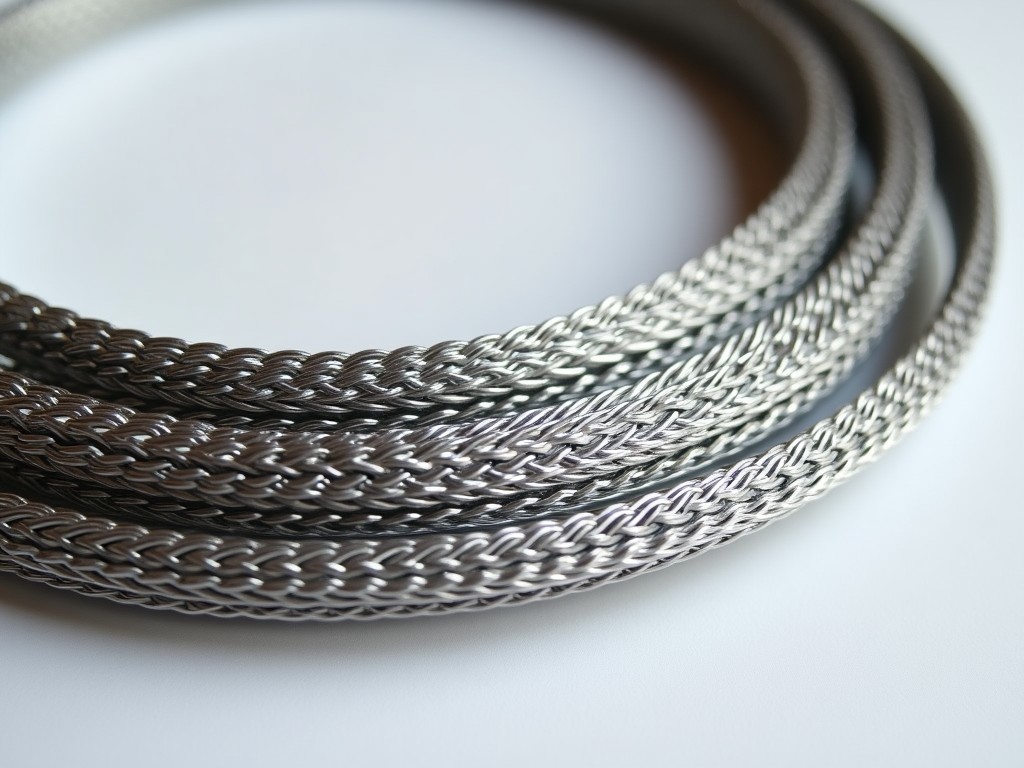
More Products

Send Inquiry
If you are interested in our products, leave your information here and we will be in touch shortly.